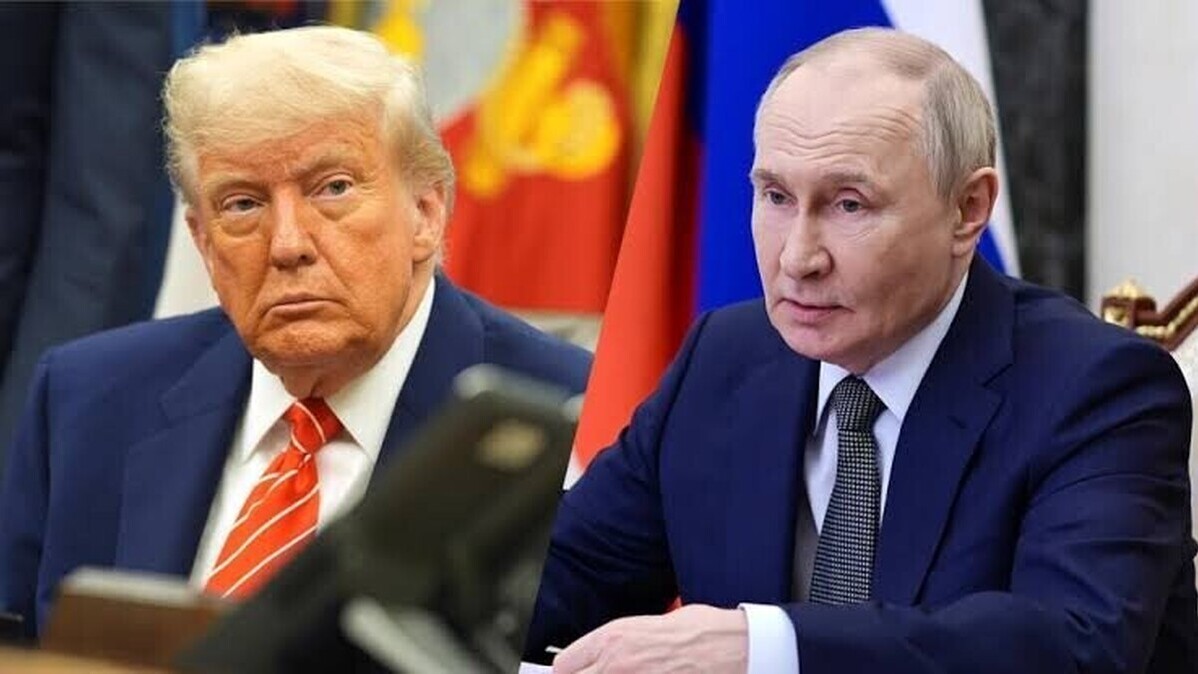
American President Donald Trump announced on Friday that he had reached an agreement with his Russian counterpart Vladimir Putin regarding the delivery of several million tons of diesel, as fuel prices reach record levels in the United States.
It was via his social network Truth Social that Donald Trump made the news public, claiming to have held a “highly successful” discussion with Vladimir Putin. Under this agreement, Russia commits to immediately deliver more than 300,000 tons of diesel to the American and global markets, followed by an additional 500,000 tons in November, then one million tons “immediately after.” The American president specified that an additional volume of three million tons would be shipped “in a short time.”
Kirill Dmitriev, a Kremlin envoy, praised the initiative shortly after on the X network, stating that “Russian-American cooperation on diesel and energy will benefit the entire world.”
The announcement comes amid high tension in global energy markets. The war waged by the United States and Israel against Iran, triggered this year, has caused a 70% surge in diesel prices since the start of the conflict. The average diesel gallon now stands at $6.27, or about $1.66 per liter, according to the American Automobile Association (AAA). While this figure marks a ten-cent decrease from the previous week, it represents a staggering increase of nearly six dollars compared to the same time a month ago.
Diesel holds a central place in the American economy: it powers freight trucks, agricultural machinery, and home heating systems. Its rise directly impacts inflation and concerns the White House just weeks before the November 3 legislative elections, which will determine control of Congress.
Trump had already attempted to curb price increases through two recent measures: pressure on G7 countries to release 100 million barrels from their strategic reserves, and expanding access to tax-exempt red diesel, normally reserved for agricultural equipment. These initiatives have not been sufficient to reverse the trend.
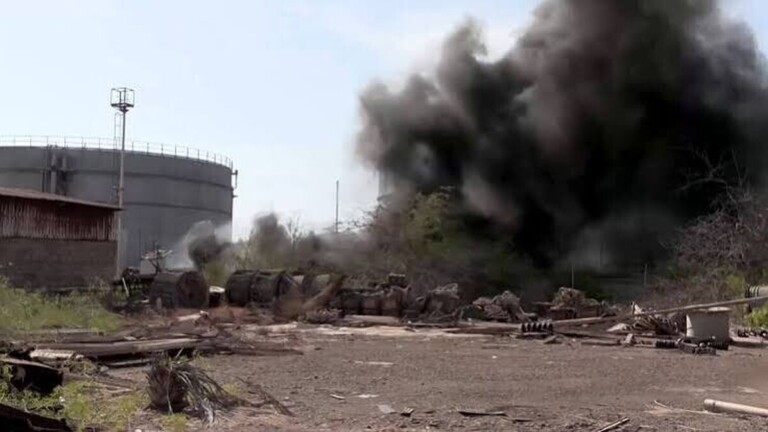
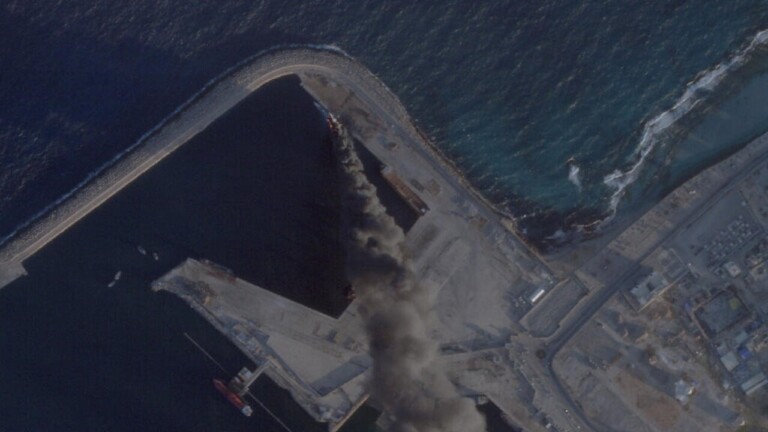
The situation is also complicated by the conflict in Ukraine. Kiev claims that its airstrikes have put more than half of Russia’s refining capacity out of service, making Moscow’s ability to fulfill the announced volumes even more uncertain. The two wars, in Iran and Ukraine, have caused an unprecedented global fuel shortage in decades.