

The U.S. Treasury Department announced a new wave of punitive measures against shell companies and Iranian exchange offices as part of an operation aimed at choking off Tehran’s parallel financial circuits. These sanctions come as Donald Trump does not rule out military strikes if no agreement is reached by early 2027.
More than twenty exchange houses, shell companies, and Iranian officials were sanctioned by Washington on Monday as part of what U.S. authorities call « Operation Economic Outcast. » The stated goal is to cut off the last financial arteries allowing Iran access to foreign currencies despite an already extensive sanctions regime.
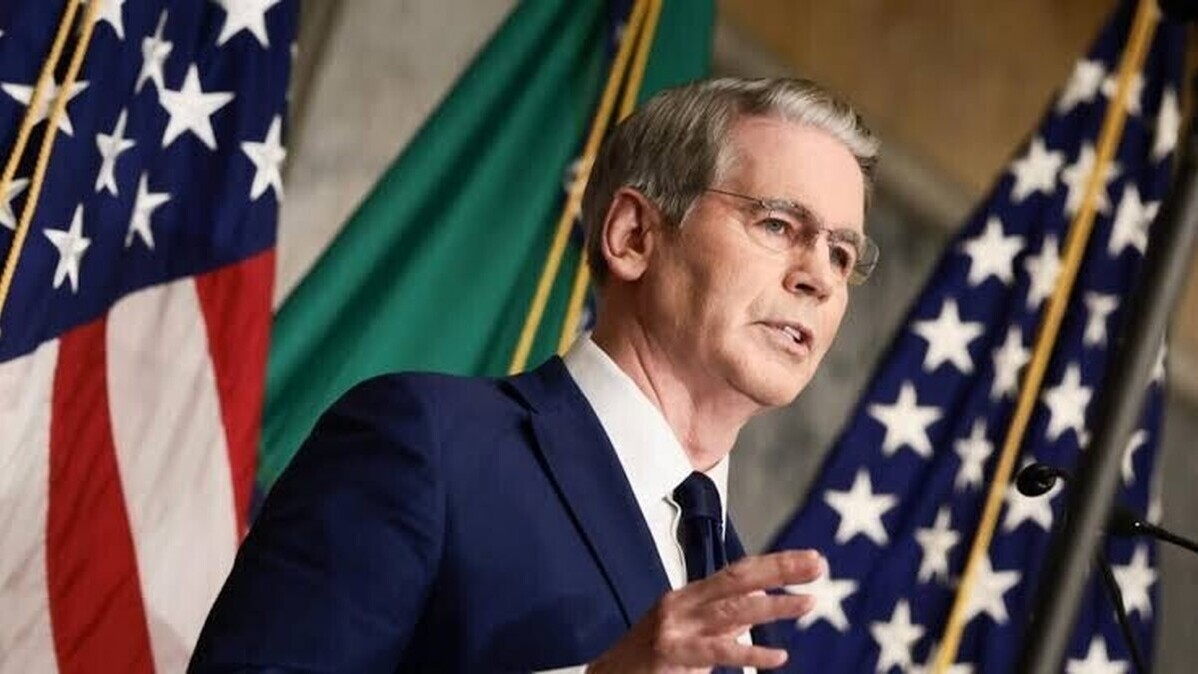
Treasury Secretary Scott Bessent described this parallel banking system as the « last financial lifeline of a failing regime, » adding that his administration intends to « continue dismantling these illicit networks until the serpent’s head is buried. » According to Washington, these entities enable Iran to channel billions of dollars through the international financial system under the control of the Central Bank of Iran.
Among the targeted entities is the company « Rahbar Bazargani Nesim Baharan Qeshm Company, » accused of facilitating transactions on behalf of clients of Sarmayeh Bank, including several major Iranian petrochemical groups. The exchange companies « Mina Fashki and Partners » and « Mellat Exchange Company, » as well as some of their executives and employees, were also designated.
The U.S. Treasury asserts that its economic pressure campaign has already produced tangible effects: the Iranian rial has reportedly reached historically low levels, and inflation is now approaching 90%. These figures, presented by Washington earlier this month, illustrate the extent of the economic tensions weighing on the Iranian population.
Diplomatically, the situation remains deadlocked. Iranian Foreign Minister Abbas Araghchi indicated that Tehran remains open to a negotiated solution to end nine months of conflict with the United States, a conflict that has destabilized the Middle East, disrupted maritime routes, and contributed to rising global energy prices. Donald Trump, for his part, acknowledged that Iran seeks an agreement while deeming the proposed conditions unacceptable. He reportedly also indicated being « inclined to order military strikes against Iran after the New Year » if no deal is reached by then.




Respond to the article
Be the first to comment on this article.