

The U.S. State Department has announced a reward of up to $20 million for any useful information on Iran’s nuclear program, amid open conflict between the two countries and discreet diplomatic negotiations.
The U.S. State Department’s Rewards for Justice program has put forward a $20 million bounty for anyone providing actionable intelligence on Iran’s nuclear program. The reward targets information regarding « facilities, equipment, and associated personnel, » and includes an offer of relocation for the informant(s).
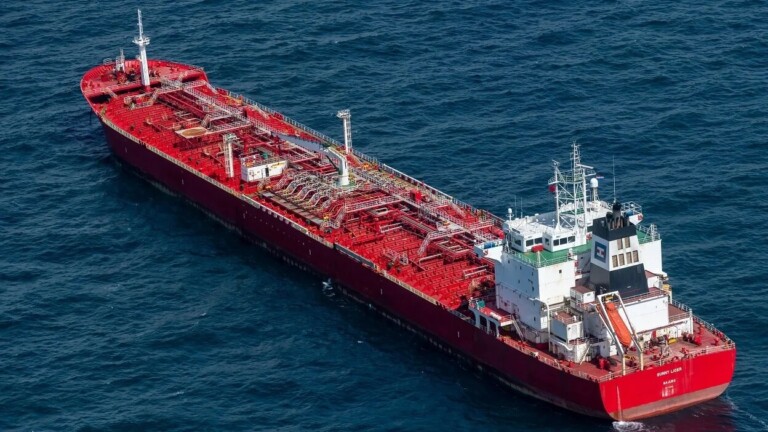
This announcement comes as the United States maintains intense military and economic pressure on Tehran. The U.S. Central Command for the Middle East (Centcom) also announced the creation of a new unit called Task Force Iron Gate, based in Tampa, Florida, whose mission will be to restrict Iranian arms transfers and illicit financial flows. According to Centcom, the naval blockade of Iranian ports has already prevented the export of more than $25 billion in crude oil.
Washington justifies this information offensive by pointing to Tehran’s failures to meet its obligations to the International Atomic Energy Agency (IAEA). The State Department emphasizes that Iran has not complied with its safeguards commitments, which led the UN agency to lose all « continuity of knowledge » regarding the production and stockpiles of Iranian centrifuges. These devices are used to enrich uranium: at moderate levels, it can fuel civilian reactors; enriched to about 90% purity or higher, it becomes usable for manufacturing a nuclear weapon.
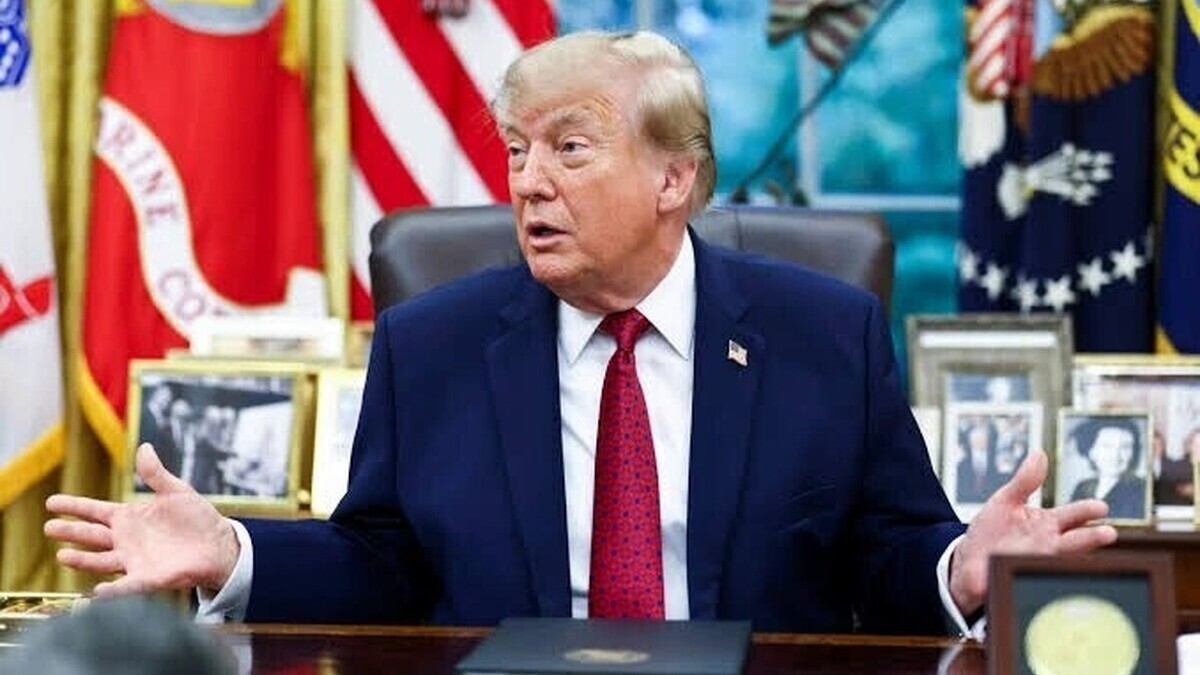
Iran denies any military ambition and maintains that its program is exclusively peaceful. However, Donald Trump had asserted, following U.S. and Israeli strikes, that Iran’s nuclear facilities had been « completely and totally destroyed. » The U.S. president also mentioned the possibility of striking the underground site known as « Pickaxe Mountain, » linked to the nuclear program, assuring that the operation could be carried out « in one hour. »
Despite this offensive rhetoric, contradictory signals come from Washington. Trump and his vice president JD Vance both acknowledged that popular opposition to war with Iran weighed heavily on Republican losses in the midterm elections. The president stated on Friday that Tehran very much wants to reach an agreement, adding that discussions are underway. Qatar, acting as a mediator, confirmed that both parties are reviewing proposals for a settlement.
A preliminary agreement had already been reached in June to end the conflict and reopen the Strait of Hormuz, but it quickly collapsed after renewed Iranian attacks on merchant ships and the reinstatement of the U.S. blockade. Iranian negotiators have since reportedly submitted a proposal providing for the reopening of the strait within two days, provided Washington meets seven preconditions.







Respond to the article
Be the first to comment on this article.