

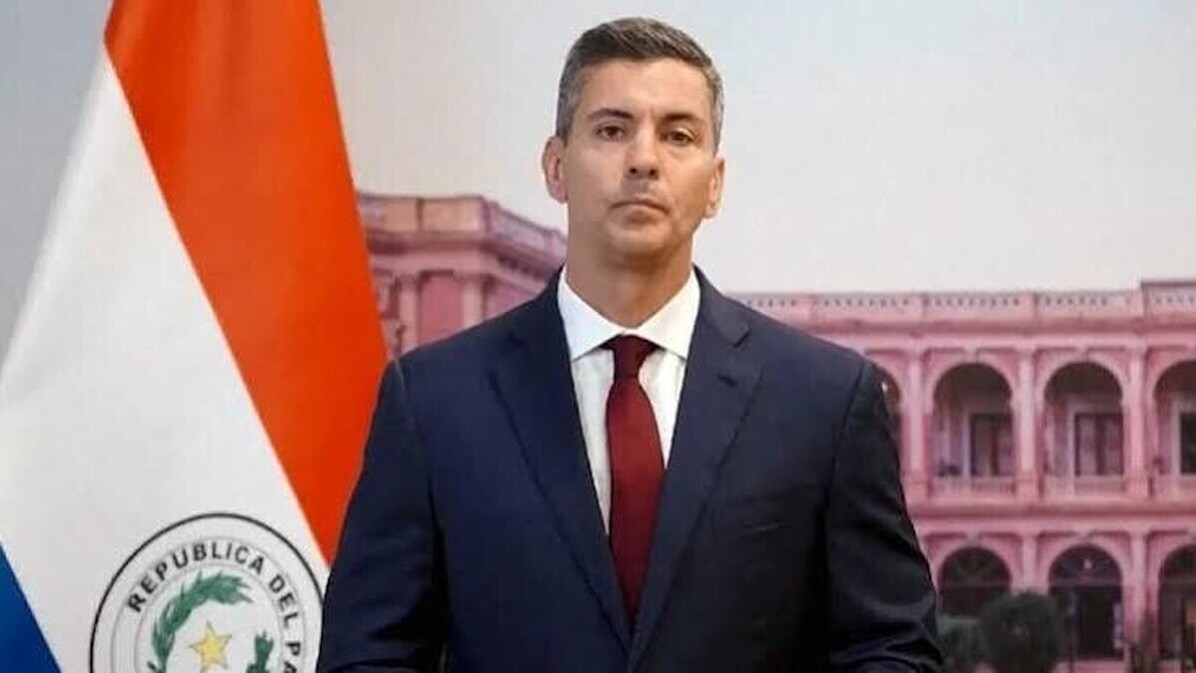
Paraguay is experiencing a major political upheaval following the impeachment of its president, Santiago Peña, who was ousted by a banking scandal that plunged the country into a financial and social crisis. On Friday, November 6, the Paraguayan Senate voted to remove the head of state, who had been in power since August 2023, following impeachment proceedings initiated for alleged misconduct in the performance of his duties. The 44 senators present approved his removal, immediately paving the way for his replacement by Vice President Pedro Alliana. Aged 52 and a member of the ruling conservative Colorado Party , Alliana was sworn in before Congress that evening. He will serve as president until August 2028, the scheduled end of Santiago Peña's initial term.
This crisis stems from the collapse of Ueno Bank, a digital bank that had become a major player in the Paraguayan financial system in just a few years. On Tuesday, November 3, the Central Bank of Paraguay placed the institution under administration due to serious solvency problems and alleged irregularities in its management. This intervention resulted in the freezing of accounts belonging to nearly three million customers, including individuals, businesses, and retirees. The situation quickly sparked protests in several cities, notably Asunción, where thousands of people demanded the return of their savings and sanctions against those responsible. Santiago Peña found himself directly implicated due to his past financial ties with the group that owned the bank and the investment of public funds in the institution during his presidency.
Santiago Peña placed under house arrest; his successor promises repayments.
Minutes after his impeachment, Santiago Peña was placed under house arrest as part of the judicial investigations into the banking scandal. Prosecutors are examining possible allegations of breach of trust, influence peddling, and embezzlement. The former president, who denies the accusations against him, submitted his resignation on Thursday in the hope of ending the political crisis. However, Parliament rejected this solution, preferring to continue the impeachment proceedings. This decision also has significant legal consequences, as a resignation could have allowed him to benefit from the status of senator for life and the associated parliamentary protections. Santiago Peña's downfall comes after he lost the support of a portion of his own party, notably former president Horacio Cartes, an influential figure in the Colorado Party.
Now at the helm of the country, Pedro Alliana must address the financial emergency while restoring confidence in institutions. Upon taking office, he promised that depositors affected by the Ueno Bank collapse would be fully compensated. Monetary authorities have already begun the first reimbursements, prioritizing certain small depositors, while the guarantee fund is expected to cover the entirety of the assets of a large majority of customers. The new president's task is nonetheless delicate, especially since he himself has been implicated in the controversies surrounding the handling of the banking crisis, without any impeachment proceedings against him having been approved. Beyond the immediate difficulties, this presidential transition raises questions about the relationships between political leaders, financial institutions, and regulatory authorities. For Paraguay, the challenge now is to stabilize its banking system, protect household savings, and restore the credibility of the state after a crisis that brought down its president in a matter of days.






Respond to the article
Be the first to comment on this article.