

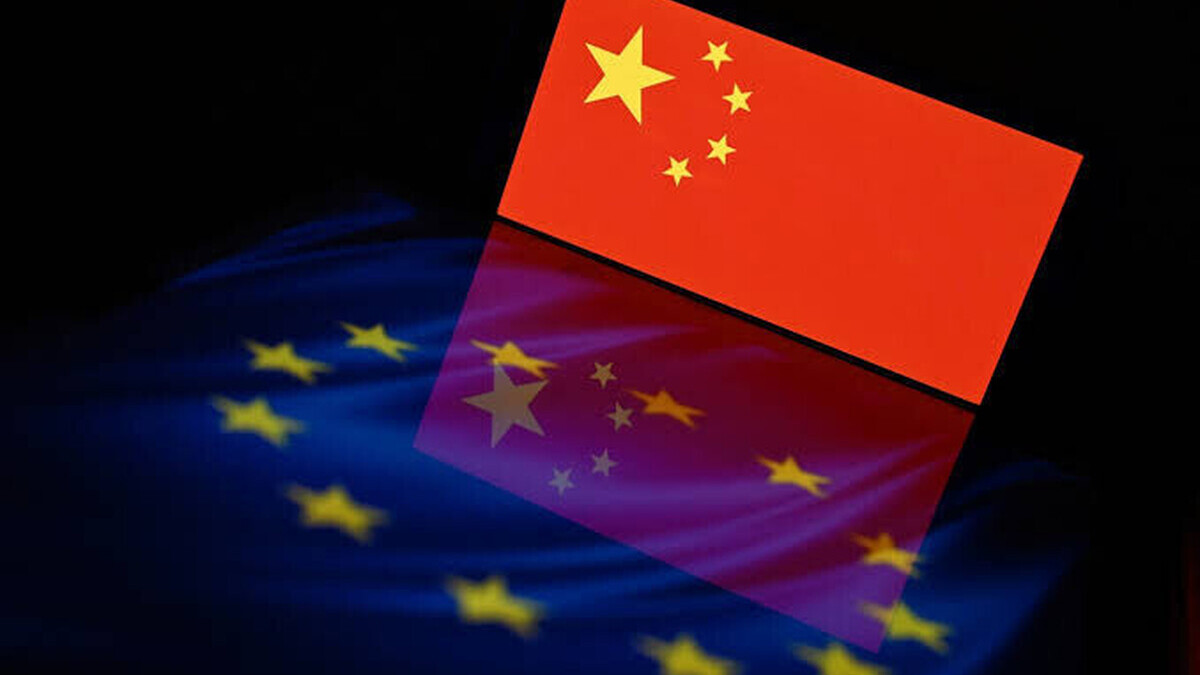
Trade tensions between China and the European Union have taken a new turn. On Friday, November 6, Beijing announced the opening of two anti-dumping investigations targeting several industrial products imported from the European market. The first concerns para-aramid yarns, particularly strong synthetic fibers used in the automotive industry, fiber optic cables, and ballistic protection equipment. The second focuses on ethylidene norbornene, a chemical compound used in the manufacture of synthetic rubbers for the automotive and construction industries. This latter procedure also covers Japanese imports. Chinese authorities suspect certain foreign producers of selling their goods at artificially low prices, to the detriment of local businesses.
These investigations were launched at the request of Chinese producers who allege unfair competition. According to information presented by the Chinese Ministry of Commerce, prices for para-aramid yarns imported from the European Union reportedly fell by more than 50% between 2023 and the first half of 2026, while volumes remained high. Regarding ethylidene norbornene, imports from the affected territories reportedly increased by 27,35% between 2023 and 2025, before rising again by 56% in the first half of 2026 compared to the same period of the previous year. Beijing believes these trends justify examining potential dumping practices. Both procedures are scheduled to conclude in November 2027, with a possible six-month extension. They could lead to the imposition of additional tariffs if the allegations are substantiated.
A new escalation despite discussions between Brussels and Beijing
This trade offensive comes less than a month after discussions between Chinese and European officials aimed at easing their economic differences. The two partners had expressed their desire to stabilize their relations, which had been strained by a proliferation of investigations and trade defense measures. Brussels regularly accuses Beijing of massively subsidizing certain domestic industries, creating unfair competition for European companies. China disputes these accusations and, for its part, denounces the restrictions imposed on its exports. Since the beginning of 2026, the European Union has initiated sixteen trade defense procedures concerning Chinese products, nine of which are in the chemical sector. This increase in disputes reflects the gradual deterioration of economic relations between the two powers.
For European manufacturers, these new investigations represent an additional risk in a Chinese market already characterized by intense competition and persistent geopolitical tensions. The sectors in question occupy a strategic position in several production chains, notably those of the automotive, telecommunications, and industrial materials industries. The potential imposition of tariffs could increase the cost of European exports and alter the business strategies of the companies involved. However, the opening of an investigation does not necessarily mean that illegal practices have been proven. The targeted producers will be able to present their arguments before any final decision is made. Beyond these two cases, this new confrontation illustrates the growing difficulties faced by Beijing and Brussels in reconciling their industrial ambitions with maintaining open trade. Diplomatic negotiations are ongoing, but anti-dumping procedures are gradually becoming one of the main instruments of their economic rivalry.








Respond to the article
Be the first to comment on this article.