

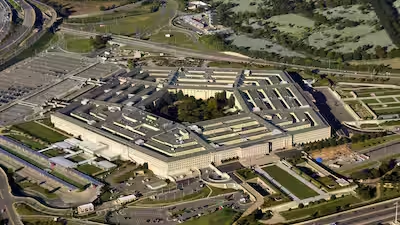
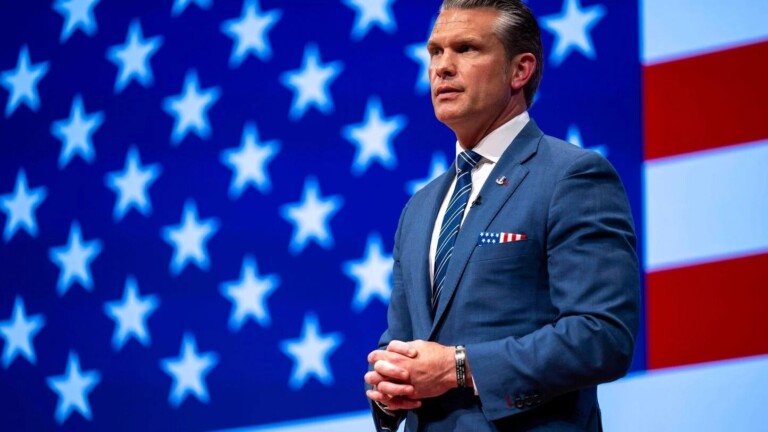
U.S. Secretary of Defense Pete Hegseth is said to have imposed new restrictions on certain military cooperation activities between the United States and Canada. According to press reports, a confidential Pentagon directive aims to reassess American commitments with Ottawa. This initiative comes amid diplomatic and trade tensions between two historic allies.
According to information reported by the American press, Pete Hegseth circulated a directive intended to limit certain forms of military cooperation with Canada. The exact content of the document has not been made public, but the measure would aim to ensure that bilateral activities directly align with U.S. defense priorities. An official familiar with the matter believes this decision could be perceived as a particularly hostile gesture by Canadian authorities.
The Pentagon has nevertheless assured that the main mechanisms of joint defense will be preserved. Spokesperson Sean Parnell specifically stated that the restrictions should not affect cooperation within NATO or NORAD, the command responsible for North American aerospace defense. The sharing of military intelligence would also not be directly affected by this directive.
Relations Already Weakened by Trade Tensions
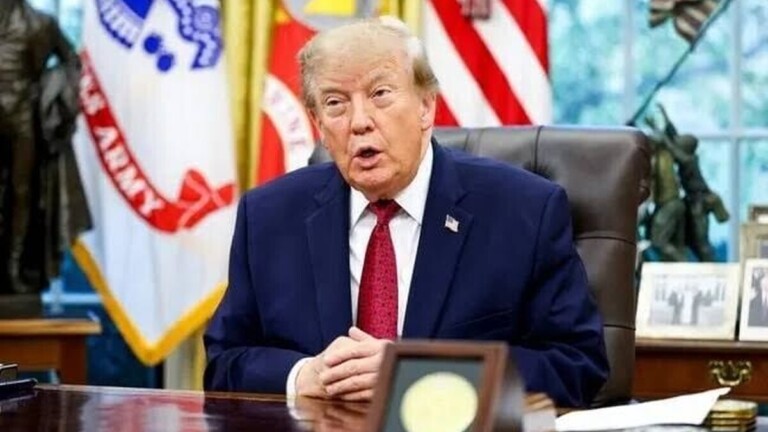
This decision comes as relations between Washington and Ottawa are marked by several economic disputes. U.S. tariffs on certain Canadian products, notably steel and aluminum, have led to retaliatory measures. Repeated statements by Donald Trump regarding a possible annexation of Canada have also provoked strong political reactions. Prime Minister Mark Carney’s government seeks to defend Canadian sovereignty while preserving its relations with its main trading partner.
The two countries have maintained close military cooperation for several decades, notably in air surveillance, continental defense, and international operations. They also participate in the « Five Eyes » intelligence alliance alongside the United Kingdom, Australia, and New Zealand. If the American restrictions were applied long-term, they could complicate certain exchanges between military administrations. Their real impact will nevertheless depend on the precise content of the directive and the discussions engaged between the two governments.







Respond to the article
Be the first to comment on this article.