

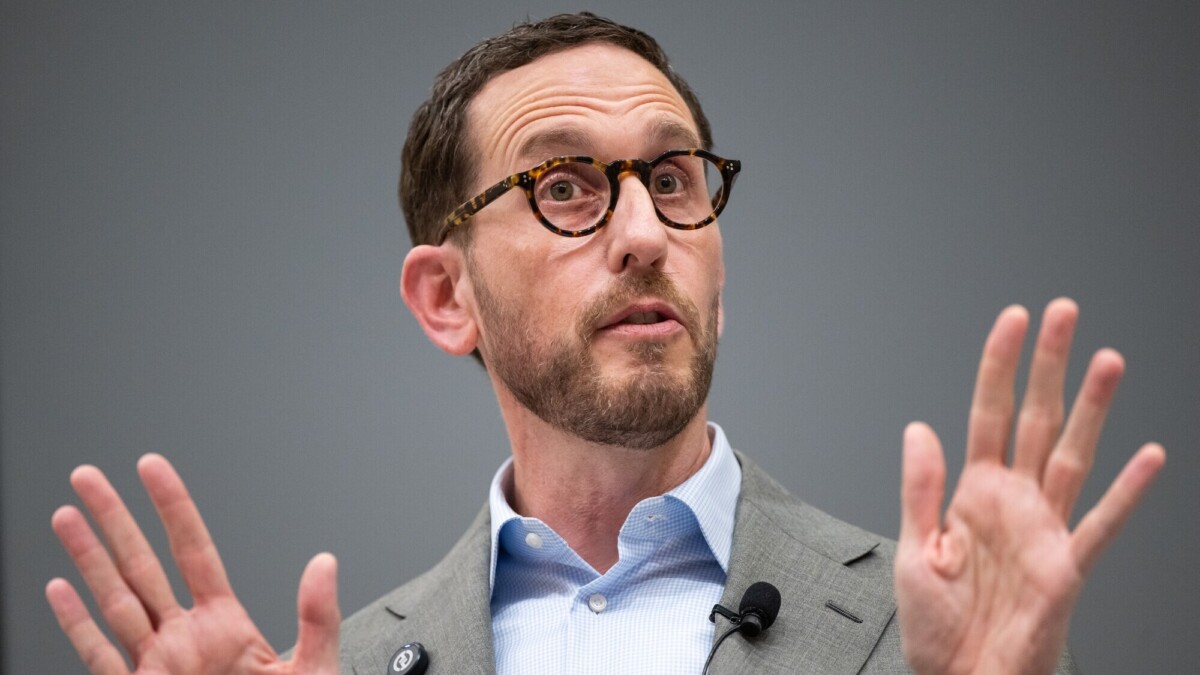
Scott Wiener, elected to Congress to represent San Francisco , intends to use his influence to shape federal regulation of artificial intelligence. This California legislator, already the author of several pioneering laws in his state, warns that time is running out in the face of AI systems whose development he considers potentially uncontrollable.
Scott Wiener hadn't even had time to savor his election victory when his mind was already on artificial intelligence. Just hours after being declared the winner of a close race for the congressional seat vacated by former Speaker of the House Nancy Pelosi, the California state senator was discussing a report published the previous day by the non-profit organization METR. This document, widely interpreted as evidence that an AI system had reached a stage of recursive self-improvement—that is, the ability to significantly contribute to its own progress—clearly worried him. "It's very concerning," he said, seeing it as confirmation that the window for action is rapidly closing.
The phenomenon of recursive self-improvement, which he mentioned several times during a 20-minute interview, refers to the risk of an AI system progressing autonomously and exponentially, to the point of escaping all human control. "We need to slow this process down," he said. "Because it's happening very fast, and we could slide into disaster without even realizing it."
Wiener is no newcomer to these issues. In 2024, he drafted SB 1047, which would have been the first U.S. legislation on so-called frontier AI systems, before California Governor Gavin Newsom vetoed it. He then sponsored a more flexible bill, SB 53, which Newsom ultimately signed into law. Both initiatives have since inspired legislative proposals at the federal level.
His campaign received over three million dollars from Public First Action, an AI regulation advocacy group that receives substantial funding from Anthropic, one of the industry's leading research labs. His opponents have tried to exploit this support to portray him as too close to the tech industry. Wiener categorically rejects this interpretation: "Public First supported me because I was the first elected official in the country to introduce AI regulation and the first to get it passed and enforced," he responded, denouncing the attacks as "shockingly cynical."
In Congress , he hopes to join a potential special commission on artificial intelligence, the creation of which has been discussed for several months within the Democratic Party. Among the priorities he advocates are the creation of a federal regulator with real powers, protections for whistleblowers, requirements for testing and auditing systems, and an emergency shutdown mechanism. He also insists on the need to preserve the autonomy of the states, opposing any broad federal preemption that would deprive California and other states of the ability to legislate. "The states are, as Justice Brandeis said, laboratories," he reminds us.
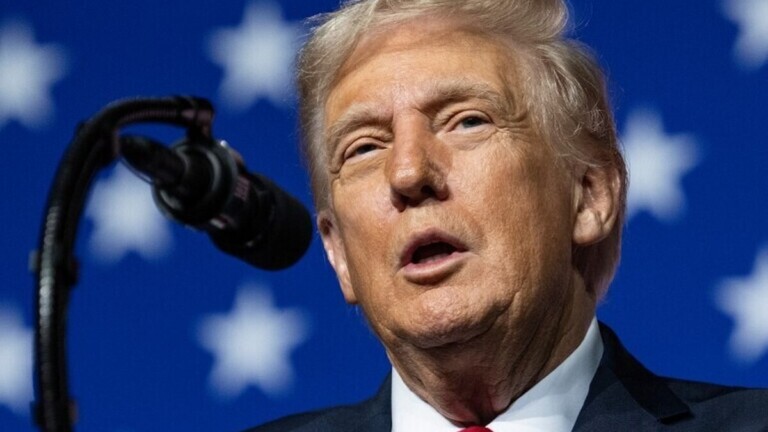
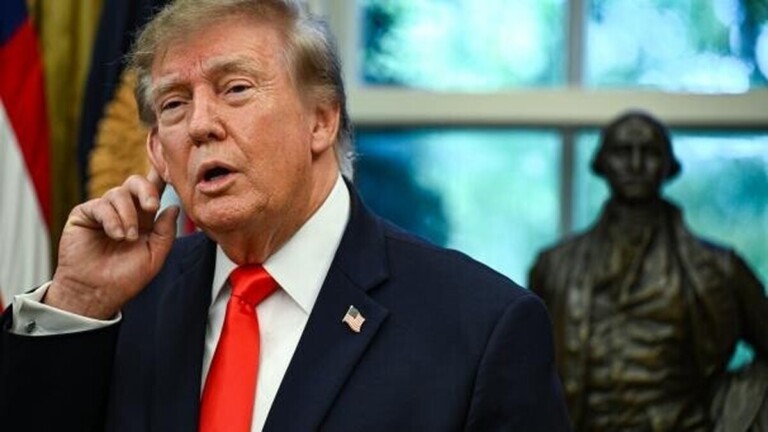
Wiener says he is only "cautiously optimistic" about Congress's ability to act, citing the disappointing record of US lawmakers dealing with major digital platforms. President Donald Trump 's dismissal of concerns about the catastrophic risks of AI as a "hoax" further complicates matters. The lack of cooperation with China on these issues, which Wiener considers essential, is another major obstacle in his view. "We are at a very dangerous moment in terms of the risk of losing control over AI," he summarizes, hoping that Congress will act before a serious incident forces it to do so.





Respond to the article
Be the first to comment on this article.