

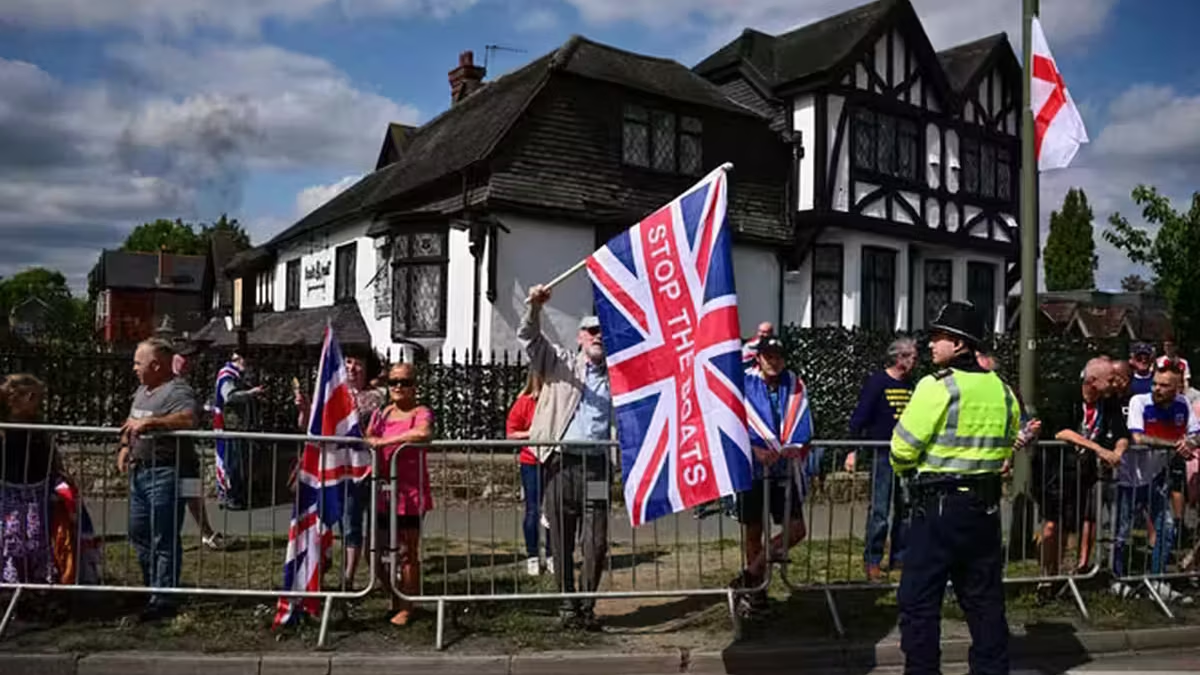
In the United Kingdom , anti-immigration protests and actions targeting asylum seeker reception centers are causing growing concern. Between demonstrations, intimidation, and the risk of violence, British authorities must balance maintaining public order, the freedom to protest, and protecting those targeted. This is a particularly sensitive climate as immigration remains one of the main points of political contention in the country.
The issue of migration continues to cause significant tension in the United Kingdom, particularly around hotels requisitioned to house asylum seekers. These establishments have regularly become rallying points for activists opposed to the government's asylum policy. While some demonstrations remain peaceful, others lead to clashes with counter-protesters or law enforcement. Refugee advocacy groups denounce a climate of intimidation that could further destabilize people who have already experienced difficult migration journeys.
These protests are taking place within a political context marked by debates surrounding Channel crossings, the cost of accommodating asylum seekers, and the reception capacities of local authorities. Critics of migration policy denounce public spending and demand stricter border controls. Conversely, humanitarian organizations emphasize that asylum applications must be examined in accordance with British law and the country's international commitments. Authorities must also distinguish between legitimate protests and acts of harassment, threats, or violence.
The British government faces the risk of violence
The government's concerns extend beyond protests outside reception centers. They also include the emergence of organized groups claiming to be responsible for the security of certain communities. An investigation published in September identified at least 28 anti-migrant vigilante groups formed in the past 18 months. Some organize patrols, monitor locations housing asylum seekers, or attempt to disrupt Channel crossings. Incidents in Dover and Portsmouth, in particular, have resulted in road blockades and alleged clashes with police.
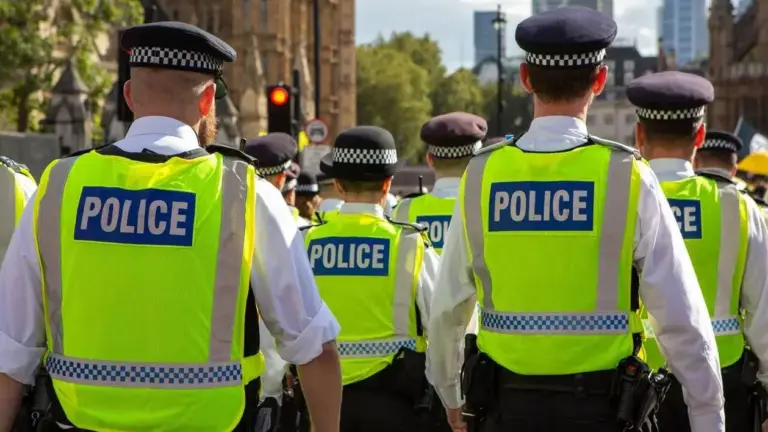
British Home Secretary Shabana Mahmood has instructed law enforcement to use their full powers to prevent unrest. Police officials reiterate that citizens cannot take the law into their own hands by conducting checks or intervening against individuals suspected of wrongdoing. Meanwhile, the government is seeking to ease tensions surrounding the accommodation of asylum seekers. On November 19, the Home Office announced the closure of eight more hotels, bringing the total number of establishments closed since the beginning of the year to 52.
The proliferation of these initiatives reflects a radicalization of a segment of the British immigration protest movement. While the authorities acknowledge the concerns expressed by some residents regarding immigration and public spending, they must also prevent these anxieties from escalating into intimidation or violence. The challenge for London is now to maintain public order while demonstrating its ability to control immigration policy, without allowing private groups to usurp prerogatives reserved for the security forces.




Respond to the article
Be the first to comment on this article.