

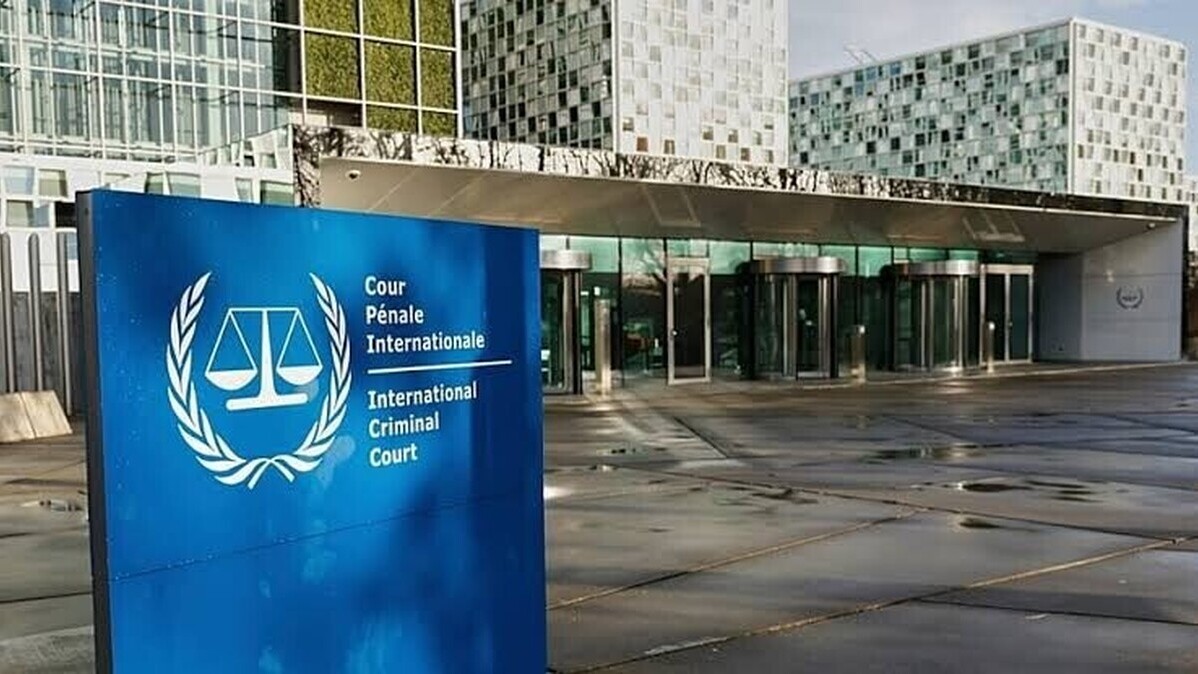
Tajikistan announced on Friday its intention to leave the International Criminal Court, becoming the fourth country to initiate this process since Washington expressed its desire to dismantle the institution. The decision coincides with Vladimir Putin’s visit to Dushanbe.
Tajikistan has officially begun the withdrawal procedure from the International Criminal Court (ICC), joining Chad, Nauru, and Venezuela on a list of countries that have turned their backs on the permanent tribunal responsible for judging war crimes, crimes against humanity, and genocides. The decision was announced on Friday, the very day Russian President Vladimir Putin made a stopover in Dushanbe returning from a trilateral meeting with Donald Trump and Xi Jinping in Shenzhen, China.
The timing of this announcement is notable. Since March 2023, Putin has been subject to an international arrest warrant issued by the ICC for war crimes committed during the invasion of Ukraine. Tajikistan, considered a close ally of Moscow, therefore chose to formalize its departure from the institution at the exact moment its Russian partner set foot on its soil.
This wave of withdrawals occurs amid increasing American pressure on the ICC. Donald Trump and his Secretary of State Marco Rubio have intensified attacks against the jurisdiction, accusing it of overstepping its authority. During the Shenzhen meeting, Trump publicly criticized the Court, provoking, according to broadcast images, an amused smile from Putin.
The ICC expressed « regret » over Tajikistan’s decision, stating that it compromises « the collective pursuit of justice » and weakens « global efforts to end impunity. » The institution recalled that it « is at the heart of the international accountability system » and that its effectiveness depends on « sustained and unequivocal » support from the international community.
Tajikistan had signed the Rome Statute, the founding text of the ICC, as early as 1998, before ratifying it in 2000. The withdrawal procedure lasts one year, in accordance with the treaty’s provisions. The country will therefore formally join the list of non-member states at the end of this period.
Other countries had already announced their departures before the recent American offensive against the Court: Burkina Faso, Mali, and Niger left the institution, describing it as a tool of « neocolonial repression. » Overall, this marks a gradual erosion of support for the only permanent international criminal jurisdiction, at a time when it is handling some of its most sensitive cases.






Respond to the article
Be the first to comment on this article.