

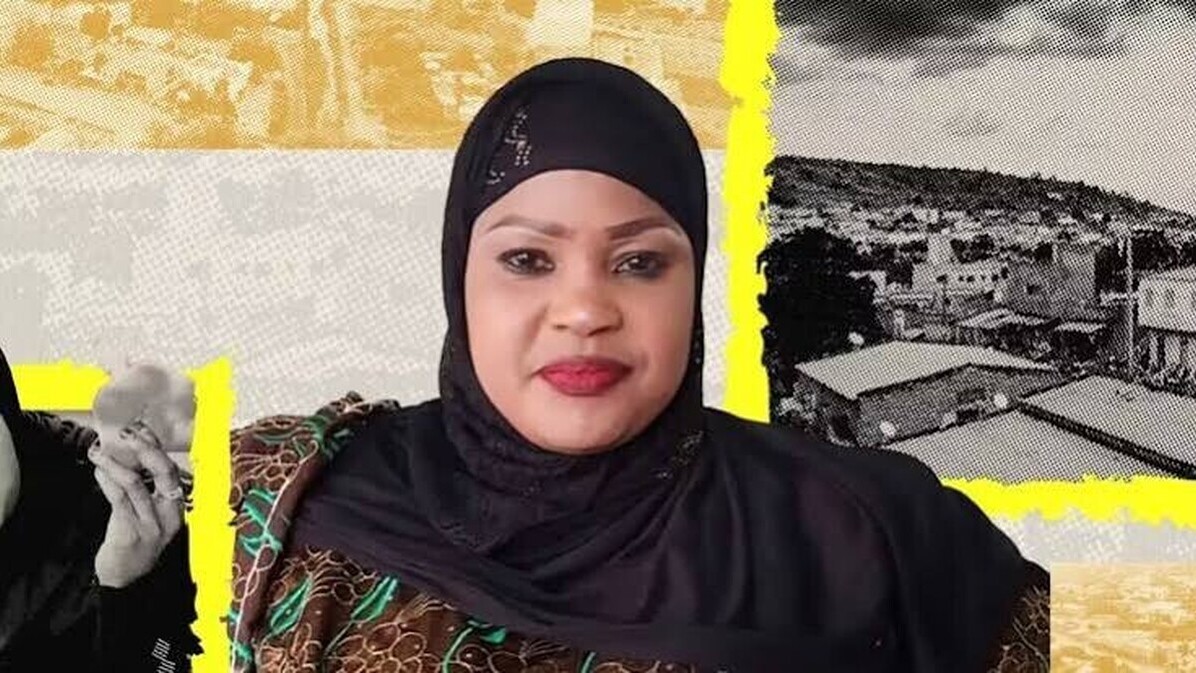
Amnesty International is mobilizing to secure the release of Rokiatou Doumbia, a Malian influencer known as “Rose Vie Chère,” imprisoned since March 2023. Aged 48 and mother of two, this activist was sentenced on August 17, 2026, to ten years in prison, including three suspended, for “undermining state credit” and “criminal association.” The human rights organization denounces arbitrary detention and believes the merchant was punished for publicly criticizing the rising cost of living in Mali.
Followed by approximately 175,000 TikTok followers, Rokiatou Doumbia became known for denouncing inflation and the economic difficulties faced by Malian families. She notably described the military-led political transition as a “failure” before her arrest on March 13, 2023, in Bamako. Initially charged with “incitement to revolt” and “disturbing public order,” she was sentenced in August 2023 to one year in prison and a fine of one million CFA francs. These initial charges were overturned on appeal in January 2024, but the influencer remained incarcerated due to new prosecutions. Her case is also linked to that of commentator Mohamed Youssouf Bathily, nicknamed Ras Bath, who had invited her on his radio show to discuss the country’s economic difficulties. He was sentenced to the same penalty in August 2026.
An International Campaign Against Arbitrary Detentions
On Monday, November 23, Amnesty International announced that Rokiatou Doumbia would be one of the faces of the 25th edition of its global campaign “Write for Rights,” launching December 10, on International Human Rights Day. The initiative involves sending letters, emails, support cards, and petitions to raise international awareness of her situation. Khadidiatou Diaw, campaign officer within the organization, considers that the influencer was sentenced for exercising her freedom of expression. Amnesty demands her immediate and unconditional release, as well as that of Ras Bath and others it considers arbitrarily detained in Mali.
This case occurs amid increasing restrictions on public freedoms in Mali, governed by the military since the 2020 and 2021 coups d’état. The transitional authorities are regularly criticized by human rights organizations for prosecutions targeting journalists, activists, and opponents. Malian authorities cite the need to preserve the country’s security and stability, which faces a severe security crisis. In its 2026 World Press Freedom Index, Reporters Without Borders ranks Mali 121st out of 180 countries. For Amnesty International, Rokiatou Doumbia’s case illustrates the challenges faced by critical voices in the country, while international mobilization must now intensify to secure her release.



Respond to the article
Be the first to comment on this article.