

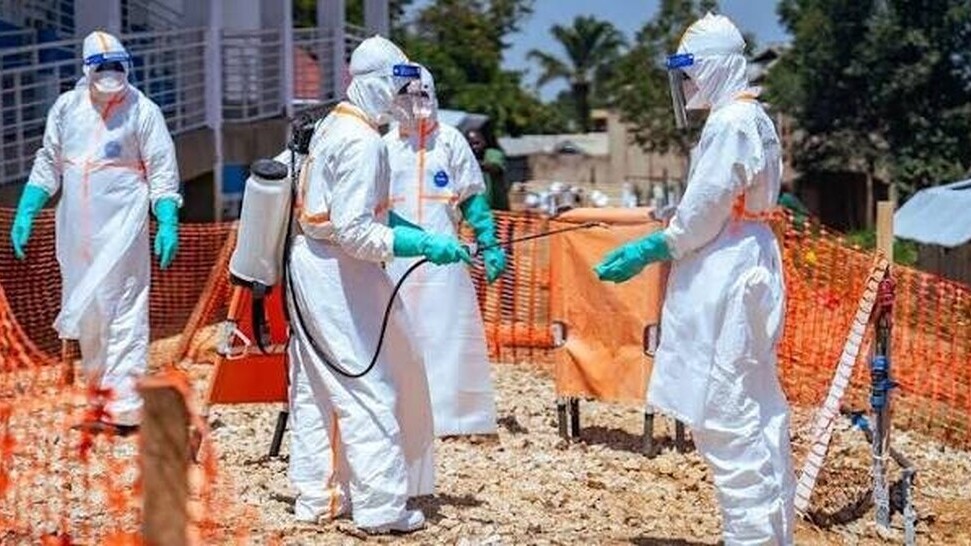
The Democratic Republic of Congo is facing the most severe Ebola epidemic in its history. According to the latest health data published on Wednesday, November 11, 11,042 people have been infected since the start of the outbreak, among whom 5,387 have died. The virus, which appeared in the Ituri province, has now spread to eight provinces in the country. Armed conflicts and violence against medical teams significantly complicate efforts to combat the disease.
The health situation continues to deteriorate in the Democratic Republic of Congo. Congolese authorities announced on Wednesday that the number of Ebola virus infections had exceeded 11,000 cases. According to figures from the National Institute of Public Health (INSP), 11,042 infections have been confirmed since the epidemic was officially declared in mid-May 2026. The human toll now reaches 5,387 deaths, representing a fatality rate of 48.8%. Nearly one in two infected persons has therefore died. Authorities also report 2,990 recoveries. This new outbreak has become the deadliest ever recorded in the country, far surpassing the 2018 to 2020 epidemic, which caused nearly 2,300 deaths.
The epidemic started in Ituri, in the northeast of the DRC, before gradually spreading to other regions. Eight of the country’s twenty-six provinces are now affected, with a particularly high concentration of infections in Ituri and North Kivu. These two provinces represent the vast majority of recorded cases. Health authorities also report infections in Haut-Uélé, Bas-Uélé, Tshopo, South Kivu, and the Ubangi provinces. The virus has also crossed Congolese borders, with cases reported in Uganda, Kenya, and Nigeria. This regional spread heightens concerns among health organizations, which fear new infections in neighboring countries.
An Ebola strain against which no vaccine is yet approved
The current outbreak is caused by the Bundibugyo virus, a species of the Ebola virus against which no specific vaccine is currently approved. The disease is mainly transmitted through direct contact with the blood or bodily fluids of an infected person, as well as through certain contaminated objects. Early symptoms generally include high fever, extreme fatigue, muscle pain, headaches, and digestive disorders. In the most severe cases, the infection can cause organ failure and hemorrhaging. Rapid medical care remains essential to improve survival chances and limit transmission.
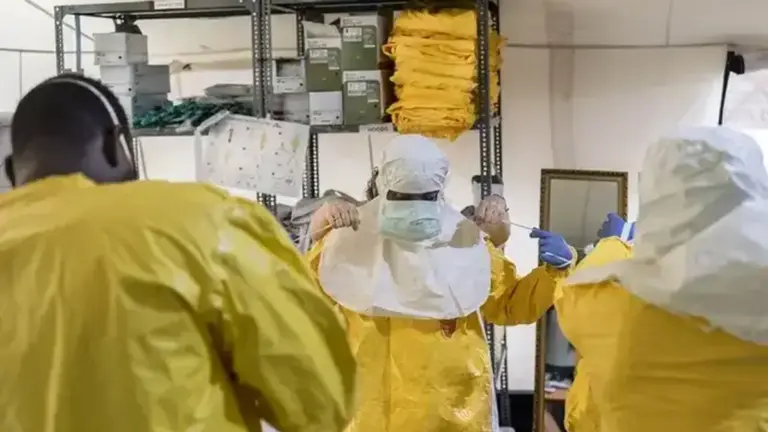
In response to this situation, Congolese authorities and international organizations are trying to accelerate prevention efforts. On October 24, the World Health Organization announced the launch of a clinical trial to evaluate the effectiveness of the Ervebo vaccine against the Bundibugyo strain. This vaccine is currently approved against the Ebola Zaire virus, responsible for other outbreaks in Africa. Researchers are now seeking to determine whether it could also offer protection against the strain causing the current outbreak. While awaiting results, health teams continue surveillance operations, identification of persons who have been in contact with patients, and their care in specialized centers.
Armed conflicts prevent medical teams from intervening
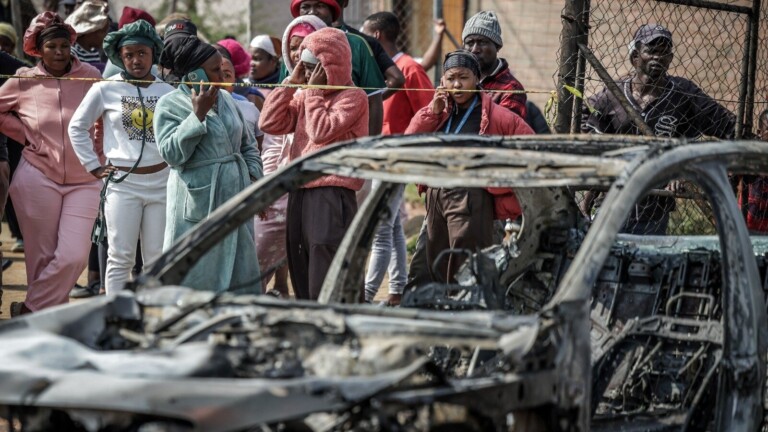
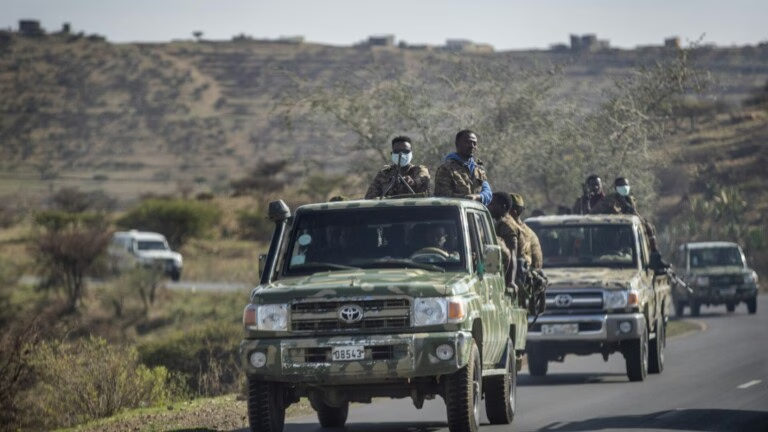
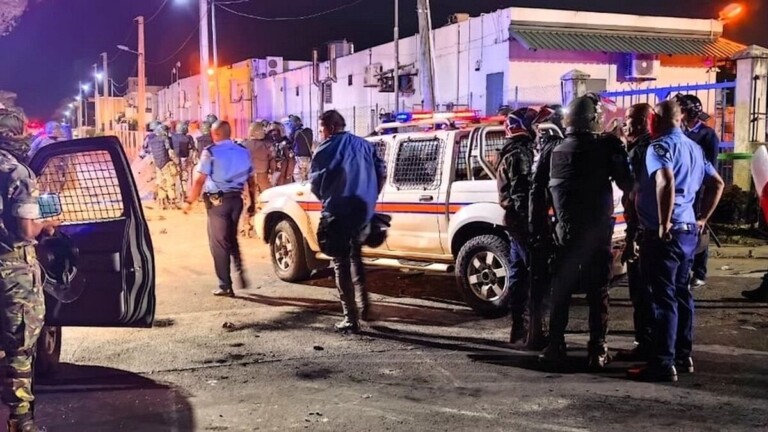
The fight against the epidemic faces a major challenge: persistent insecurity in eastern DRC. The provinces of Ituri and North Kivu are regularly affected by clashes between armed groups, making some territories difficult to access. These violences disrupt the functioning of health centers and complicate the movement of teams responsible for detecting new cases. On Sunday, November 8, a medical center treating Ebola patients was set on fire in Lolwa, Ituri, during an attack attributed to local youths. On the same day, clashes between militias led to the temporary suspension of health activities in the Fataki area. These incidents occur while several armed groups continue their operations in the region.
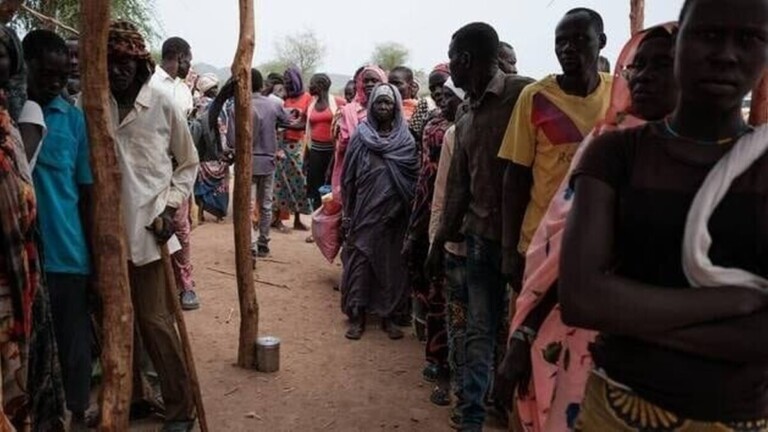
Distrust among part of the population towards health authorities also constitutes an obstacle. Rumors and false information about the origin of the disease or proposed treatments sometimes fuel tensions with caregivers. Humanitarian organizations warn of risks related to deaths occurring outside treatment centers, as relatives may be exposed to the virus during care or funeral ceremonies. With more than 5,300 deaths and spread now beyond DRC borders, this epidemic has become the second largest ever recorded worldwide, behind the one that struck West Africa between 2014 and 2016. Congolese authorities call for strengthening medical resources and ensuring the security of teams in the field to slow infections and prevent further worsening of the toll.




Respond to the article
Be the first to comment on this article.