

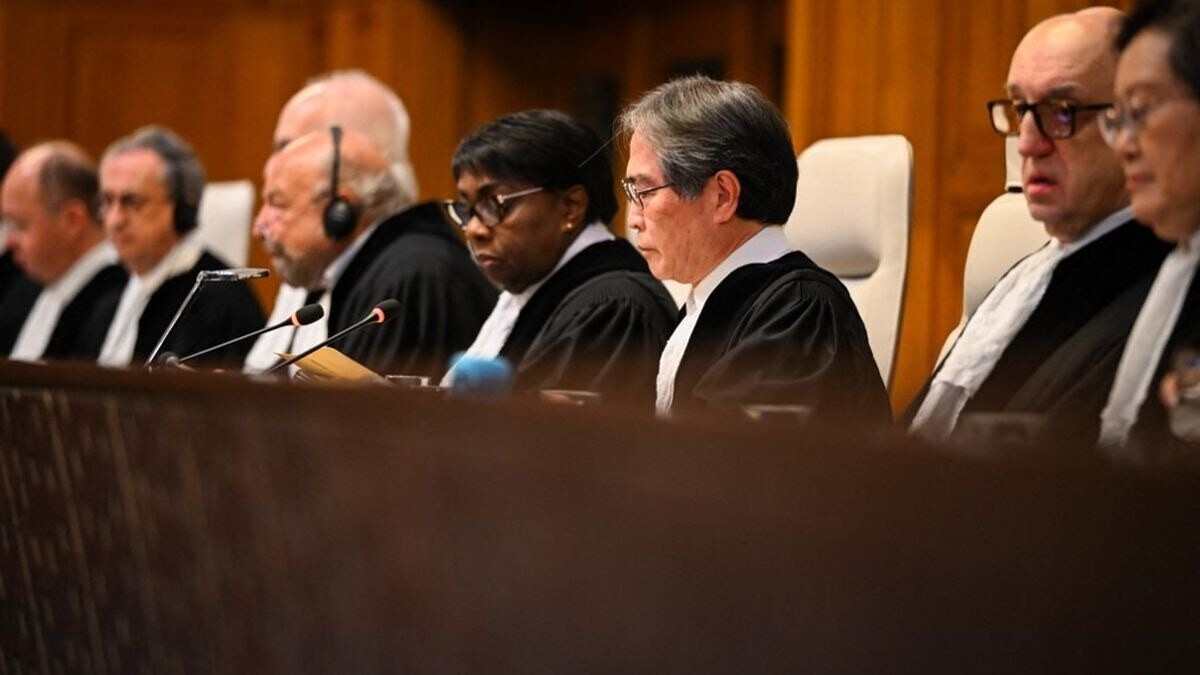
The International Court of Justice has officially recognized the genocide perpetrated by Myanmar against the Rohingya Muslim minority. Franco-British lawyer Philippe Sands, who represented The Gambia in the proceedings, hailed the decision as a landmark in the history of international law.
This is a ruling that human rights defenders have been waiting for for years. The International Court of Justice has formally recognized that Myanmar committed genocide against the Rohingya Muslim minority, a population that, for the most part, now survives crammed into refugee camps in Bangladesh . The UN court has now ordered that these refugees be allowed to return to Myanmar and receive compensation.
Philippe Sands, the Franco-British lawyer who defended Gambia against Myanmar before the same court, described the decision as a pivotal moment for international law. "The ICJ ruling is one of those key moments that change history," he stated, emphasizing the symbolic and legal significance of such a recognition.
The proceedings were initiated by The Gambia on behalf of the Organisation of Islamic Cooperation, a choice of plaintiff that illustrates the collective and international dimension of this legal action. Recognition of the genocide by the highest international court now provides a solid legal basis for the claims for reparations and return made on behalf of the Rohingya.
The situation of this minority remains precarious. Hundreds of thousands of people fled Myanmar following the 2017 military violence, documented by the United Nations as having genocidal intent. While the ICJ ruling represents a major legal victory, it does not, on its own, resolve the issue of the effective and safe return of these populations to a country still governed by a military junta since the 2021 coup.







Respond to the article
Be the first to comment on this article.