

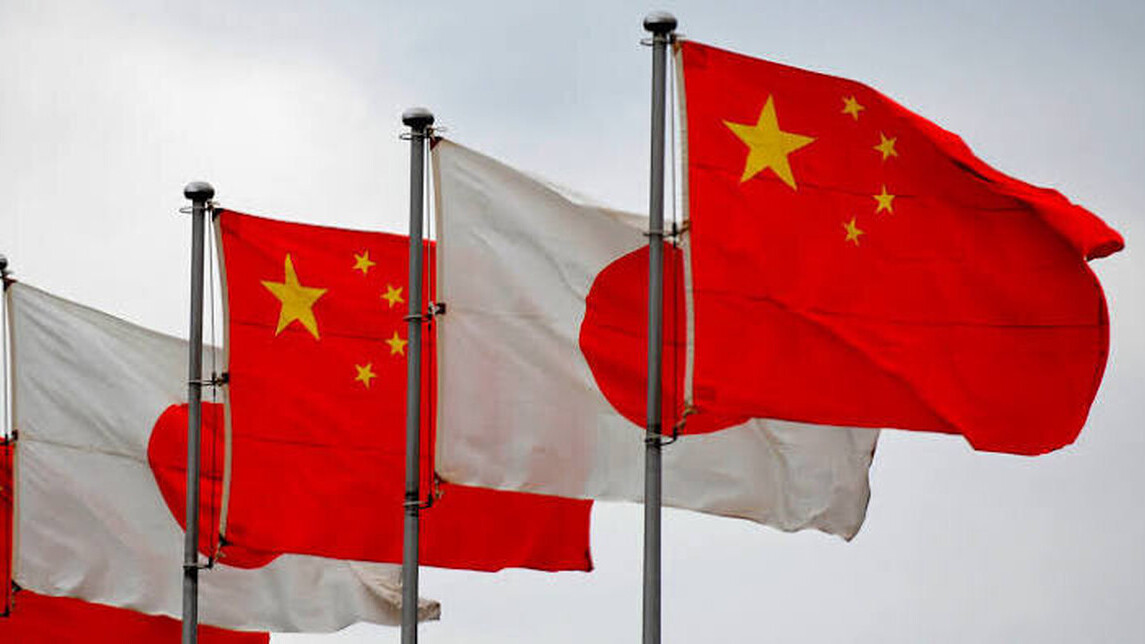
Relations between China and Japan have entered a new period of tension. At the Shenzhen summit, Beijing called on Tokyo to change its "attitude," in a regional context marked by persistent strategic rivalries. This statement illustrates the difficulties the two Asian powers face in stabilizing their relations despite the importance of their economic exchanges.
China has sent a new diplomatic message to Japan , urging it to reconsider its stance. This position, expressed in the context of the Shenzhen summit, reflects the tensions in relations between Beijing and Tokyo. While the two countries maintain significant trade ties, their political relationship remains regularly strained by disagreements over regional security, territorial issues, and the strategic balance in East Asia.
The wording used by the Chinese authorities reflects a desire to put pressure on the Japanese government. However, it is insufficient to establish the precise concessions expected from Tokyo . Bilateral relations are marked by a succession of periods of rapprochement and tension, depending on political declarations, military initiatives, and diplomatic developments in the region.
Taiwan and regional security are at the heart of concerns
The Taiwan issue is one of the main points of contention between China and several of its neighbors. Beijing considers the island part of its territory and rejects any prospect of formal independence. Japan, a close ally of the United States , is closely monitoring developments in the Taiwan Strait, the stability of which has direct consequences for its security and supplies.
Territorial disputes in the East China Sea also contribute to tensions. The Senkaku Islands, administered by Japan and claimed by China as Diaoyu, remain at the heart of long-standing disagreements. Maritime and air activities in the area regularly fuel concerns for both governments, even though dialogue mechanisms exist to prevent incidents.
A strategic rivalry despite strong economic interdependence
China and Japan play a major role in the Asian economy. Their companies maintain close industrial and trade relations, particularly in the automotive, electronics, and technology sectors. A sustained deterioration in their relations could therefore affect supply chains and investment prospects in the region.
Diplomatic tensions do not necessarily mean a breakdown in trade. The two governments share common interests in regional economic stability, but their strategic priorities remain different. Beijing 's message to Tokyo thus underscores the fragility of this balance. The evolution of relations will now depend on the diplomatic initiatives undertaken and the ability of both capitals to maintain channels of communication.










Respond to the article
Be the first to comment on this article.