

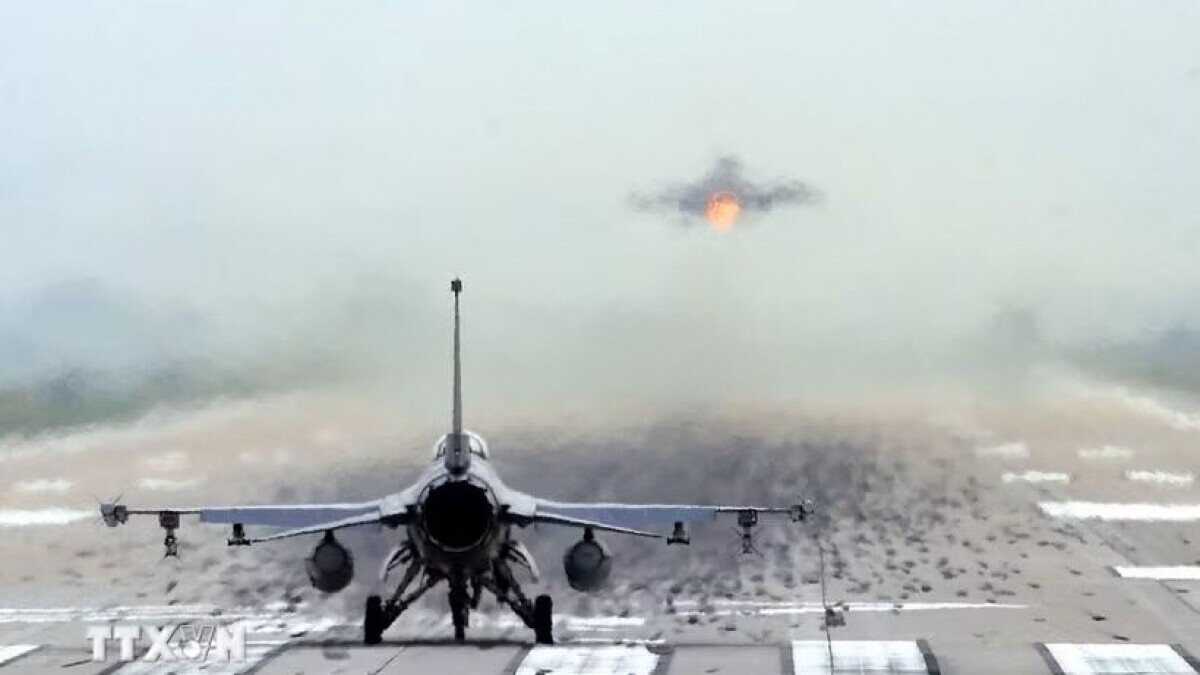
The conflict with Iran represents a considerable expense for the United States. According to a Pentagon official who testified before US lawmakers on Thursday, November 19, military operations have already cost $48,3 billion. This estimate does not include all the damage sustained by US facilities in the Middle East and fuels questions about the financing of this war.
The war in Iran is taking an increasingly heavy toll on American finances. Arthur Miller, Deputy Comptroller of the Armed Forces at the Pentagon, told members of Congress that the cost of military operations reached $48,3 billion as of November 13, 2026. This amount covers operational expenses, munitions used, and the replacement of military equipment. It relates to the conflict launched on February 28 by the United States and Israel against Iran. This official assessment provides a new measure of the financial commitment undertaken by Washington in a confrontation whose consequences now extend far beyond Iranian territory.
The figure released represents a significant increase compared to previous estimates. The Congressional Budget Office had assessed the cost of the conflict at approximately $38 billion as of August 1st. The increase reflects the ongoing operations and the substantial consumption of military resources. Missile defense systems, air strikes, naval deployments, and the protection of U.S. bases require particularly expensive resources. Replacing damaged or destroyed equipment also constitutes a burden likely to extend over several fiscal years.
Military spending represents only a portion of the actual cost
The Pentagon 's estimate does not include the full extent of the damage inflicted on US bases in the Middle East. Several facilities have been targeted by drone and missile attacks, affecting logistical infrastructure, surveillance equipment, and military buildings. Their repair could require significant additional investment. US officials must also consider the costs associated with maintaining forces deployed in the region, as tensions continue to impact US shipping lanes and strategic interests.
Beyond the defense budget, the conflict is having international economic repercussions. Disruptions in the Strait of Hormuz, a strategic waterway for global hydrocarbon trade, are a source of concern for energy markets. A sustained increase in oil or shipping costs could impact businesses, households, and public finances in many countries. These indirect effects are not included in the $48,3 billion announced by the Pentagon, meaning that the overall economic cost remains difficult to determine.
In Washington , these figures are fueling discussions on budget priorities and parliamentary oversight of military spending. Lawmakers are particularly keen to have more comprehensive assessments of material damage and future funding needs. The US administration must also reconcile the demands of the conflict with its other military and strategic commitments. As operations drag on, their cost becomes a domestic political issue, in a context where public spending choices are already the subject of intense debate. The amount announced on Thursday therefore does not necessarily represent a final bill, but rather a snapshot of the expenses identified at this stage.









Respond to the article
Be the first to comment on this article.