

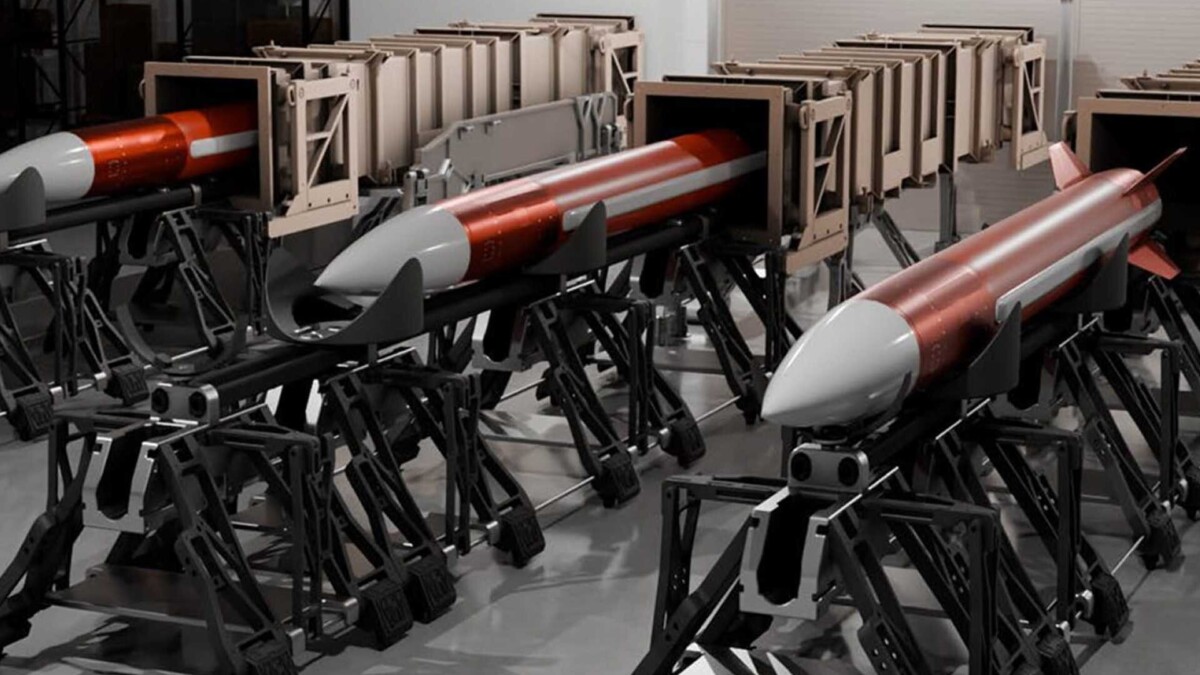
The US strikes against Iran, which were almost daily for nearly two weeks, ceased on July 25. Donald Trump He cited diplomacy as the reason for the pause. But behind the scenes, General Dan Caine, Chairman of the Joint Chiefs of Staff, had warned on Friday that resuming hostilities would "dangerously deplete the interceptors available in the region."
The figures are staggering. In the first thirty days of the conflict, the United States fired 850 Tomahawk cruise missiles, according to the Center for Strategic and International Studies (CSIS), a geopolitical think tank based in Washington. By the end of April, a third of the ready-to-use stockpile had already been used up. Each missile costs two million euros and requires two years to manufacture.
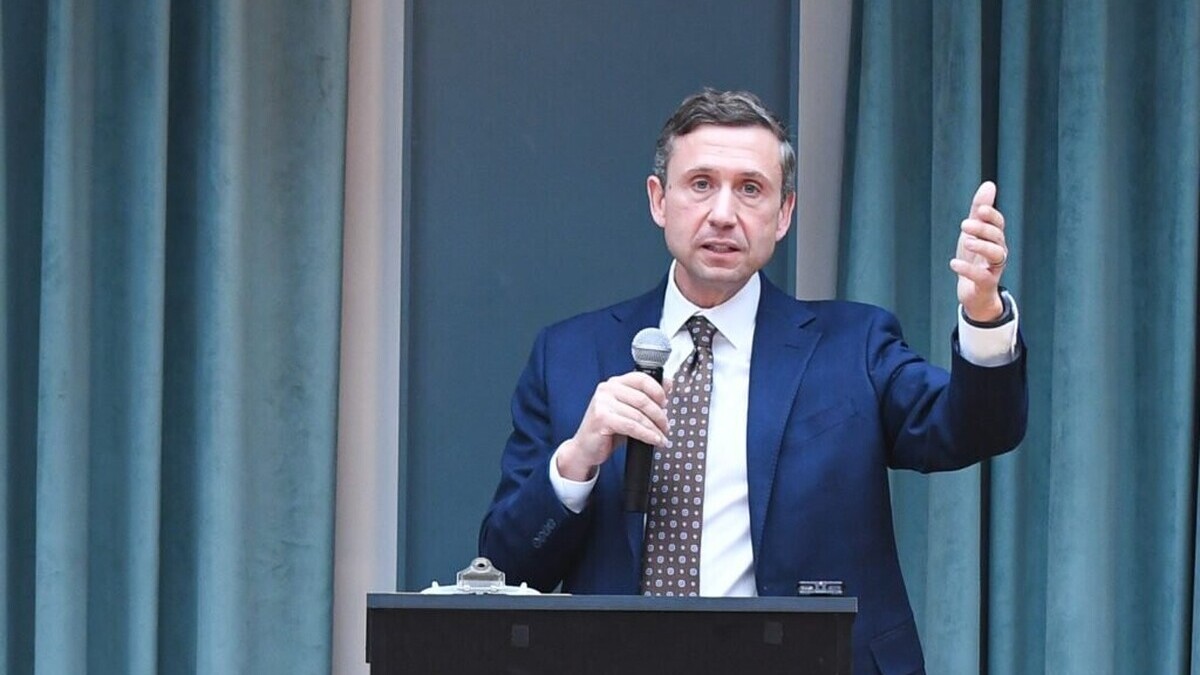
The situation is considered even more concerning with regard to defense systems. According to Michel Yakovleff, a former NATO general and professor at Sciences Po, the Americans have used up "between a quarter and three-quarters of their stockpiles" of surface-to-air missiles, depending on the type. Replenishing these reserves would take "between one and four years." The CSIS emphasizes that pre-war stockpiles were already insufficient, and that their current level "will limit American operations in the event of a future conflict" against an adversary of similar magnitude, such as China.
The repercussions also affect allies. European NATO members depend on the United States for approximately 58% of their arms imports, according to the Stockholm International Peace Research Institute. Japan, which ordered 400 Tomahawk missiles for $2,3 billion, would not receive them until 2030. Switzerland, having purchased five Patriot batteries for approximately two billion Swiss francs, would have to wait until 2029 at the earliest.
Ukraine, for its part, has already been cut off from the American supply chain. Washington did deliver 600 Patriot missiles in total, but the transfers ceased a year ago. "Ukraine no longer counts on America," asserts Michel Yakovleff. Trump, for his part, declared on Monday aboard Air Force One: "I'd like to have more, to be honest, but we've given so much to Ukraine."
Europe technically has solutions. The Franco-Italian SAMP/T system "intercepts even better than the Patriot PAC-3", according to Michel Yakovleff, but the continent remains "behind the United States in terms of production capacity".
One technology has escaped these supply tensions: the drone. Inexpensive and mass-produced, it has redefined the balance of power on the ground. The Ukrainians are "the undisputed champions, far ahead of everyone else, including the Americans," according to the former general. Saudi Arabia, Qatar, and the United Arab Emirates have even signed agreements with Kyiv to export Ukrainian-designed interception equipment. The Pentagon itself acknowledges a considerable lag in this area. When the Russo-Ukrainian war ends, predicts Michel Yakovleff, "the Ukrainians will flood the drone market."






Community
Comments
Write a comment
Be the first to comment on this article.