

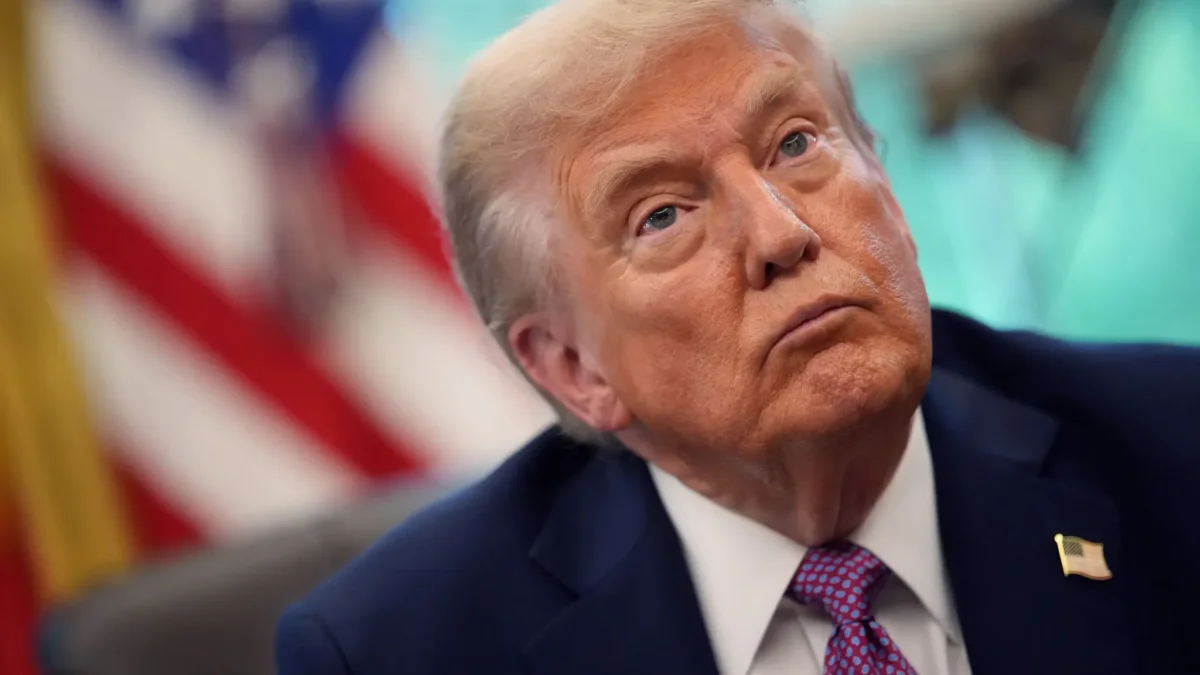
Le président américain Donald Trump reacted strongly to the European Commission's decision to fine Google €890 million for anti-competitive practices. Believing that this penalty unfairly targets American technology companies, he threatened the European Union with further trade retaliation.
In a message posted on his Truth Social network, Donald Trump denounced what he called "illegal" and "highly immoral" behavior. He asserted that the European Union "will pay a very heavy price" for this decision and announced the launch of a trade investigation under Section 301 of the U.S. Trade Act.
Washington is brandishing the threat of new tariffs
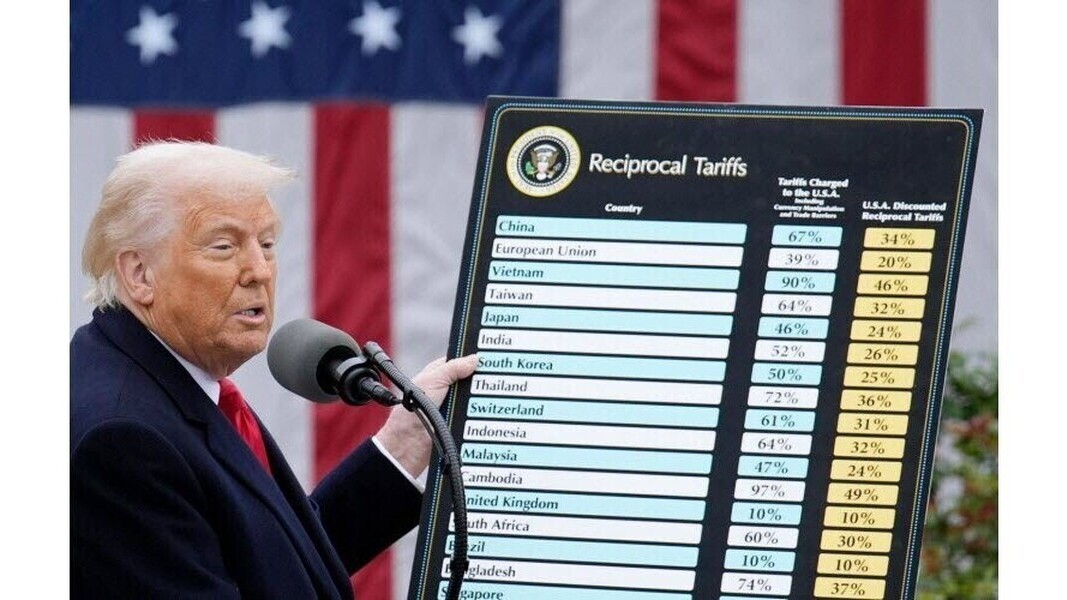
Section 301 allows the United States to investigate foreign trade practices deemed discriminatory and to impose tariffs or other economic sanctions in response. Donald Trump has thus raised the possibility of imposing tariffs on new European products, arguing that the United States should no longer be, in his words, a "cash cow" for Europe.
This new escalation comes as Washington is already applying new tariffs to several trading partners, including the European Union, amid persistent tensions between the two sides of the Atlantic.
Brussels defends its competition policy
The fine imposed on Google is the largest ever levied under the Digital Markets Act (DMA)The European regulation intended to regulate large digital platforms. Brussels accuses the American giant of abusing its dominant position in online search and on its Google Play app store.
The Vice-President of the European Commission in charge of Digital Affairs, Henna Virkkunen, assured that this decision was not specifically aimed at American companies but that its objective was to guarantee fair competition between all digital players operating in the European market.
Google denounces a damaging decision
Google contested the penalty, arguing that it risks disrupting several services widely used by European internet users. The company points out, however, that the fine represents approximately 0,22% of its global revenue, thus limiting its immediate financial impact.
The European decision nevertheless exacerbates tensions between Brussels and Washington, where major American technology companies benefit from increased support from the Trump administration. Several American officials believe that European digital regulations disproportionately target US companies and threaten the balance of transatlantic trade relations.




Community
Comments
Write a comment
Be the first to comment on this article.