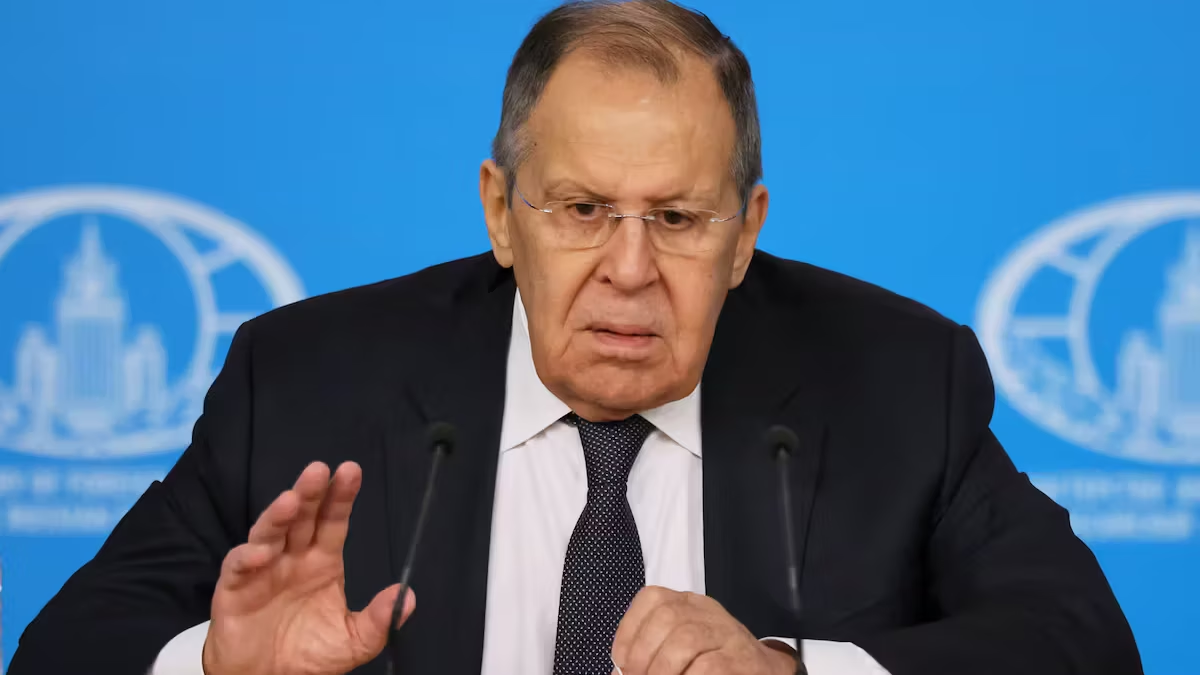
Russian Foreign Minister Sergei Lavrov stated that the United States is seeking to take control of the Nord Stream pipelines, located in the Baltic Sea and severely damaged since the 2022 explosions.
According to him, Washington aims to strengthen its dominance over global energy markets by now focusing on these strategic infrastructures that connected Russia to Europe.
The explosions that occurred more than three years ago have significantly reduced Russian gas deliveries to the European continent, worsening energy tensions.
Since then, the exact origin of the sabotage remains uncertain, despite several years of investigation and the arrest of a Ukrainian suspect in Italy in 2025.
However, Sergei Lavrov has provided no concrete evidence to support his accusations regarding an American intent to directly control the pipelines.
He nevertheless compared this situation to what he considers a growing US influence over energy resources in other regions, notably Venezuela and Iran.
These statements come amid strong geopolitical tensions between Russia and Western countries, against the backdrop of the war in Ukraine and energy rivalries.
The Nord Stream pipelines, now largely out of service, remain a major strategic issue for Europe’s energy supply.
This stance from Moscow illustrates the battle for influence over energy infrastructures, which have become a key leverage point in international power relations.