Net migration to the UK fell to 77,000 people over the twelve months ending June 2026, according to figures published Thursday, November 26, by the Office for National Statistics (ONS). Excluding the pandemic period, this is the lowest level recorded since 1997.
The UK migration balance, which corresponds to the difference between the number of people settling permanently in the country and those leaving it, recorded a 62% decrease in one year. It stood at 204,000 people in June 2025, according to revised data. The decrease is even 92% compared to the historic peak of 944,000 people recorded over the twelve months ending March 2023.
In total, 738,000 people settled in the UK for at least twelve months between July 2025 and June 2026, compared to 893,000 the previous year, a decrease of 17%. During the same period, 661,000 people left the UK. The decline in net migration is therefore mainly explained by the reduction in arrivals rather than an increase in departures.
Non-EU and associated European country nationals represent about 75% of arrivals, with 550,000 people. Their net migration fell from 379,000 to 258,000 in one year. Conversely, the net migration of British nationals remains negative, at 137,000 people, as does that of European nationals, estimated at minus 45,000.
The tightening of immigration conditions is having an effect
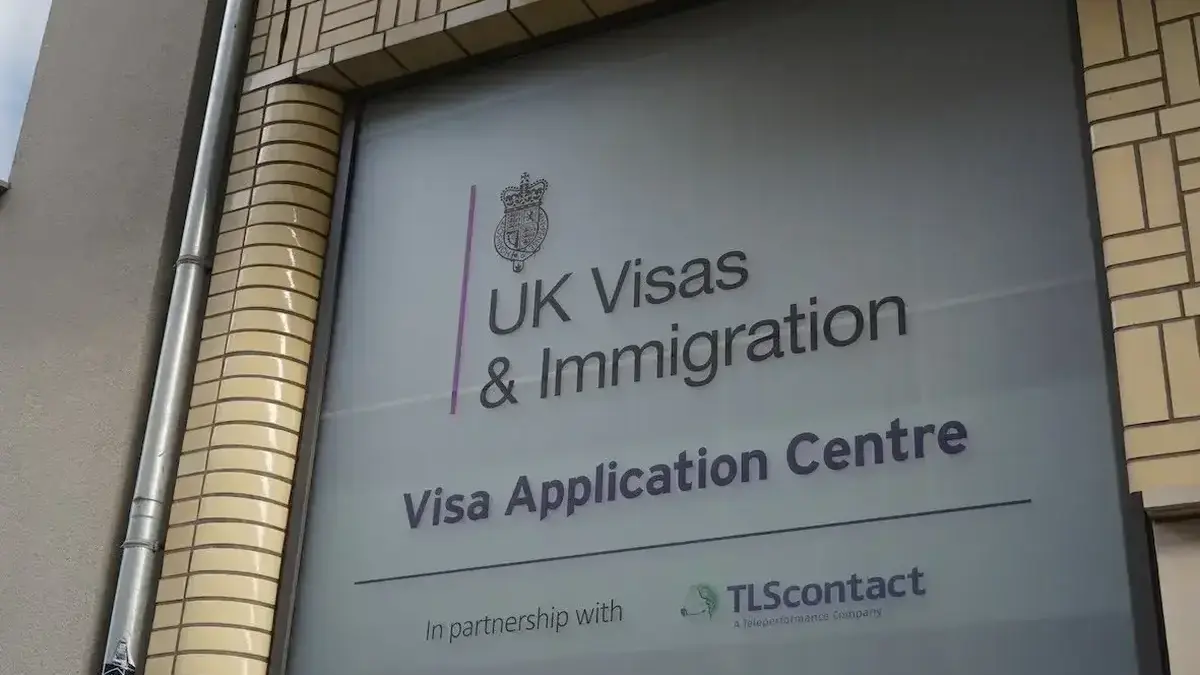
This development follows several migration reforms successively introduced by Conservative and Labour governments. Restrictions concerning work visas, dependents of foreign students, and family reunification have contributed to changing migration flows. In one year, arrivals of non-European nationals for work reasons decreased by 45,000 people, while those related to studies fell by 33,000.
Asylum applications have also seen a significant decrease. According to statistics from the UK Home Office, 74,000 people applied for asylum in the UK over the twelve months ending September 2026, a 33% drop year-on-year. Home Secretary Shabana Mahmood welcomed these results, stating that the government had regained control of immigration. The Conservatives also attribute this development to measures adopted while they were in power.
The slowdown is reflected in UK demographics. The UK population now reaches nearly 69.6 million inhabitants, with an annual growth limited to 0.12%, the lowest since 1983. These developments raise questions about labor needs, particularly in sectors dependent on international recruitment. The ONS specifies, however, that its estimates remain provisional and will be updated in May 2027.
Sources citées dans l’article Office national des statistiques (ONS) · Statistiques du ministère britannique de l’Intérieur