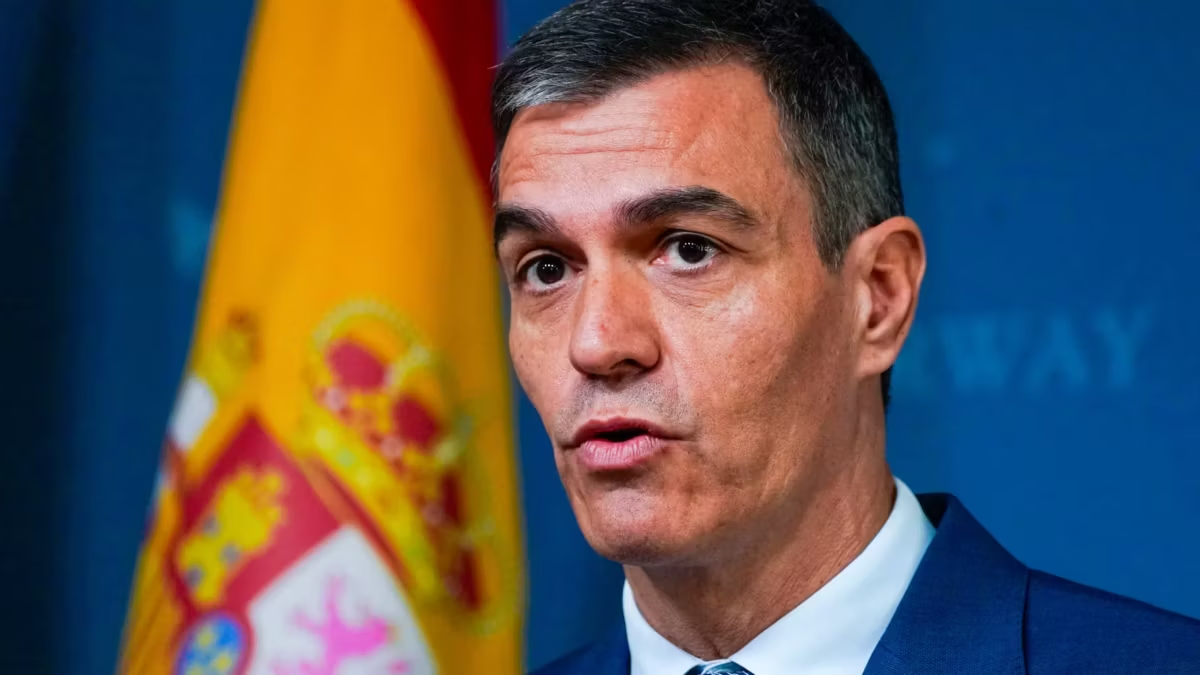
Spain is preparing for a decisive election day. This Sunday, November 29, 2026, Spaniards are called to the polls for early legislative elections, following several months of political tensions and parliamentary difficulties. On Friday evening, the main candidates concluded a particularly contested campaign, dominated by the housing crisis, immigration, corruption scandals, and economic concerns. Socialist Prime Minister Pedro Sánchez is trying to retain power against Alberto Núñez Feijóo, leader of the People’s Party, while Vox and the left-wing coalition Frente Amplio hold an important place in the country’s political reshaping.
The early election was officially called after the dissolution of the Congress of Deputies and the Senate decided in early October. Pedro Sánchez, head of government since 2018, chose to seek voters’ support again in a context of parliamentary fragility. Tensions between different parties, political controversies, and difficulties in passing several measures had complicated the functioning of his coalition. Opposing him, Alberto Núñez Feijóo hopes to enable the People’s Party to regain government leadership. The conservative leader focused his campaign on economic management, the fight against corruption, and the necessity, according to him, to end the political cycle embodied by the outgoing head of government. Meanwhile, Santiago Abascal, president of Vox, defends a nationalist and conservative line, particularly focused on immigration and security.
The last day of the campaign, Friday, November 27, saw several major gatherings. Pedro Sánchez chose Madrid for his final rally, while Alberto Núñez Feijóo went to Seville, accompanied by People’s Party officials. Santiago Abascal closed his campaign in Valencia, and Ada Colau, a figure of the left-wing coalition Frente Amplio, also organized a rally in the capital. These final events took place the day after a televised debate bringing together the four main campaign figures. The exchanges were marked by strong opposition regarding social rights, migration policies, disaster management, and corruption accusations. The candidates also multiplied interventions on social networks and in the media to defend their programs until the last authorized hours.
Housing, immigration, and corruption at the heart of Spanish concerns
The housing issue has established itself as one of the main themes of this campaign. The increase in rents and property prices, particularly in major cities like Madrid, Barcelona, or Valencia, raises strong concerns among households. The difficulties faced by young workers in accessing homeownership and the multiplication of tourist rentals also fuel the debate. According to a survey by the 40dB institute conducted for El País and Cadena SER, 31.7% of respondents consider access to housing as one of the two main election issues. Pensions and public services also rank among important concerns, ahead of immigration and the economic situation. Parties propose different responses, ranging from strengthening real estate market regulation to policies more focused on increasing supply and incentives for construction.
Immigration constitutes another point of confrontation, especially after events that occurred in Ceuta during the year. Vox advocates a significant tightening of migration policies, while the People’s Party calls for strengthened controls and better border management. The Socialists emphasize more the European management of migrations and integration measures, although their positions are also contested by their left-wing partners. Corruption scandals have simultaneously occupied an important place in debates, with each camp questioning the record or responsibilities of its opponents. The campaign also unfolded against the backdrop of discussions regarding the security of railway infrastructures and the quality of public services. The election outcome will depend not only on the distribution of votes but also on parliamentary agreements that may be concluded after the count. In a political system where coalitions play a decisive role, Sunday’s results will open a new phase of negotiations to define the composition of the next Spanish government.
Sources citées dans l’article Enquête de l’institut 40dB pour El País et la Cadena SER