The documentary “NAZA,” focused on Israeli military operations in the Gaza Strip, is causing a heated controversy in Israel. Prime Minister Benjamin Netanyahu has called for an investigation targeting soldiers and intelligence service members who agreed to testify anonymously in this film. Awarded the special jury prize at the Venice Film Festival, the feature film gathers statements from 24 current or former members of Israeli security forces. Several of them accuse the army of carrying out strikes on military targets while accepting a particularly high number of Palestinian civilian casualties. Serious accusations that Israeli military authorities categorically reject.
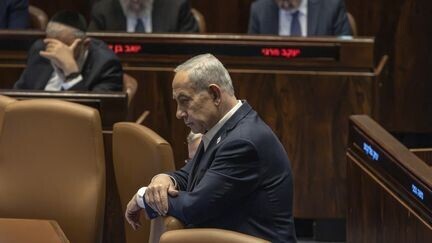
In a message posted on social media, Benjamin Netanyahu demanded a thorough investigation by the IDF General Staff, the Shin Bet (Israel’s internal security service), and the judiciary. The head of government reproaches the participants for potentially disclosing sensitive information and damaging their country’s international reputation. He wants prosecutions to be initiated if offenses are established. The Israeli army also challenged the documentary’s credibility, stating that the testimonies presented provide a misleading view of its operational procedures. It specifically assures that decisions regarding strikes are made by human officials and that mechanisms exist to limit civilian casualties.
A Controversial Film That Places Freedom to Testify at the Heart of the Debate
Directed by Israeli filmmakers Yuval Abraham and Rachel Szor, “NAZA” focuses particularly on the surveillance and targeting methods used during the Gaza war, notably the use of artificial intelligence. The interviewees, whose identities are protected, describe the mechanisms for identifying targets and assessing collateral damage before certain military operations. The film thus questions the conditions under which strikes can be authorized despite the risks to the civilian population. Its favorable reception at several film festivals contrasts with the particularly hostile reactions it provokes within part of the Israeli political class. Its directors also claim to have been threatened since the documentary’s presentation.
Beyond the controversy over the film’s content, the investigation request made by Benjamin Netanyahu raises a sensitive issue concerning the possibility for soldiers to publicly testify about operations in which they participated. Israeli authorities emphasize the protection of classified information and the need to defend the military institution against accusations they consider unfounded. The documentary’s authors claim, on their side, a journalistic approach intended to document the human consequences of war. This opposition illustrates tensions between national security imperatives, freedom of expression, and the right to information. While “NAZA” is gaining increasing international visibility and is scheduled for screenings in France on October 12 and 13, the Israeli government’s reaction contributes to giving this work a political scope that now far exceeds the realm of cinema.