

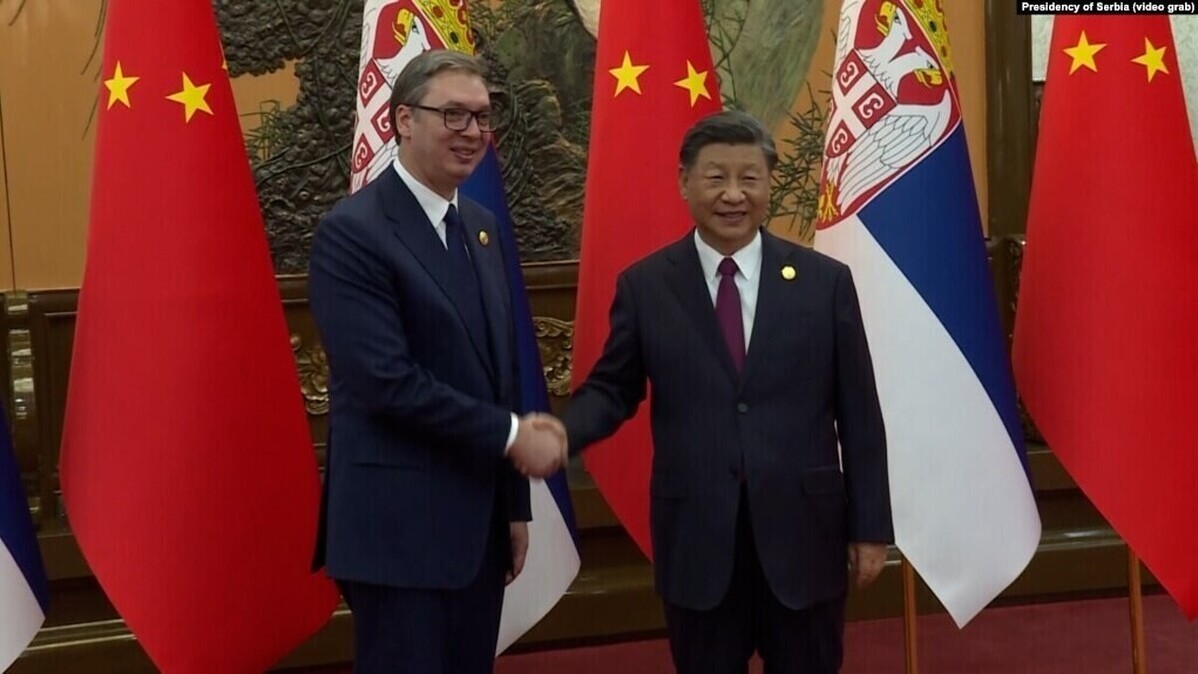
Long favored by former Serbian president Aleksandar Vučić, China became the country's leading investor. But fatal accidents, pollution, and corruption eventually turned a segment of the population against this alliance, paving the way for the Student Party's victory.
For years, Aleksandar Vučić made China a privileged partner, almost a model. Beijing responded to this enthusiasm with massive investments that made it Serbia's largest foreign investor. Factories, infrastructure, public contracts: the partnership seemed unbreakable, and the former president took obvious political pride in it.
But behind the facade of official inaugurations, another reality gradually emerged. Fatal industrial accidents, documented air and environmental pollution around several mining sites, and persistent suspicions of corruption in the awarding of contracts fueled growing resentment among the population. What Vučić presented as a lever for development became, for a significant portion of Serbs, the symbol of opaque governance and an excessive human cost.
This anger found an unexpected political outlet: the Student Party, fueled by a youth mobilization, succeeded in defeating the country's former strongman. Vučić's defeat thus marks a turning point in Serbian political life, where the question of the real benefits of the alliance with Beijing has become central to public debate.
Serbia is not an isolated case. Several Central European and Balkan countries are reassessing their relations with China under pressure from their public opinions, after realizing that investment promises were sometimes accompanied by difficult-to-defend social and environmental conditions.




Respond to the article
Be the first to comment on this article.