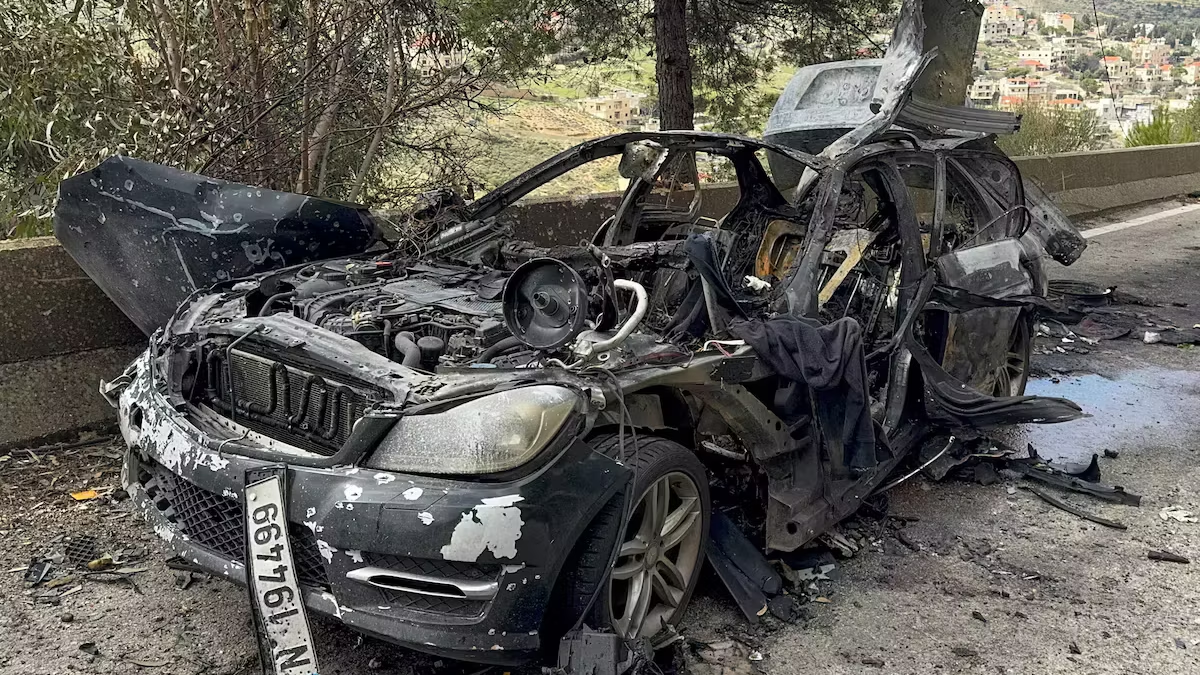
An Israeli strike against a vehicle in southern Lebanon has claimed the lives of three journalists, according to the Lebanese channel Al Manar, amid escalating tensions between Israel and Hezbollah in the context of a regional conflict.
Among the victims are journalist Ali Shaib, affiliated with Al Manar, as well as journalist Fatima Ftouni, who worked for Al Mayadeen. The Lebanese Minister of Information later confirmed the death of a third person, cameraman Mohammed Ftouni, brother of the journalist, who was also present in the targeted vehicle.
The Israeli army confirmed having carried out a strike in the area, claiming to have “eliminated” Ali Shaib, whom it describes as a member of a Hezbollah intelligence unit. According to Israel, he provided information on the positions of its soldiers in southern Lebanon and participated in incitement activities.
However, the Israeli statement does not mention the other victims and does not provide evidence to support the accusations against the journalist. These statements contrast with those of Lebanese media, which present the victims as journalists performing their profession.
This incident illustrates the increasing risks faced by journalists in conflict zones, where the distinction between civilians and combatants is often disputed. It is part of an intensification of strikes and clashes along the Lebanese-Israeli border.
As regional tensions continue to worsen, this episode could provoke new international reactions and revive concerns regarding the protection of civilians and media professionals in war zones.