

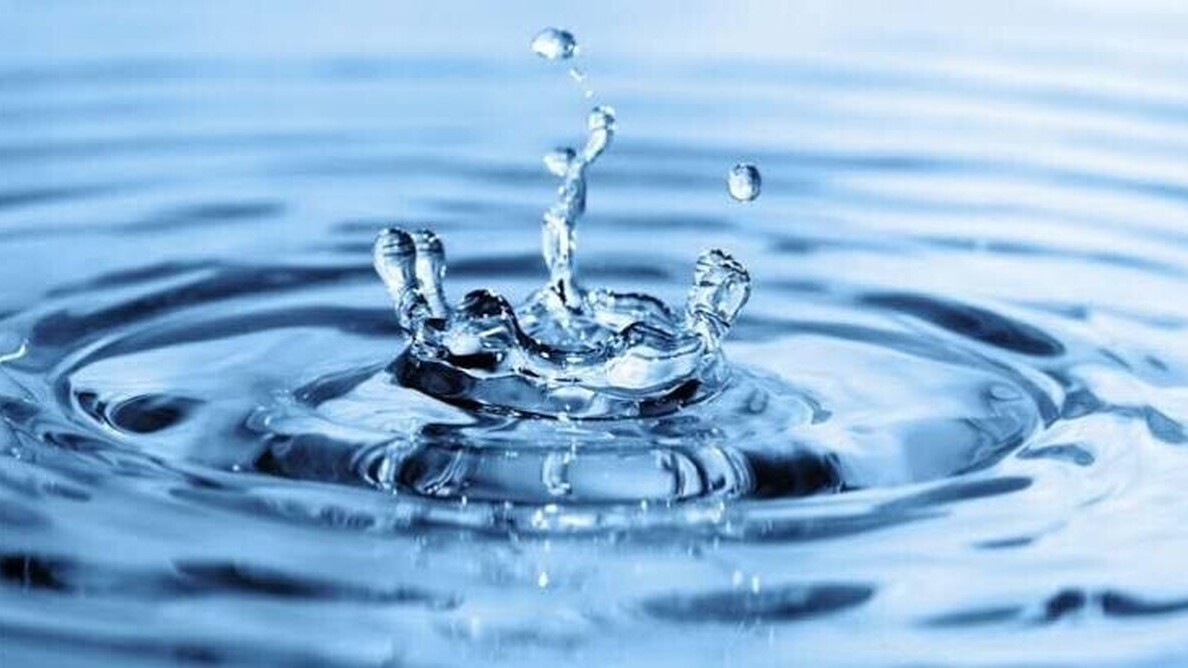
For decades, great powers have clashed over oil, territories, and energy resources. But another resource, far more essential to human survival, could become one of the main geopolitical issues of the 21st century: water. Between droughts, population growth, and rivalries over major rivers, tensions are mounting. What if tomorrow’s conflicts were no longer fought only over borders, but also over access to drinking water?
Water has long been considered an abundant natural resource, available almost everywhere and indispensable to the development of civilizations. However, this perception no longer corresponds to the reality in many parts of the world. According to United Nations estimates, about 2.2 billion people still lack access to safely managed drinking water. In some regions of Africa, the Middle East, and Asia, populations already face regular shortages, insufficient infrastructure, and growing competition among agricultural, industrial, and domestic needs. Climate change worsens these difficulties by altering precipitation patterns, intensifying certain droughts, and weakening freshwater reserves. As the world population grows and food demands increase, the issue of water access now goes beyond environmental concerns to become a matter of national security.
The first geopolitical tensions related to this resource are already visible. In East Africa, Ethiopia’s construction of the Grand Renaissance Dam on the Blue Nile has caused deep disagreements with Egypt and Sudan. For Addis Ababa, this project represents a crucial lever for economic development and electricity production. For Cairo, which largely depends on the Nile waters, the filling and operation modalities of the dam raise concerns about its water supply. In Asia, relations between India and Pakistan remain sensitive regarding the sharing of waters from the Indus basin. In the Middle East, the management of the Tigris and Euphrates has long been a source of disagreement between Turkey, Syria, and Iraq. These situations show that water can become a tool of diplomatic pressure and an aggravating factor in longstanding rivalries. They do not necessarily mean that war is inevitable, but they demonstrate how control over water resources can influence power relations between states.
A vital resource that could reshape power dynamics
Unlike oil, whose consumption can gradually be replaced by other energy sources, water has no substitute for the fundamental needs of human beings. It is essential for agriculture, livestock, industry, electricity production, and public health. A country facing a prolonged shortage risks not only a health crisis but also a decline in food production, rising prices, and some populations leaving their territory. This vulnerability could increase social and political tensions, especially in regions already weakened by poverty or armed conflicts. In a world where several states share the same river basins, building a dam, diverting a watercourse, or significantly changing water withdrawals can have direct consequences on downstream countries. Control over water could thus become a strategic power element, on par with energy, raw materials, or transport infrastructure.
Should we then imagine a third world war triggered by a water shortage? Such a prospect remains hypothetical. Contemporary conflicts generally result from a combination of political, territorial, economic, and security factors rather than a single resource. History also shows that water sharing can promote cooperation: many countries have concluded agreements to manage common rivers and aquifers. But these mechanisms will face increasing pressures in the coming decades. States will need to invest in modernizing networks, reducing leaks, recycling wastewater, protecting groundwater, and, when conditions allow, desalinating seawater. The question is therefore not only whether water could cause the wars of tomorrow. It is mainly whether governments will be able to organize its sharing before shortages become major political crises. Because in a world where resources are unevenly distributed, water could well become one of the most decisive issues for international peace.



Respond to the article
Be the first to comment on this article.