

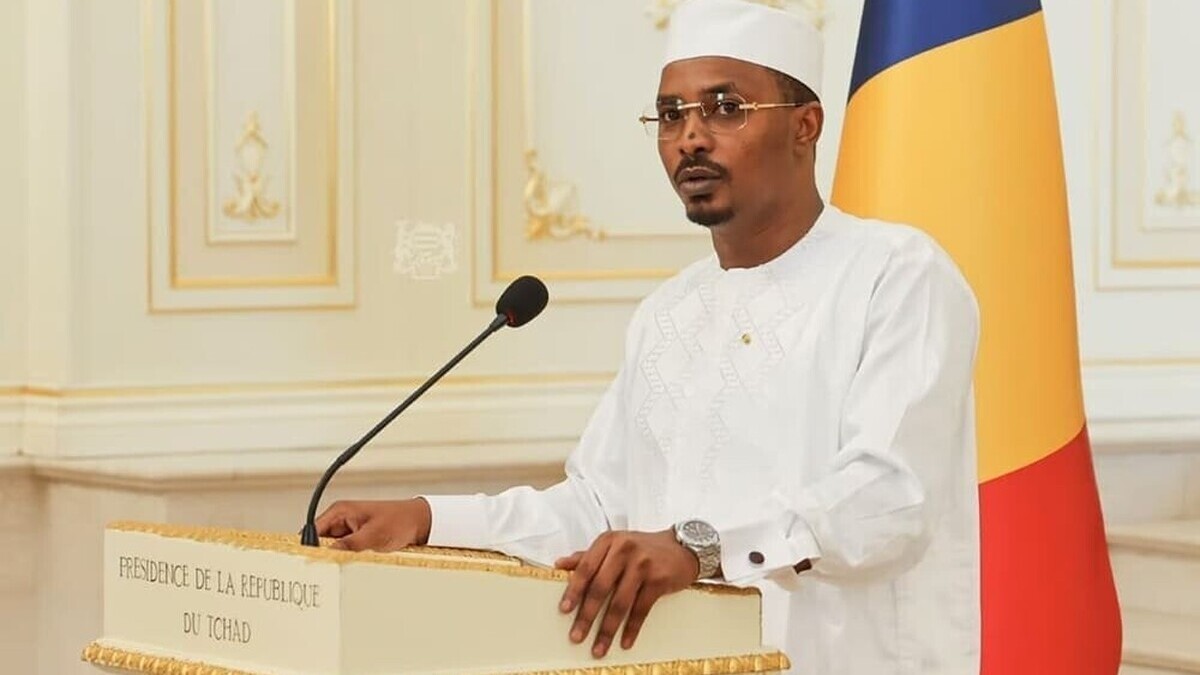
The Chadian Ministry of Foreign Affairs officially announced on Monday the country's withdrawal from the Rome Statute, the founding document of the International Criminal Court (ICC). This decision makes Chad the fourth French-speaking African state to take this step in less than a year, after Burkina Faso, Mali, and Niger, whose juntas coordinated their joint withdrawal last September.
In a statement signed by spokesperson Ibrahim Adam Mahamat, the ministry justified this choice by citing "a thorough review of the International Criminal Court's operations since its inception in 2002 and its record, the effectiveness of which remains limited and uneven across different regions." N'Djamena denounced the "undeniable and blatant selectivity" in the prosecutions brought by the court.
The Chadian government bases its argument on the Court's own figures: nine of the thirteen cases opened since 2002 concern African states, while the other four, relating to other regions of the world, have reportedly seen "no concrete progress." Of the seven individuals currently detained in connection with ICC investigations, only one is not from the African continent. Chad is calling on other members of the African Union to follow its example.
The statement clarifies, however, that this withdrawal "in no way constitutes a renunciation of the moral imperative to deliver justice to the victims," but reflects the conviction that national judicial systems and African mechanisms are "fully capable of fulfilling this mission with dignity."
The decision comes in a particular diplomatic context. The previous Thursday, following talks between a Chadian minister and Frank Garcia Jr., US Assistant Secretary of State for African Affairs, N'Djamena revealed that Washington had expressed its "concerns about the functioning" of the ICC and hoped that Chad would "re-examine its commitment to the Rome Statute." The withdrawal also coincides with last week's vote to remove the ICC's chief prosecutor, Karim Khan, who is facing allegations of sexual misconduct.
The United States has never ratified the Rome Statute. Under the presidency of Donald Trump, the administration has been openly hostile to the Court, particularly since it issued arrest warrants against Israeli Prime Minister Benjamin Netanyahu and his former Defense Minister.
Chad has been ruled by the same family for over 35 years. Idriss Déby seized power in a military coup in late 1990 and governed until his death in April 2021, announced the day after his re-election for a sixth term. His son, General Mahamat Idriss Déby, succeeded him as head of a transitional military council. In October 2022, he extended his interim mandate, triggering protests that were brutally suppressed, resulting in dozens of deaths and the banning of several opposition parties. Elected president in May 2024 with 60,1% of the vote in an election contested by the opposition, he faces a persistent insurgency in the north of the country and an influx of refugees fleeing the civil war in Sudan. His former Prime Minister Succès Masra, the main opponent allowed to run in the presidential election, was arrested in May 2025 and sentenced to twenty years in prison for inciting hatred.







Community
Comments
Write a comment
Be the first to comment on this article.