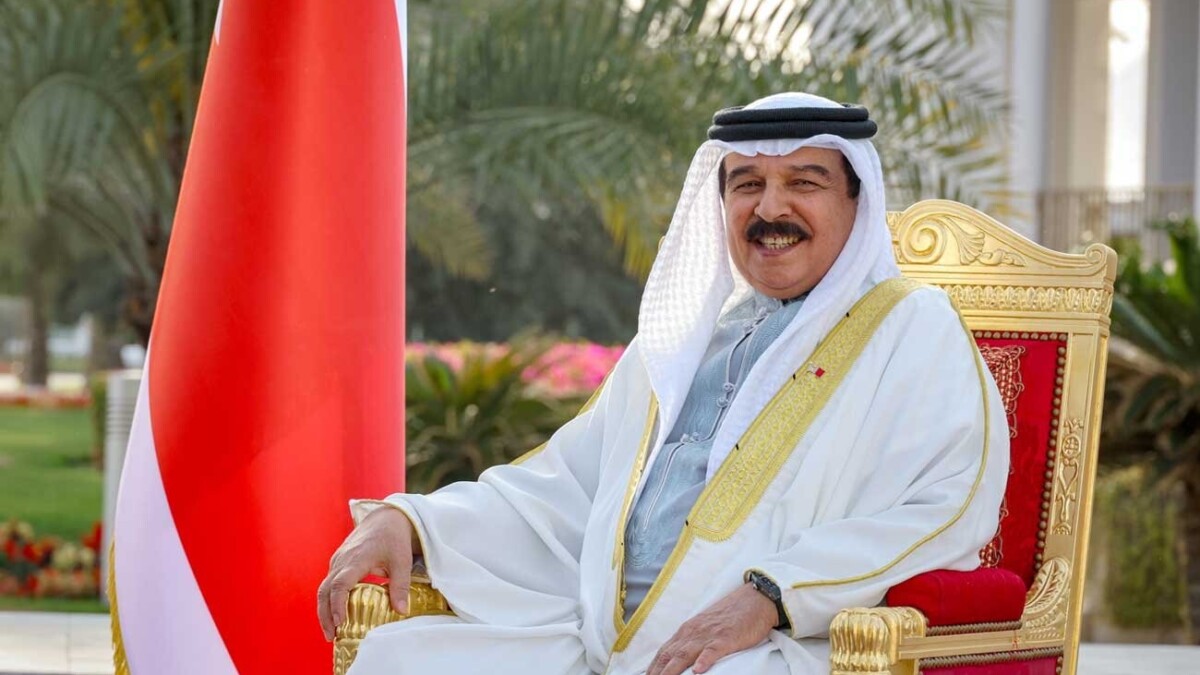
The Kingdom of Bahrain announced on Saturday that it would not take part in the meeting scheduled for Monday in Muscat, to which Iran has invited regional countries to discuss freedom of navigation in the Strait of Hormuz, blocked since the beginning of the war.
The Bahraini Ministry of Foreign Affairs issued a brief statement on Saturday: “In view of what has been reported, the Kingdom of Bahrain will not participate.” The decision comes as Tehran proposed a “consultation” meeting in Muscat, with several Gulf littoral states present, to address the future of the Strait of Hormuz.
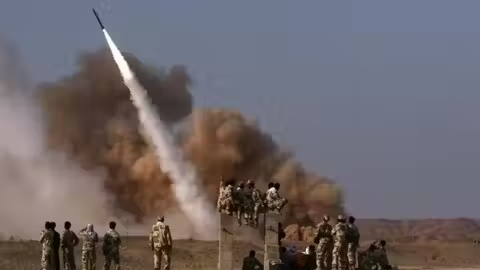
Iran has effectively blocked this maritime corridor since the start of the conflict, cutting off oil and gas exports from the Gulf monarchies to the rest of the world. Tehran seeks to formalize its control over the waterway, notably by establishing transit rights, and is conducting negotiations with Oman, whose territorial waters also cover the strait. Before the US and Israeli strikes against Iran at the end of February, which cost the life of Supreme Leader Ali Khamenei, the strait was freely accessible to all flags.
Manama justified its refusal by citing attacks on infrastructure across the Gulf, considering that regional security “cannot be preserved by a policy of appeasement.” The kingdom demands an opening of the strait “without discrimination, fees, or permits.” Its ministry specified that it would not be “party to any collective meeting including Iran before the resumption of diplomatic relations between the two countries.”
Bahrain severed ties with Tehran in 2016, at the same time as Saudi Arabia, during a previous crisis between the two regional rivals. Riyadh restored its relations with Iran in 2023, but Manama has not yet done so.
On the Iranian side, the Foreign Ministry spokesperson, Esmaeil Baghaei, described the meeting as “a sign of goodwill” from Tehran. “We will speak to our neighbors, despite the fact that their territories, their military bases, or those of the United States, have been used to attack Iran,” he said. He specified that Tehran would inform delegations of the results of the Iran-Oman consultations on the free passage of ships.
However, a senior Iranian official, anonymously cited by Reuters, tempered expectations: the Muscat meeting will allow discussion of the topics, but is not expected to result in a signed agreement. The semi-official Tasnim agency confirmed that a possible agreement between Iran and Oman would not provide for the immediate reopening of the strait, but would only lay the groundwork for such a reopening.