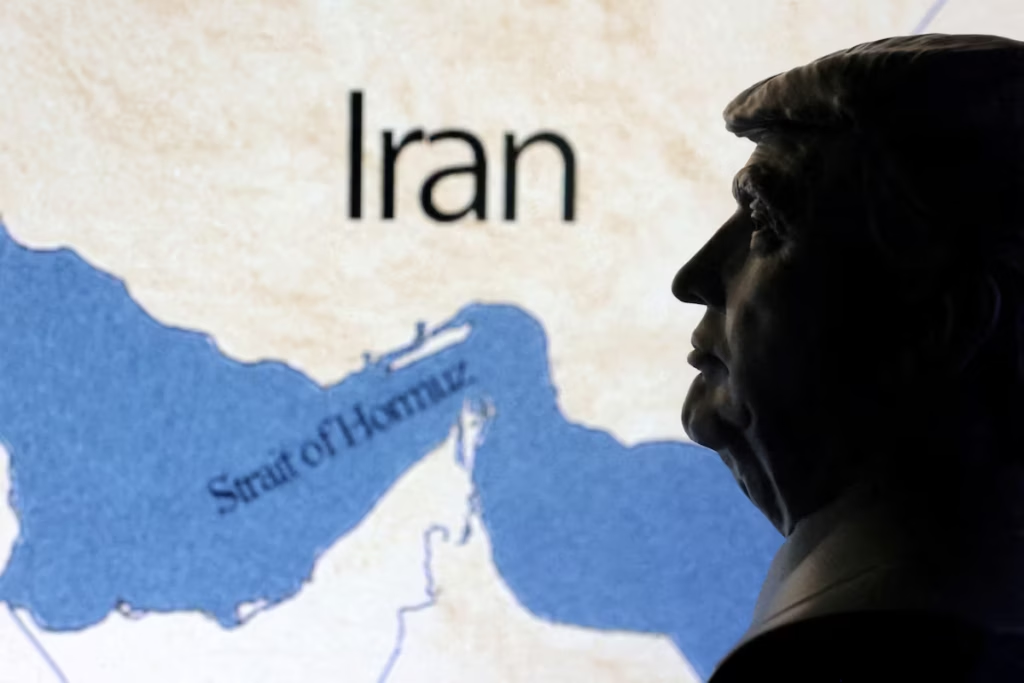
The United States has issued new guidelines for commercial vessels transiting the Strait of Hormuz, a strategic maritime passage for global oil supply, as tensions remain high with Iran amid disagreements related to its nuclear program. U.S. authorities cite a deteriorated security environment in this key Gulf area.
According to these recommendations, released Monday, shipowners and captains are urged to exercise increased vigilance when passing through this narrow strait connecting the Persian Gulf to the Sea of Oman. Washington highlights the heightened risks of maritime incidents, in a context of indirect confrontations and hostile rhetoric between the two countries.
The Strait of Hormuz is one of the world’s most sensitive energy corridors, through which about one-fifth of the oil consumed globally passes. Any disruption to navigation in this area could have immediate repercussions on international energy markets and supply chains.
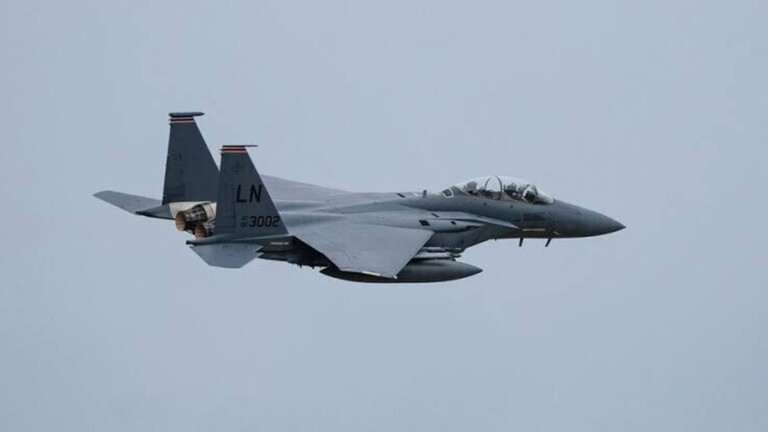
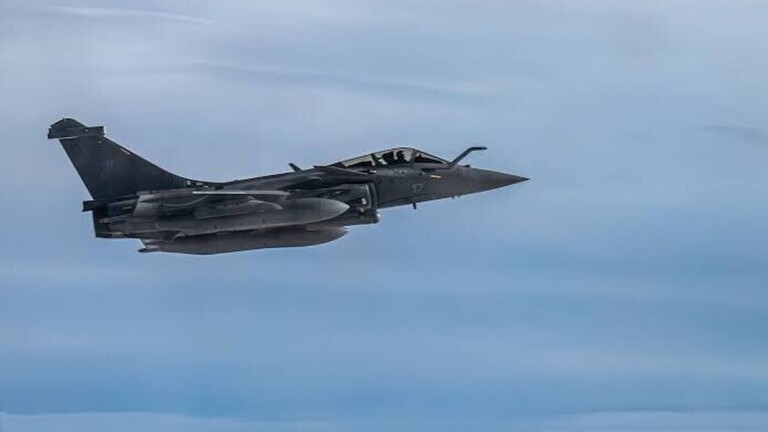
These new guidelines come as relations between Tehran and the administration of President Donald Trump remain tense. Indirect nuclear talks have not resolved differences, while the U.S. military presence in the region has been reinforced in recent months.
U.S. authorities specifically recommend that ships report their routes, maintain constant communications with maritime security centers, and avoid any maneuvers that could be interpreted as provocative. However, no formal navigation restrictions have been announced.
On the Iranian side, officials have repeatedly stated that the strait’s security will be guaranteed as long as their national interests are not threatened. Nevertheless, past incidents involving seizures or harassment of vessels have fueled concerns among maritime transport actors.
In this climate of uncertainty, shipping companies and oil markets are closely monitoring the situation’s evolution, aware that the Strait of Hormuz remains a critical point where geopolitics can quickly translate into global economic shocks.