

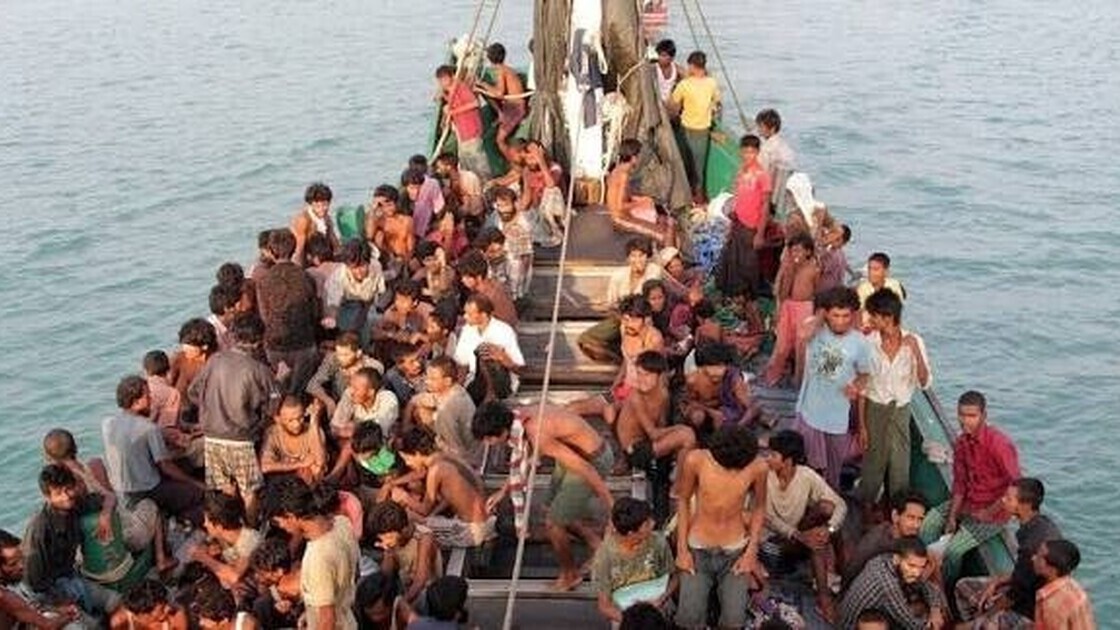
Malaysian authorities plan to deport more than 6,500 migrants from Myanmar as part of their immigration control policy. This decision comes while the country of origin continues to face deep political and security instability since the military coup in February 2021. Clashes between the army and various armed groups have caused significant population displacements, pushing many Burmese to seek refuge abroad.
Malaysia has been an important destination for Myanmar nationals for several years, notably due to employment opportunities in construction, industry, and services sectors. The country also hosts people who have fled persecution and violence, including members of the Rohingya minority. Their administrative status often remains precarious.
Expulsions Raise Humanitarian Concerns
Malaysia is not a signatory to the 1951 Geneva Convention relating to the Status of Refugees. This situation complicates the legal protection of people who have fled conflicts or persecution. Humanitarian organizations regularly warn about the risks some Burmese nationals may face if forcibly returned to their country.
The decision by Malaysian authorities illustrates the tensions between immigration control and protection of vulnerable populations in Southeast Asia. The ongoing violence in Myanmar makes the issue of expulsions particularly sensitive. The conditions of return and individual assessment of the situation of the persons concerned are crucial to prevent these operations from endangering migrants who need international protection.







Respond to the article
Be the first to comment on this article.