

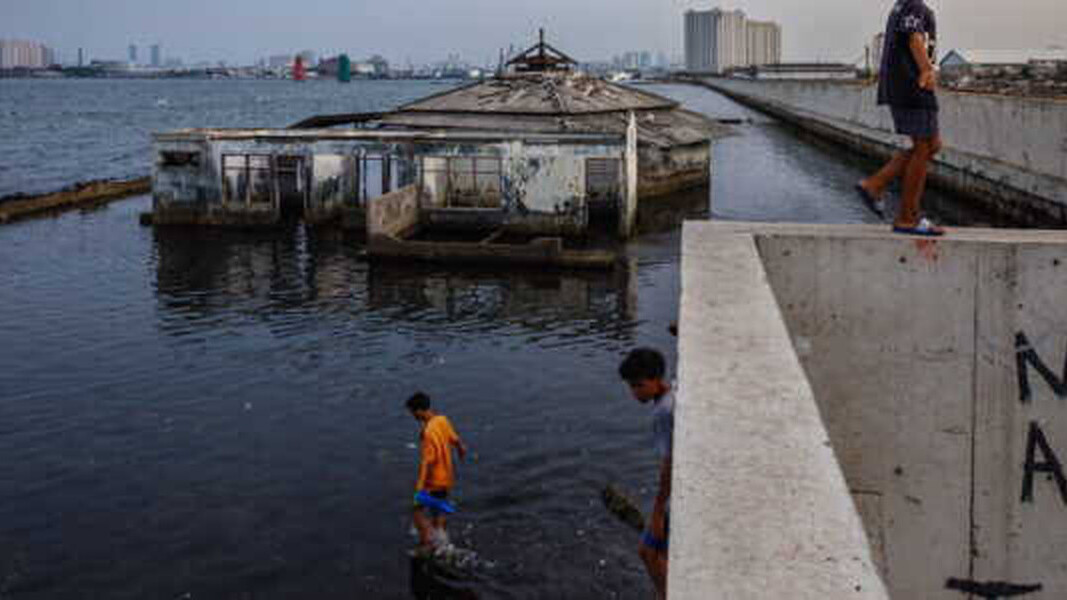
On the Indonesian island of Batam, located near Singapore, the development of data centers is causing growing concern among residents. As investments in digital infrastructure multiply to meet the rise of artificial intelligence, several neighborhoods are experiencing significant water supply difficulties. Some families must reduce their daily consumption, purchase additional reserves, or wait for tanker truck deliveries. For the affected populations, these shortages complicate essential activities such as cooking, cleaning their homes, or taking a shower. The situation fuels frustration towards technological projects presented as drivers of economic growth.
In the Nongsa district, home to a major technology park, residents report repeated outages and insufficient distribution. Some claim they have to change their habits to save every available liter. The difficulties also affect small business owners, whose activities depend on a regular supply. The multiplication of data centers raises questions about the allocation of resources between companies and populations. However, the direct link between these facilities and the reported shortages is not established. Supply problems can also result from drought periods, insufficient infrastructure, or technical failures in the distribution network.
The rise of artificial intelligence heightens concerns
Data centers are essential infrastructures for the operation of digital services, IT storage, and artificial intelligence applications. Their servers generate significant heat and require efficient cooling systems. Some technologies use large amounts of water, while others favor closed circuits or less water-consuming devices. Batam attracts investors due to its proximity to Singapore, its digital connections, and its industrial development opportunities. This dynamic represents an economic opportunity for Indonesia but also raises questions about energy needs, land use planning, and the preservation of natural resources.
Faced with residents’ concerns, local authorities must balance welcoming new investments with improving access to drinking water. The use of seawater desalination, the development of energy-efficient cooling systems, and the modernization of distribution networks are among the possible solutions. Companies in the sector also face increasing demands regarding their water consumption and environmental impact. Beyond Batam, this situation illustrates the difficulties encountered by several Southeast Asian territories, where the rapid expansion of digital infrastructures sometimes occurs in regions already under resource tensions. For residents, the immediate challenge remains: to benefit from a reliable water supply, regardless of new technology development.







Respond to the article
Be the first to comment on this article.