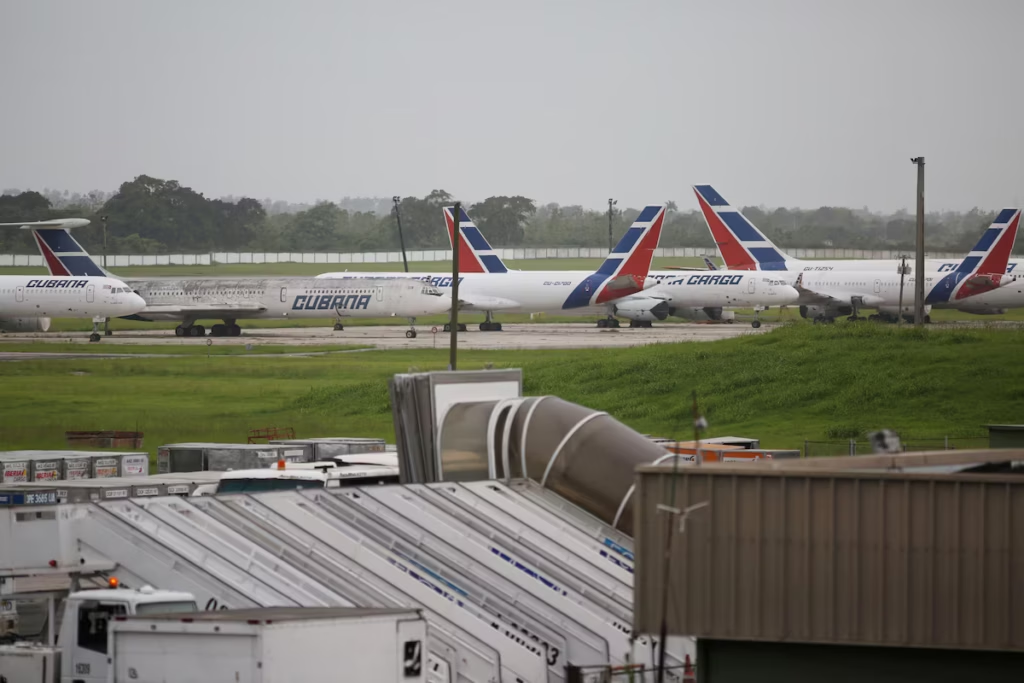
Air Canada announced on Monday the suspension of all its flights to Cuba, as the island faces an imminent aviation fuel shortage. This decision comes amid increased tensions over the country’s energy supply, which heavily depends on imports.
According to authorities and industry sources, this jet fuel shortage is linked to the tightening of restrictions imposed by theUnited States on oil exports from Venezuela, Cuba’s main historical supplier. These measures have significantly reduced the volumes of fuel available for civil aviation on the island.
Air Canada specified that it is working to repatriate approximately 3,000 passengers currently in Cuba by chartering special flights or rerouting customers through neighboring countries when possible. The airline also indicated it is closely monitoring the situation before considering resuming its routes.
Air transport is a key sector for the Cuban economy, particularly for international tourism, one of the country’s main sources of foreign currency. Any prolonged flight interruption risks worsening the economic difficulties the island is facing.
Cuba has depended on Venezuela for decades for a significant part of its energy supply. However, the combination of sanctions, Venezuela’s economic difficulties, and logistical constraints has weakened this link, exposing the island to recurring shortages.
In the short term, Cuban authorities are seeking alternative solutions to secure aviation fuel supply. But without a relaxation of external constraints or new energy agreements, air traffic disruptions could continue.