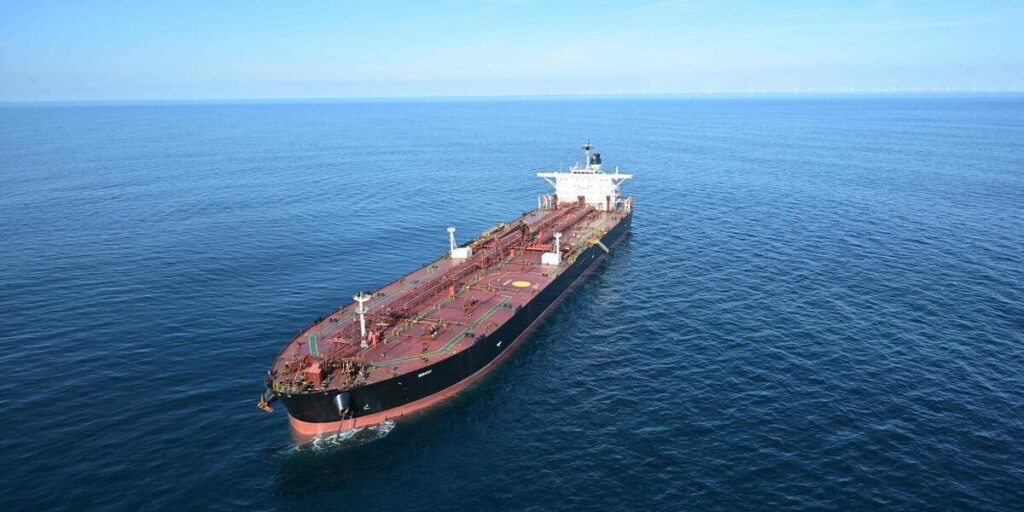
US President Donald Trump made an unexpected turnaround by authorizing the entry of a Russian oil tanker into Cuban waters, temporarily ending an oil blockade that had been strangling the island for several months.
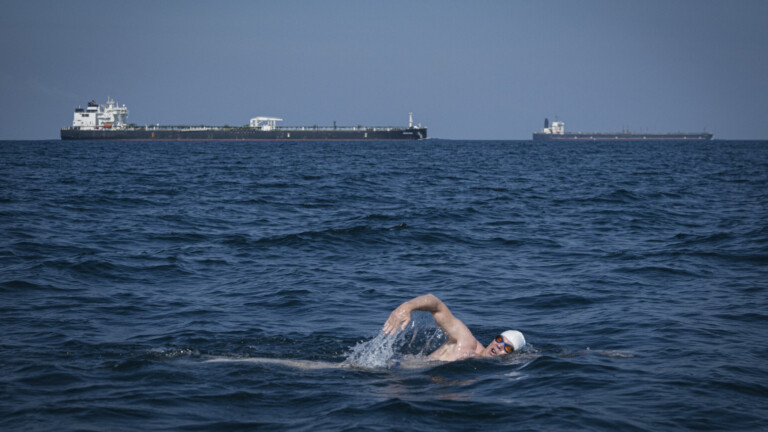
This decision comes as a Russian ship, under sanctions and belonging to Moscow’s “ghost fleet,” approaches a Cuban port with a crucial oil cargo for a country plunged into a severe energy crisis.
For nearly three months, Cuba had received no fuel deliveries, a direct consequence of American pressures that led to the halt of exports from Venezuela and Mexico. This situation caused massive power outages and strict gasoline rationing.
Speaking aboard Air Force One, Donald Trump stated he has “no problem” with countries, including Russia, delivering oil to Cuba, marking a clear break from the hardline stance previously adopted by Washington.
This change of course offers immediate relief to the Cuban economy, on the brink of paralysis, but constitutes only a temporary solution to a deeper structural crisis.
Behind this decision, some analysts mention a particularly tense international context, notably the war involving Iran, which is disrupting global energy markets and forcing the United States to adopt a more pragmatic approach.
This gesture could also reflect a desire to avoid worsening the humanitarian situation on the island, while adjusting the American strategy in light of current geopolitical balances.
While this oil delivery represents a breath of fresh air for Havana, it mainly highlights Cuba’s energy fragility and the limits of an economic pressure policy in a world marked by multiple interconnected crises.