The hope for a return to calm was brutally dashed in northern Nigeria. In Doma, a town in Katsina State, an agreement made six months ago between local authorities and armed men collapsed after a bloody attack that claimed the lives of at least 21 people, according to residents and local officials.
Last September, community leaders in Doma, faced with years of violence, decided to negotiate directly with bandits operating in the region. The goal was simple: to end raids, kidnappings, and looting to allow residents to safely resume their agricultural activities.
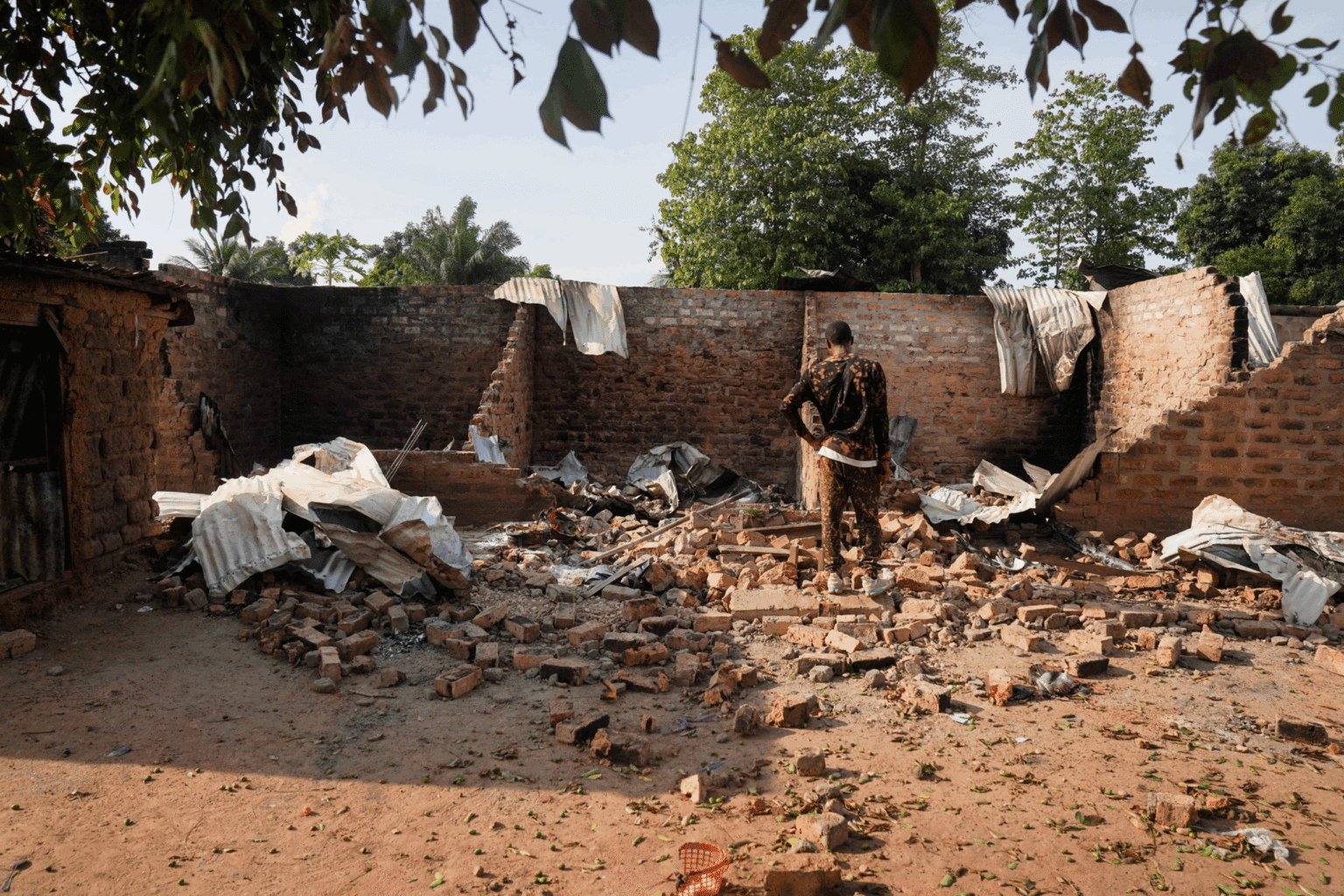
For several months, the truce seemed to hold. Attacks decreased and some farmers resumed cultivating their lands. But on February 3, armed men identified as belonging to the same group returned, launching a coordinated assault on the town. According to survivors, they opened fire from house to house, causing carnage and spreading panic among the population.
The attack highlighted the fragility of these local agreements, increasingly common in northern Nigeria, where communities try to compensate for the lack of state protection. In Katsina State, as in other northwestern regions, armed groups—often called “bandits”—carry out raids to steal livestock, kidnap civilians for ransom, or seize resources.
Local officials acknowledged that these pacts, concluded without legal framework or solid guarantees, exposed populations to serious risks. “When an agreement relies solely on the word of armed men, it can collapse at any moment,” said an elected official speaking anonymously.
Nigerian authorities claim to be intensifying military operations in the region, but residents fear new reprisals. For many, the Doma attack illustrates the complexity and brutality of a local conflict where the search for peace sometimes involves precarious compromises with potentially devastating consequences.