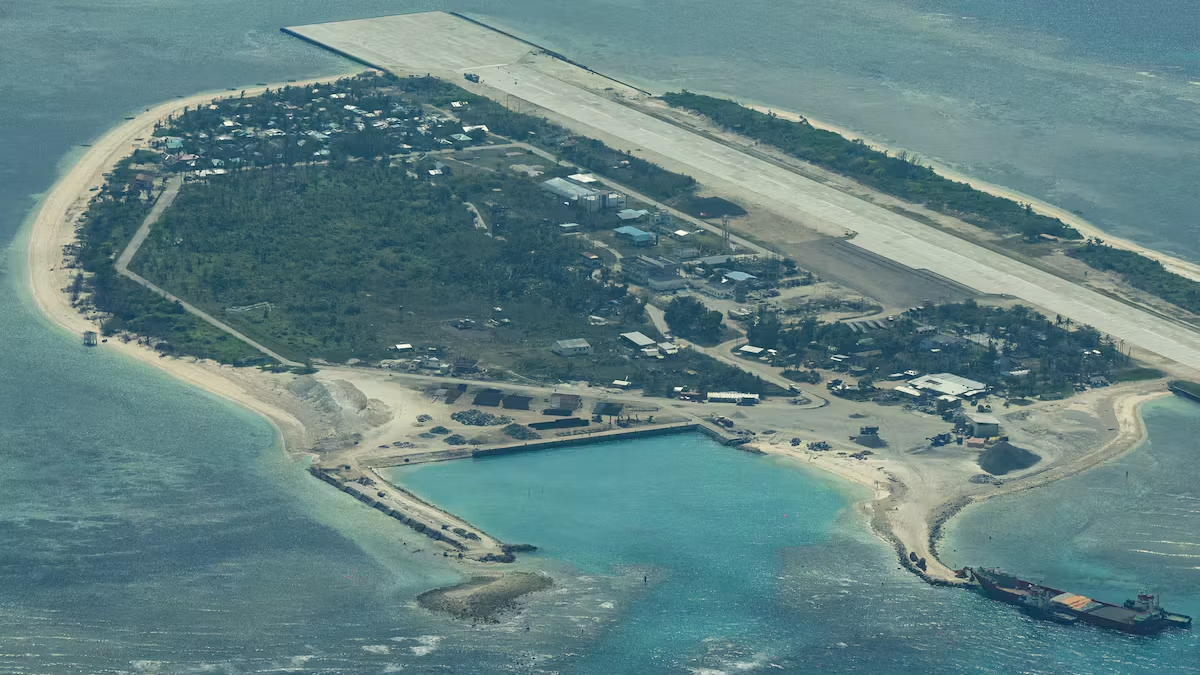
The Philippines and China have resumed high-level talks concerning the South China Sea, a highly disputed territory, in a context marked by energy tensions linked to the Middle East conflict. These exchanges aim to explore cooperation avenues, notably in the oil and gas sectors.
This new series of talks, the eleventh since the establishment of the bilateral consultation mechanism in 2017, marks the first meeting of this kind since January 2025. It comes as energy issues gain increasing importance in the region.
The Philippine Department of Foreign Affairs stated that Manila « firmly reiterated its principled positions, » expressing concerns about maritime incidents threatening Filipino fishermen and personnel. The country also emphasized respect for international law and the need to prioritize diplomacy.
Despite these ongoing disputes, both parties discussed possible cooperation in exploiting energy resources, notably oil and gas. They also highlighted the importance of ensuring stable access to energy and fertilizers amid disruptions in global supply chains.
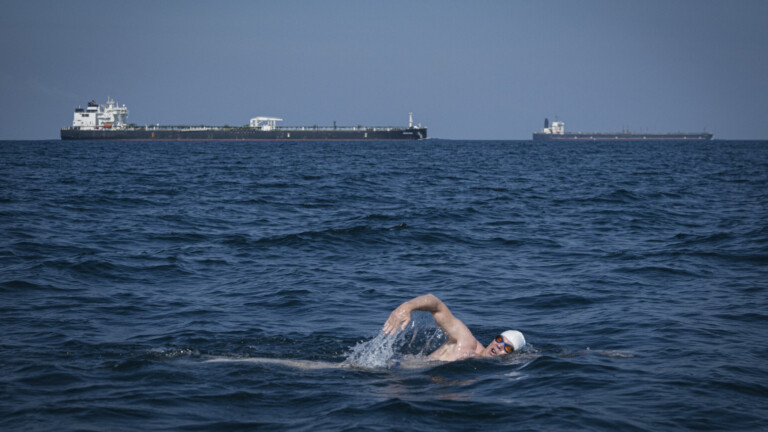
These discussions occur as Philippine President Ferdinand Marcos Jr. recently declared a national energy emergency. This decision follows disruptions in oil supplies caused by the Middle East conflict.
In response to these difficulties, Manila seeks to diversify its supply sources, including by turning to China. This strategy reflects economic pragmatism despite persistent territorial tensions between the two countries.
The resumption of dialogue between Beijing and Manila could thus pave the way for limited cooperation, even if disputes in the South China Sea remain deep. Between geopolitical rivalries and energy imperatives, the two powers attempt to find a fragile balance.