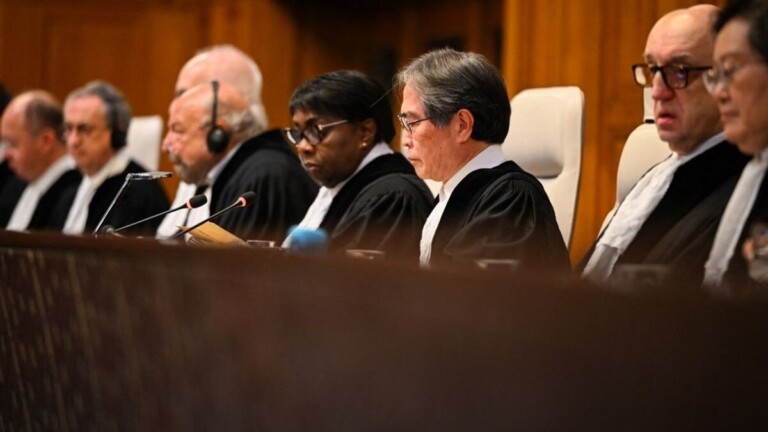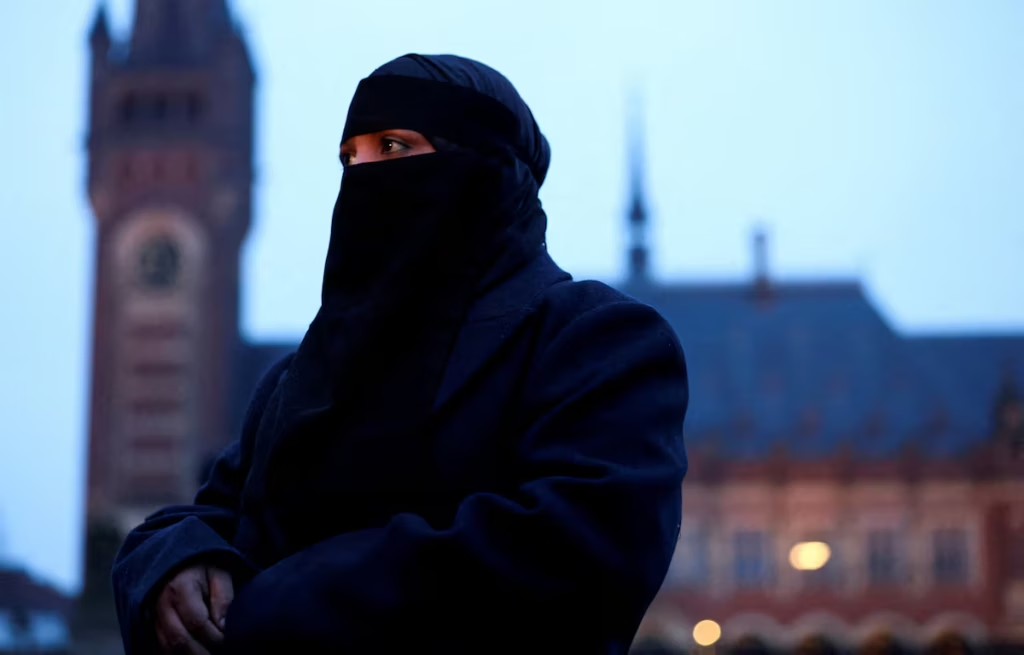
Rohingya survivors of the 2017 military crackdown in Myanmar say they expect the International Court of Justice to recognize that their community was a victim of genocide, following a case described as historic being heard in The Hague.
After several weeks of hearings, a judgment is expected within three to six months. The decision of the United Nations’ highest court could have implications far beyond the Myanmar case, notably influencing other international proceedings related to genocide accusations, such as the one initiated by South Africa against Israel concerning the Gaza war.
The case was brought before the ICJ by The Gambia, which accuses Myanmar of violating the Convention on the Prevention and Punishment of the Crime of Genocide. In their final pleadings, Banjul’s lawyers stated that the behavior of Burmese authorities in 2017 could only reasonably be explained by an intent to annihilate the Rohingyas as a group.
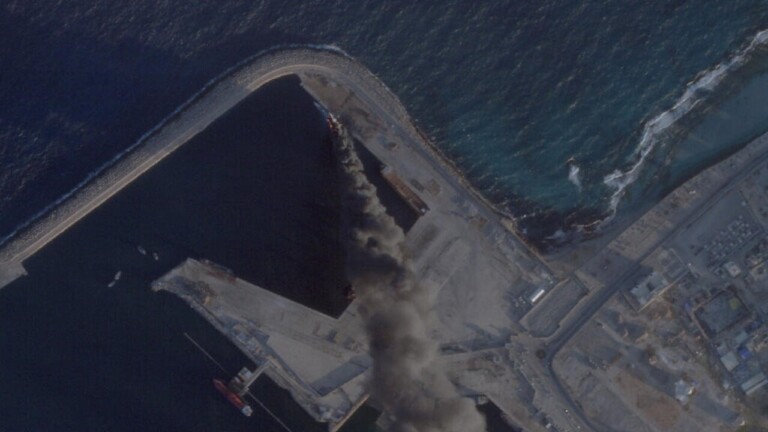
Myanmar rejects these accusations. It argues that the military offensive conducted in Rakhine State, which caused at least 730,000 Rohingyas to flee to Bangladesh, was a legitimate counterterrorism operation targeting armed groups. Burmese authorities have also challenged the credibility of international investigations, deeming their conclusions biased and insufficient to establish the existence of genocide.
For survivors, legal recognition would be a decisive step. Yousuf Ali, a 52-year-old Rohingya refugee, states that the world witnessed the systematic destruction of their villages, mass killings, mass rapes, and forced displacements. A United Nations fact-finding mission had already concluded that the 2017 offensive included « genocidal acts. »
The Gambian Minister of Justice, Dawda Jallow, called on the court to reject Myanmar’s arguments, stating that a judgment recognizing the genocide would help break a « cycle of atrocities and impunity. » For many Rohingyas, this decision could finally pave the way for justice and international recognition of their suffering.