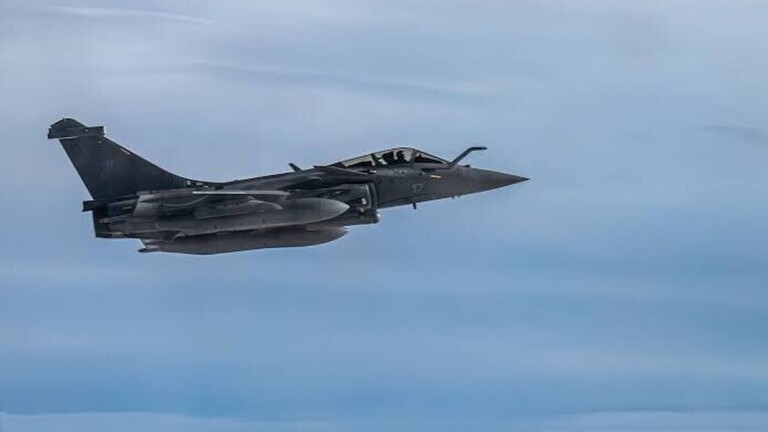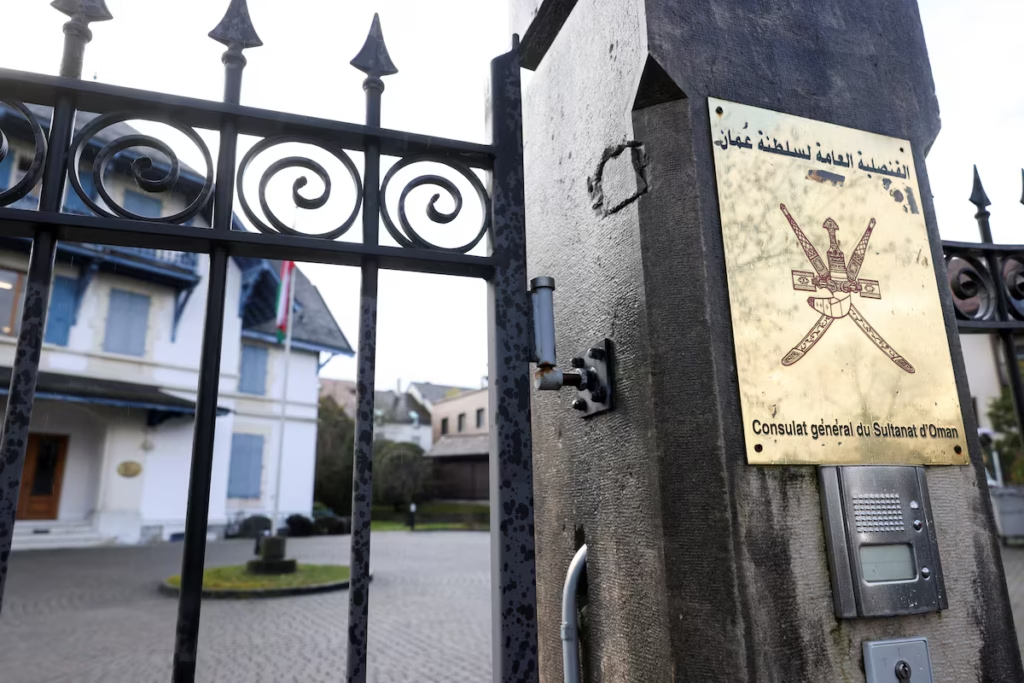
The United States and Iran begin a new round of indirect nuclear negotiations on Tuesday in Geneva, amid a tense atmosphere marked by increased presence of U.S. military forces in the region. These talks, mediated by the Sultanate of Oman, aim to break a diplomatic deadlock that has lasted several years.
On the Iranian side, the delegation is led by Foreign Minister Abbas Araghchi, while the United States is represented notably by Steve Witkoff and Jared Kushner, according to a source close to the matter. The exchanges are held behind closed doors and remain indirect, with each side communicating through the Omani mediators.
U.S. President Donald Trump stated that he would follow the discussions “indirectly” and expressed confidence that Tehran wished to reach an agreement. However, he recalled that the United States had previously used B-2 bombers against Iranian nuclear targets, leaving the threat of a new intervention in case of failure.
On its side, Iran, weakened by airstrikes, internal tensions, and a sanctions-hit economy, primarily seeks relief from U.S. punitive measures. Tehran recently indicated it had suspended certain enrichment activities while maintaining that its nuclear program is for civilian purposes.
Alongside talks with Washington, Abbas Araghchi is also scheduled to meet with the Director General of the International Atomic Energy Agency (IAEA) to discuss technical aspects and cooperation with the UN agency.
These talks take place in a volatile regional context. Several Gulf countries have warned against an escalation that could ignite the Middle East. For both parties, the stakes are high: to avoid military confrontation while securing acceptable political and security guarantees.