The ASEAN summit will indeed take place in May, but with a program reduced to the essentials due to tensions related to the conflict in the Middle East.
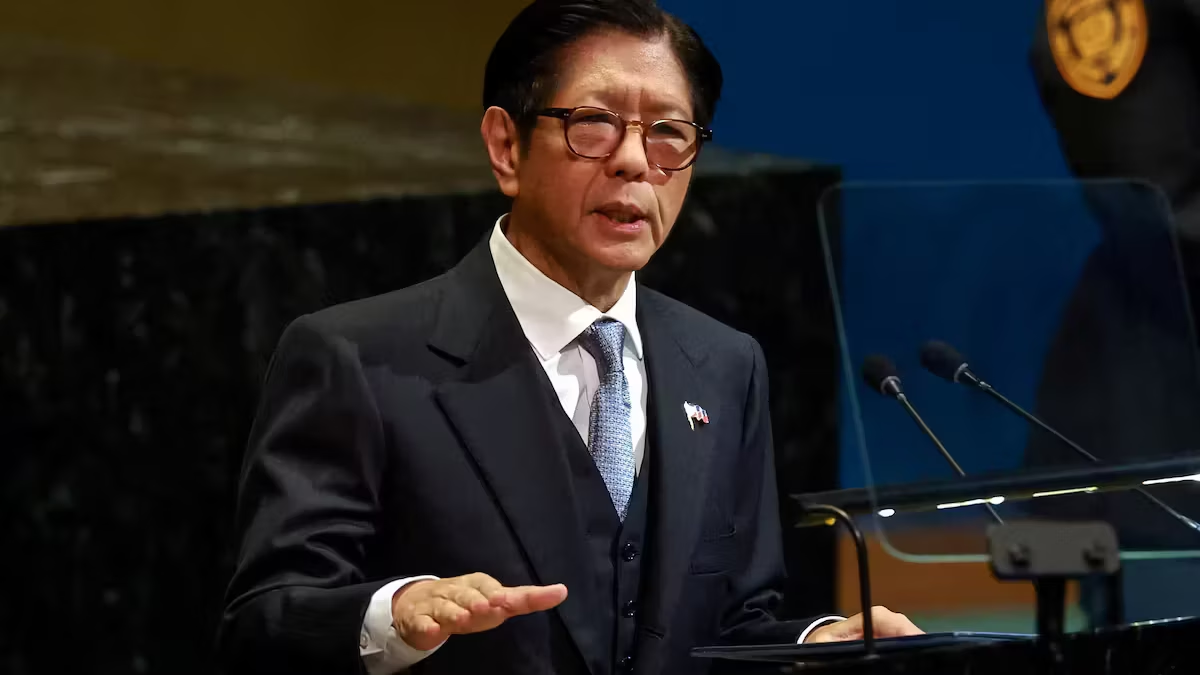
Philippine President Ferdinand Marcos Jr. indicated that he consulted other regional leaders, some of whom had considered postponing the meeting.
Ultimately, member countries chose to maintain the summit while adopting a « minimalist » format to focus on urgent priorities.
Among the main topics addressed will be fuel supply security, rising food prices, and the situation of migrant workers.
These issues are directly impacted by the economic and logistical disruptions caused by the conflict in the Middle East.
This decision illustrates the willingness of Southeast Asian countries to preserve regional dialogue despite an unstable international context.
It also reflects growing economic concerns in the region, which is heavily dependent on energy imports.
The summit’s scaled-down format demonstrates a pragmatic adaptation to an uncertain geopolitical situation.
Discussions are thus expected to focus on concrete measures to limit the crisis’s effects on local economies.
This diplomatic meeting remains a key moment to coordinate the regional response to current challenges.