A 16-year-old girl, who had publicly pleaded for the release of her father detained in an immigration case in Chicago, died Friday from a rare and aggressive cancer, her family announced.
Ofelia Giselle Torres Hidalgo suffered from stage 4 alveolar rhabdomyosarcoma, a severe form of soft tissue cancer diagnosed in December 2024. She was undergoing treatment combining chemotherapy and radiotherapy. The funeral will be held privately.
Three days before his death, an immigration judge in Chicago ruled that his father, Ruben Torres Maldonado, could, under certain conditions, be granted a "waiver of deportation" due to the difficulties his removal would cause his children, who were born in the United States and are American citizens. This decision paves the way for obtaining legal permanent resident status and potentially American citizenship, according to the family's lawyer.
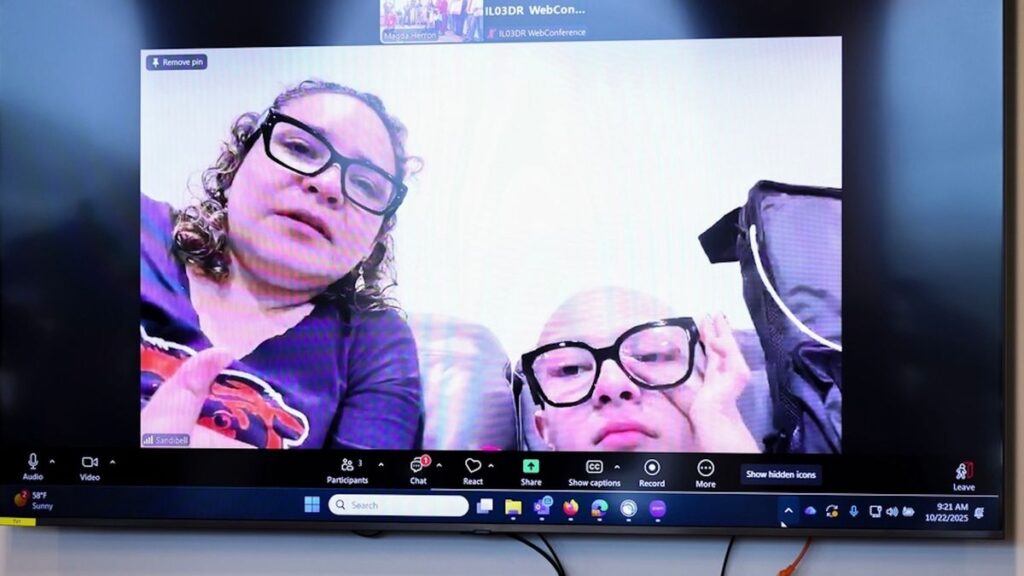
Ofelia attended the hearing remotely, via Zoom. Her lawyer, Kalman Resnick, praised her courage, stating that she had shown exemplary determination in the face of her father's detention by immigration services.
Ruben Torres Maldonado, a house painter and renovator, was arrested on October 18 at a Home Depot store in a Chicago suburb as part of a large-scale immigration enforcement operation. In October, a judge ruled that his detention violated his right to due process and ordered a bail hearing. He was ultimately released on $2,000 bail, the court noting his lack of a criminal record.
Federal authorities argued that he had been living illegally in the United States since his arrival in 2003 and cited traffic violations, including driving without a valid license, without insurance, and speeding.
In a video posted in October on a fundraising page, Ofelia denounced what she considered an injustice against working immigrant families. Weakened by illness, she spoke from a wheelchair, appealing for clemency for her father and for recognition of the sacrifices made by many families who had settled in the United States.