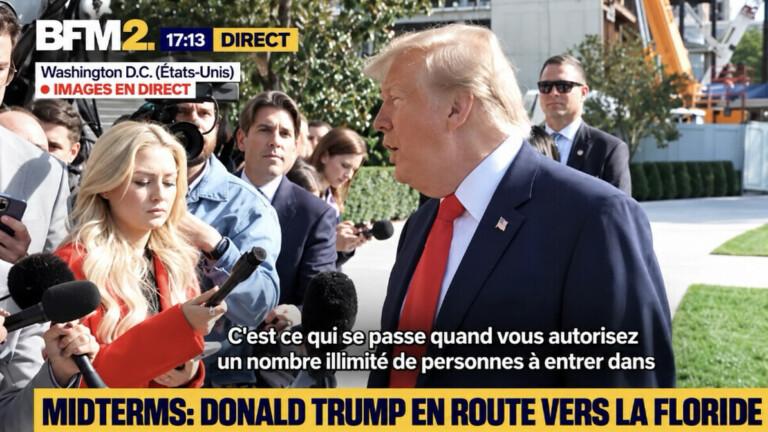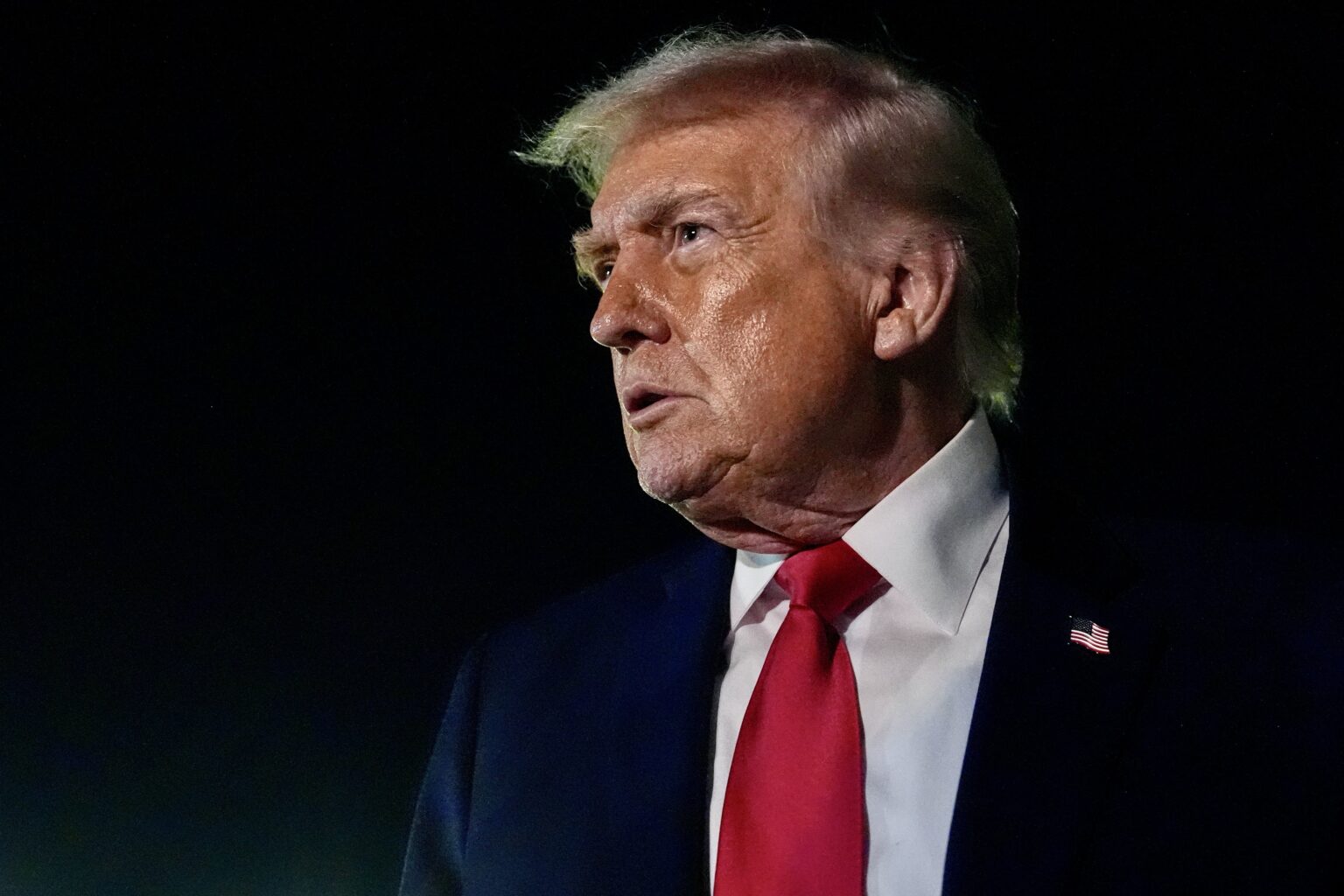
American President Donald Trump announced his intention to impose 200% tariffs on French wines and champagnes. This is a response to Emmanuel Macron’s circle, which indicated that France “does not intend to give a favorable response” to the American invitation to join a new body called the “Peace Council”, designed to coordinate initiatives for resolving international conflicts.
A direct response to Paris’s refusal
In Florida, Donald Trump explained that these extreme taxes aim to pressure Paris to participate in the Peace Council, while specifying that membership is “not mandatory”. He stated that this measure could lead Emmanuel Macron to reconsider his position, despite France’s initial refusal.
According to Donald Trump, several leaders, including Russian President Vladimir Putin, have been invited to join this body. Participating countries would be subject to a contribution of one billion dollars for a permanent seat. This initiative is seen by some analysts as a project that could compete with the historic role of the United Nations in resolving global crises.
What consequences?
Tariffs on French wines and champagnes, emblematic products of the French economy, could cause a significant drop in exports to the American market, which represents a strategic outlet for the French wine sector.
Several European capitals have confirmed receiving invitations to join the Peace Council without specifying whether they intend to participate. This reservation reflects diplomatic caution towards the American initiative and its mode of operation, considered questionable by some observers.
Uncertainty surrounding trade relations
The announcement of punitive 200% tariffs increases uncertainty about the future of trade exchanges and political relations between the United States and Europe. The coming days will be decisive to know the official reaction of Paris and the European Union, and to assess the economic and geopolitical impact of this measure.