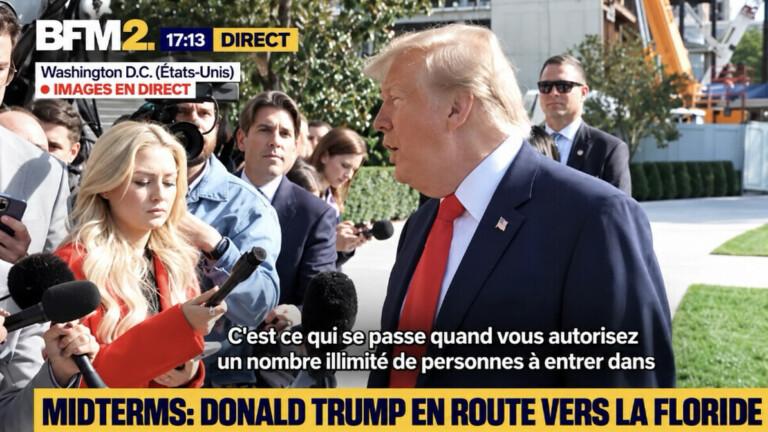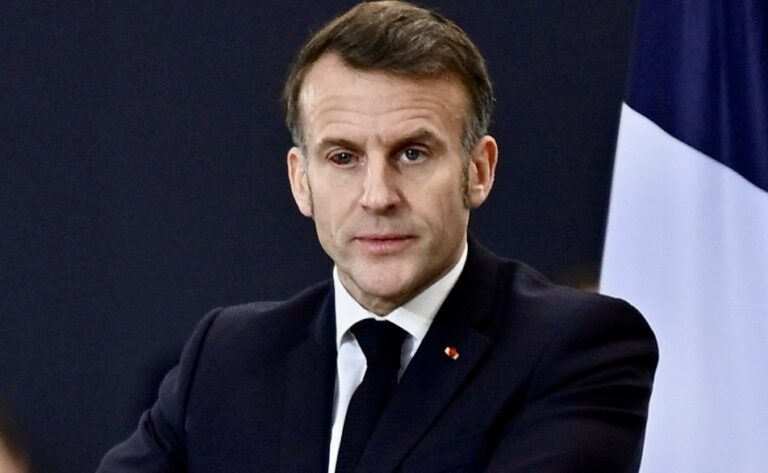
In response to statements by U.S. President Donald Trump aiming to impose new tariffs on several European countries, including France, President Emmanuel Macron announced that he would request on behalf of France the activation of the European Union’s “anti-coercion instrument” if these tariff measures were indeed implemented.
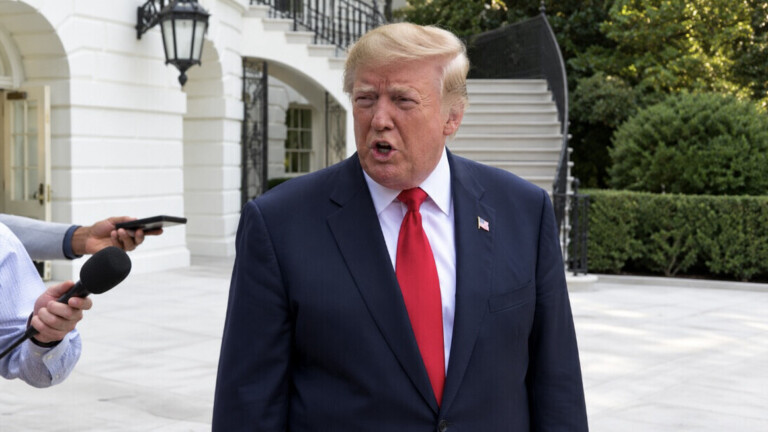
As a reminder, Donald Trump threatened eight European countries—France, Germany, United Kingdom, Denmark, Sweden, Norway, Netherlands, and Finland—with a 10% surcharge on all goods exported to the United States starting February 1, 2026, a measure that could reach 25% in June and remain in place “until an agreement is reached on the purchase of Greenland”, according to sources reported by The Guardian.
This American initiative, linked to tensions around Greenland where several European countries have deployed military personnel as part of a NATO exercise, is seen in Brussels as an unprecedented commercial blackmail.
The anti-coercion instrument: a lever never used but central to the debate
The EU’s “anti-coercion instrument,” sometimes called a “trade bazooka”, is an economic tool designed to enable the Union to respond to unfair or unilateral trade pressures from third countries. It offers the possibility, under certain conditions and with the agreement of a qualified majority of member states, to block third countries’ access to European public procurement markets or restrict certain investments, as well as other trade retaliation measures.
While activating this instrument requires an internal EU procedure, the French president said he was ready to make the official request “in constant contact throughout the day with his European counterparts” to coordinate a collective response. According to statements from his entourage, the goal is to adopt a firm defense position of European interests if Washington’s tariff threats materialize.
“Unacceptable threats”
Emmanuel Macron has already described Donald Trump’s tariff threats as “unacceptable” and stated that “Europeans will respond in a united and coordinated manner”. He reaffirmed France’s commitment to the sovereignty and independence of nations, while emphasizing that the situation raises the question of respecting international trade principles.