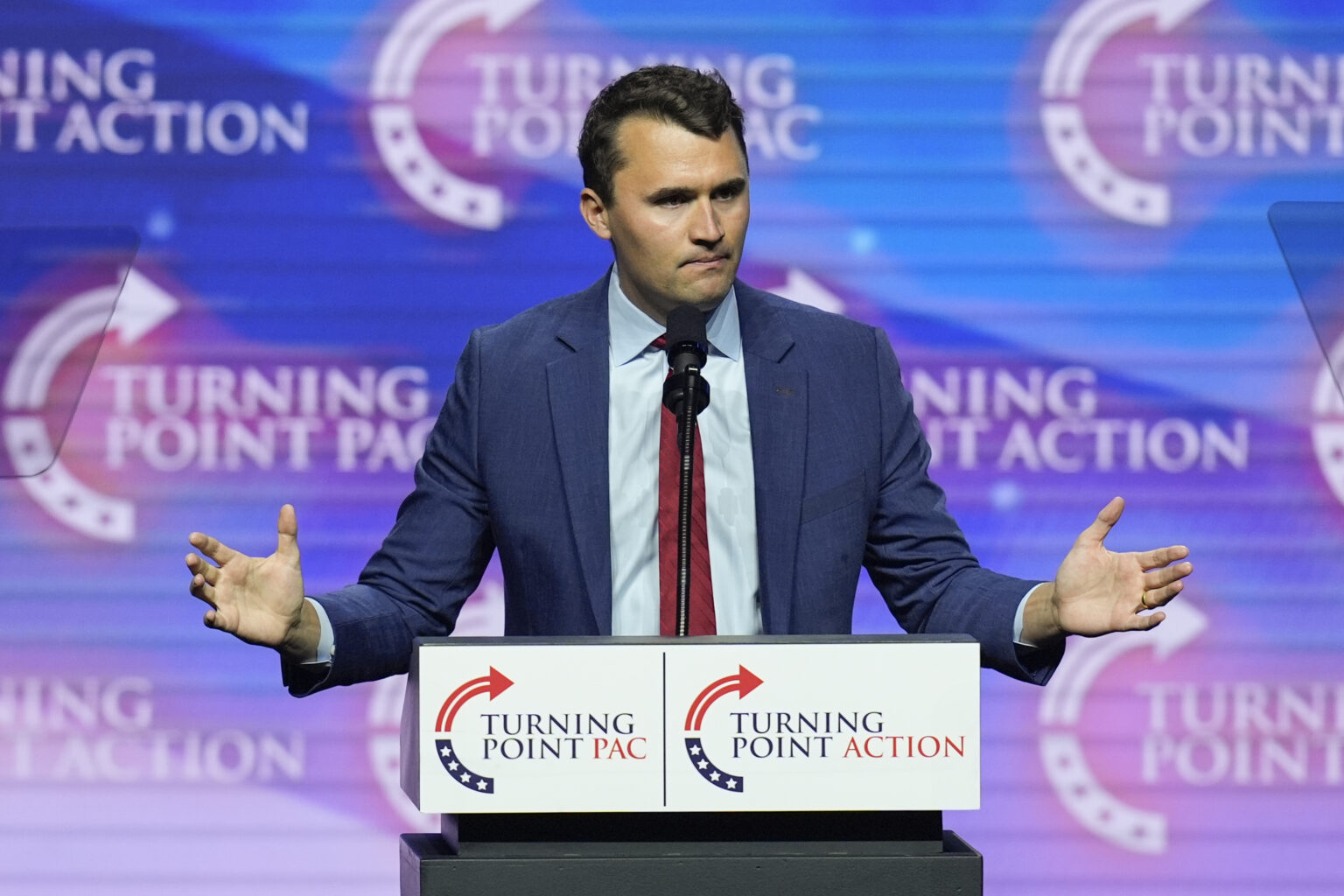
The murder of Charlie Kirk , a rising figure in American conservatism and a close ally of Donald Trump , continues to send political shockwaves on both sides of the Atlantic. While some European politicians called for a minute of silence in his memory, the European Parliament rejected this request, sparking a heated controversy.
An assassination that shocks America and Europe
Charlie Kirk, 31, founder of the Turning Point USA movement, was fatally shot in the throat by a sniper during a public meeting. A highly influential figure on the American right and a staunch supporter of Donald Trump, he embodied a new generation of conservative activists. His brutal death sparked a wave of emotion in the United States, but also in Europe, where his divisive positions were already the subject of debate.
Request for a minute of silence in the European Parliament
In Strasbourg, several far-right MEPs called for an official tribute. They said Parliament should show its solidarity in the face of political violence by observing a minute's silence. Swedish MEP Charlie Weimers stressed the importance of defending freedom of expression, even for controversial voices.
In other institutions, such as the US Congress, symbolic tributes had already been paid. It was in this sense that Kirk's European supporters hoped to see Parliament join in this process.
A refusal that provokes the anger of far-right elected officials
The chair rejected the proposal, explaining that this type of commemoration had to be announced at the opening of plenary sessions, and that it was therefore too late to add it to the agenda. This decision immediately sparked fury among far-right MPs, who pounded their desks in protest.
Opposite, a large part of the chamber applauded the president, thus signaling their support for the refusal of this tribute. Tensions quickly rose, revealing a deep political divide within the assembly.
The arguments of both sides
Supporters of the memorial emphasize that Charlie Kirk was the victim of an unacceptable act of political violence and that the European Parliament must strongly condemn such crimes. They believe the institution missed an opportunity to reaffirm its commitment to freedom of expression.
Conversely, opponents point out that Kirk was not a neutral figure. His controversial positions, particularly his virulent criticism of Ukrainian President Volodymyr Zelensky, fueled the controversy. For some MEPs, the European Parliament was not intended to officially honor such a divisive figure. A strange argument, since every politician is by definition divisive, which should never justify assassination...