

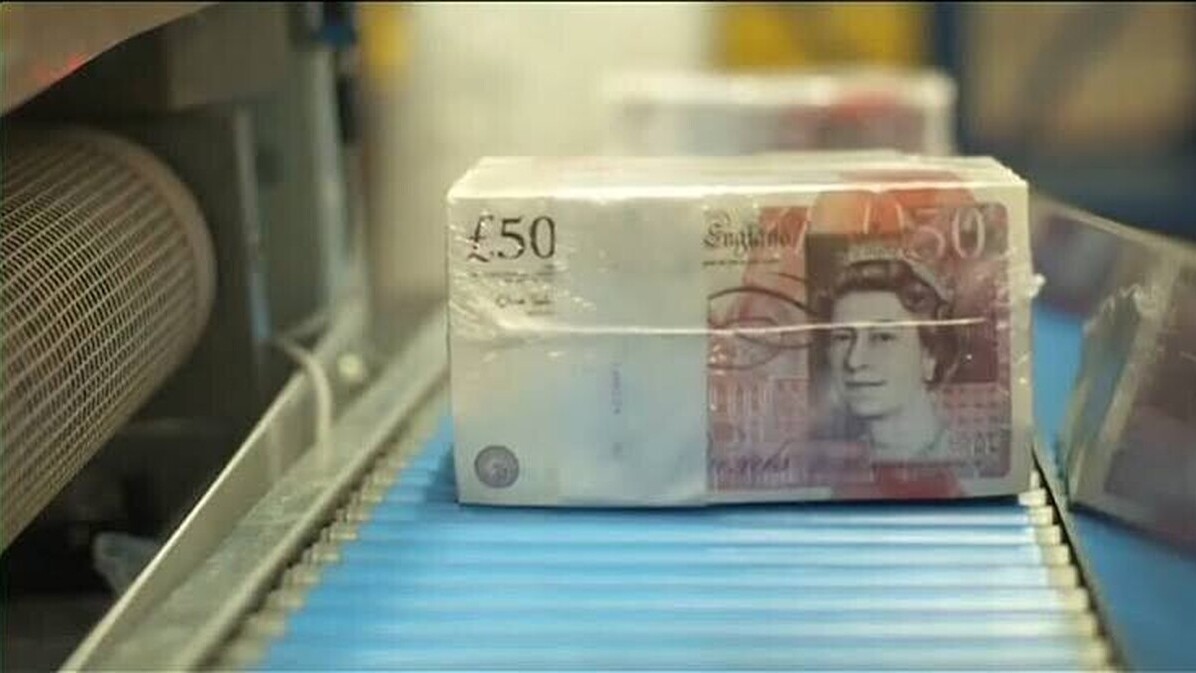
On Wednesday, November 4, 2026, the pound sterling reached its highest level since the June 2016 Brexit referendum. Driven by expectations of an interest rate hike, British growth, and the weakening of the dollar, the currency benefits from renewed investor confidence. This development favors imports but could bring new challenges for borrowing households.
The British currency is experiencing a significant resurgence in strength on financial markets. According to data from the Bank of England reported Wednesday by the BBC, the index measuring the pound sterling’s value against a basket of 18 major international currencies reached 86.4 points. This is its highest level, tied with a previous peak, since the June 23, 2016 referendum in which Britons voted to leave the European Union. This index, with a base of 100 corresponding to the year 2005, allows assessment of the currency’s overall strength beyond its fluctuations against the dollar or euro alone.
The rise is also observed in major currency pairs. On Wednesday morning, the pound gained about 0.6% against the dollar, reaching $1.3495, its highest level in seven weeks. It also edged up slightly against the euro, which traded around 83.43 pence. This increase occurs amid dollar weakness following the Democrats’ victory in the U.S. midterm elections. Investors are reassessing the U.S. economic and fiscal outlook, which supports several European currencies.
The Bank of England at the Heart of Expectations
One of the main drivers of this appreciation lies in expectations regarding British monetary policy. The Bank of England is set to announce its interest rate decision on Thursday, November 5. Markets widely anticipate a 0.25 percentage point increase, which would raise its main policy rate from 3.75% to 4%. This would be the first hike in over three years, following a period during which the central bank had gradually eased monetary policy.
Higher interest rates can make pound-denominated investments more attractive to international investors. This prospect encourages purchases of the British currency and supports its price. However, several analysts warn against excessive optimism. Goldman Sachs notably considers that rate hike expectations are already particularly high compared to those in other major economies. A less restrictive decision than expected could therefore lead to an adjustment of the pound.
A Better-Than-Expected British Economy
Beyond monetary policy, investors also seem to view the UK’s economic prospects more favorably. British growth exceeded expectations during the early months of 2026, despite international tensions and rising energy prices. Some operators also cite relative political stability and the rapprochement with the European Union as factors contributing to improved perception of the country.
This development contrasts with the years following the Brexit referendum. The pound had sharply fallen after the June 2016 vote, then experienced further weakness during the EU exit negotiations. The Covid-19 pandemic subsequently weighed on economic prospects, while the mini-budget presented by Liz Truss’s government in 2022 triggered a confidence crisis in financial markets. The currency’s return to its highest level since the referendum is therefore an important signal, without implying that the economic consequences of Brexit have disappeared.
Good News for Imports and Travel
For British consumers, a stronger pound offers several advantages. It reduces the cost in national currency of products purchased abroad, notably raw materials, certain electronic equipment, and imported goods. It can thus help limit inflation, although effects on retail prices are neither immediate nor automatic. Companies dependent on foreign suppliers may also benefit from reduced expenses.
Britons traveling abroad have greater purchasing power when the pound appreciates against local currencies. Trips to the United States and eurozone countries can become relatively less expensive. Conversely, this trend poses a challenge for British exporting companies, whose products may become more costly for foreign customers. Tourism in the UK could also be affected if international visitors have to spend more on their stays.
The Risk of Higher Mortgage Costs
The pound’s strengthening occurs in a less favorable context for indebted households. If the Bank of England raises rates, borrowers with variable-rate mortgages could face higher monthly payments. Households reaching the end of fixed-rate loans may also have to negotiate less advantageous financing conditions. According to estimates cited in the British press, about 2.3 million households will need to renew their mortgage loans during 2027.
The central bank must therefore find a balance between fighting inflation and preserving economic activity. Rising energy and fuel prices continue to weigh on purchasing power, while consumer confidence shows signs of fragility. Currency strengthening can help ease some inflationary pressures but does not necessarily offset the increased cost of credit for households.
An Economic Symbol Ten Years After Brexit
The pound’s rise comes just over ten years after the vote that profoundly changed relations between the UK and the European Union. Since 2016, the British currency has regularly reacted to political uncertainties, trade negotiations, and monetary policy decisions. Its return to a peak on the trade-weighted index reflects an improvement in its relative position against major international currencies.
This development should nonetheless be interpreted with caution. The 86.4-point index measures the pound’s external value, not the living standards of Britons or the country’s real wealth. The Bank of England’s decision, expected Thursday, will be a decisive next step. It will reveal whether market expectations materialize and if the British currency can maintain its momentum in the coming weeks.









Respond to the article
Be the first to comment on this article.