

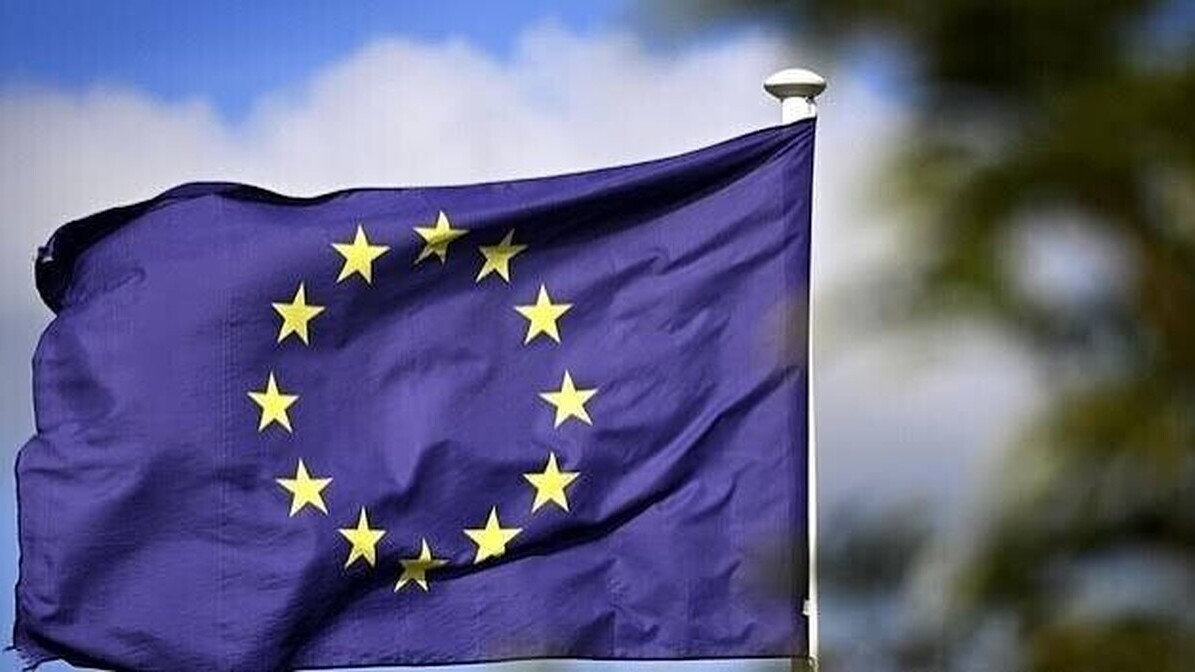
Montenegro is moving closer to a historic accession to the European Union. In its annual enlargement report published on Wednesday, November 4, 2026, the European Commission estimates that the Balkan country could complete its accession negotiations before the end of the year and sign a treaty as early as summer 2027. This prospect would allow this small state to join the Union in 2028, subject to continued reforms and the agreement of the 27 member states.
The European Union could welcome a new member state for the first time since Croatia’s accession in 2013. In its annual enlargement report, the European Commission praised the progress made by Montenegro, now considered the most advanced candidate country in its integration process. Brussels believes negotiations could be completed by December 31, 2026, paving the way for the signing of an accession treaty as early as June 2027. If this timeline is met, Montenegro could become the 28th member of the European Union in 2028. This prospect represents a major step forward for this country of approximately 630,000 inhabitants, which has been engaged for several years in rapprochement with European institutions.
The European Commissioner for Enlargement, Marta Kos, highlighted the progress made by Podgorica in implementing the reforms required by Brussels. According to the Commission, 21 negotiation chapters have already been provisionally closed. The remaining chapters could be closed before the end of the year, provided member states give their approval and Montenegrin authorities continue their efforts. The Commission considers that the country is now approaching the final stage of its accession process. However, the 2028 date remains a target and not a definitive decision. Entry into the Union will notably require ratification of the accession treaty by all 27 member states.
Decisive reforms to join the European Union
Montenegro’s progress notably concerns the rule of law, the fight against corruption, and the strengthening of public institutions. These areas constitute essential criteria for countries wishing to join the European Union. Brussels particularly emphasizes the need to guarantee judicial independence, strengthen control mechanisms, and continue administrative reforms. The Commission also calls on the Montenegrin government to maintain broad political consensus around accession. Partisan divisions could indeed slow the adoption of the final measures necessary to close negotiations.
Montenegro’s integration process began well before this week’s announcements. The country obtained candidate status for the European Union in 2010, before officially opening accession negotiations in 2012. Since then, authorities have progressively adapted their legislation to European standards. Montenegro has also been a NATO member since 2017, reflecting its strategic rapprochement with Western institutions. Its accession to the European Union would represent a new step in this diplomatic orientation, in a Western Balkans region where European trajectories remain mixed.
A signal sent to other Balkan countries
For the European Commission, Montenegro’s advances should also serve as an example to other candidate countries. Brussels wishes to demonstrate that implementing reforms can lead to a concrete prospect of accession. Albania is also among the most advanced countries, aiming to conclude its negotiations by the end of 2027. Moldova and Ukraine have also made progress despite particularly difficult political and security contexts. These four countries now benefit from indicative roadmaps intended to clarify the next steps in their rapprochement with the Union.
The situation appears more complicated, however, for several other candidates. Serbia, Bosnia and Herzegovina, and North Macedonia still face significant institutional and political obstacles. Kosovo continues to face difficulties related to its status and relations with Belgrade. As for Turkey, its accession negotiations remain practically frozen. In this context, Montenegro could become the first Western Balkans country to join the Union since Croatia. Such accession would strengthen the European presence in this strategic region, located between Central Europe, the Mediterranean, and the continent’s eastern borders.
An enlargement that has become a major geopolitical issue
The European Commission now presents enlargement as an instrument of security and stability. The war in Ukraine, international tensions, and attempts at foreign interference have reinforced the strategic importance given to integrating neighboring countries. The Union’s High Representative for Foreign Affairs, Kaja Kallas, notably emphasized the role an enlarged Union could play in strengthening its diplomatic and economic influence. The gradual integration of candidate countries already concerns several sectors, including energy, transport, digital, and defense. For Montenegro, accession would allow full participation in European institutions and access to new economic opportunities.
The prospect of entry in 2028 remains, however, conditioned on several political decisions. After the conclusion of negotiations, the accession treaty will need to be finalized, signed, and ratified according to each member state’s procedures. Montenegro will also have to demonstrate that the adopted reforms produce lasting results. For Brussels, the challenge is to maintain the credibility of the enlargement process while preserving the democratic requirements imposed on candidates. Thirteen years after Croatia’s entry, Montenegro could thus open a new phase of European integration and revive accession prospects for other Western Balkan countries.






Respond to the article
Be the first to comment on this article.