

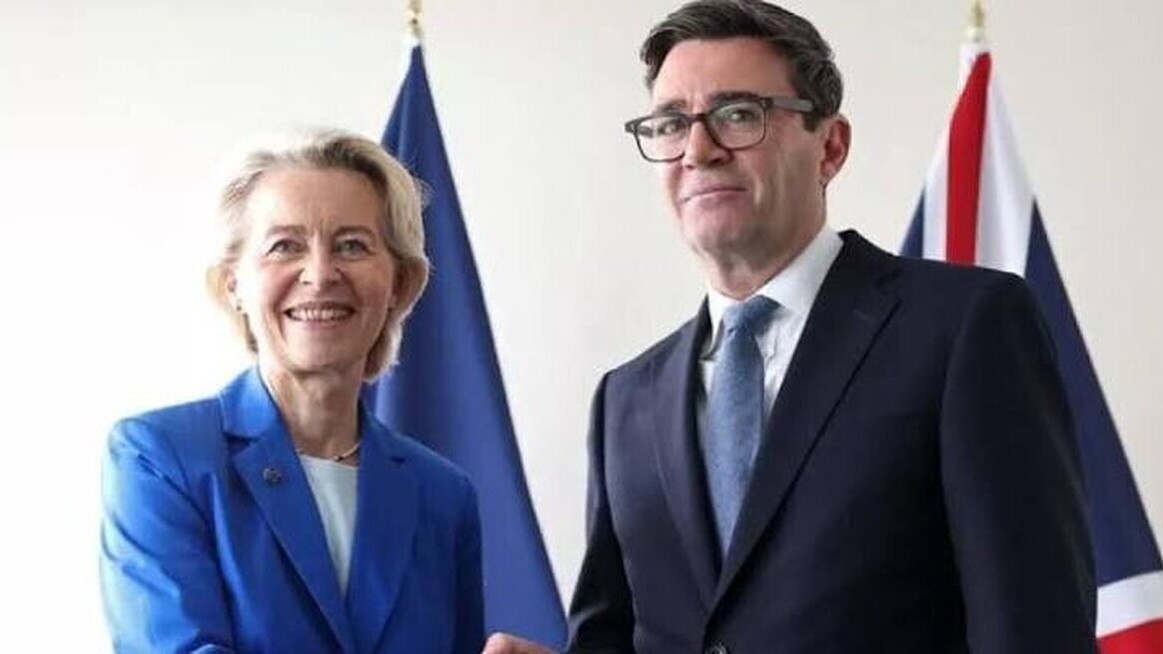
London and Brussels have reached a preliminary agreement on a text aimed at facilitating trade in food and agricultural products. Presented on Tuesday, November 3, 2026, this project provides for the removal of a large part of the sanitary controls and administrative formalities established after Brexit. An important step forward in the economic rapprochement between the United Kingdom and the European Union, although several steps remain necessary before its implementation.
The United Kingdom and the European Union are taking a new step in normalizing their trade relations. After several months of negotiations, the two parties have agreed on a sanitary and phytosanitary agreement project, intended to remove much of the administrative obstacles complicating trade since the UK’s exit from the European single market. Approximately 200 pages long, the document was sent to representatives of the EU member states ahead of a meeting scheduled for Wednesday, November 4, in Brussels. It notably provides for the removal of many sanitary certificates, systematic veterinary checks, and certain border inspections. For British companies, these formalities have represented additional costs and delays for several years, potentially weakening their competitiveness in the European market.
The project mainly concerns food products, animals, plants, and agricultural goods. Several British products whose export to the European Union had become difficult or even impossible could regain simplified access to the continental market. This notably includes fresh sausages, certain meat-based preparations, shellfish, and seed potatoes. Exporters could also be exempted from sanitary certificates currently costing about 200 pounds sterling, as well as phytosanitary documents charged around 25 pounds. The British government estimates that this rapprochement could eventually generate up to 5.1 billion pounds in annual economic benefits. However, these gains remain forecasted and will depend on the final terms of the agreement and its implementation.
An economic rapprochement that involves British concessions
In exchange for this trade simplification, London will have to accept alignment with a significant part of European regulations concerning food safety, animal health, and phytosanitary standards. This alignment would be dynamic, meaning that the relevant British rules should evolve with future changes in European legislation. This provision represents a notable change compared to the policy defended by Conservative governments after Brexit, which favored greater regulatory autonomy. The project could also have significant consequences for Northern Ireland, where controls on certain goods coming from Great Britain have caused numerous political and economic tensions. The reduction of these formalities would facilitate supplies for Northern Irish companies, even if all customs controls would not disappear.
This project is part of a broader strategy of rapprochement between London and Brussels. The two parties are also working on cooperation concerning carbon markets, electricity exchanges, and a mobility scheme intended for young Europeans and Britons. Several questions remain open, notably the financial conditions for European students’ access to British universities and the number of beneficiaries authorized to participate in the future mobility program. A summit between the United Kingdom and the European Union is scheduled for November 20 in Brussels to advance these various dossiers. The trade agreement will then have to pass the necessary legal steps before coming into force, now envisaged at the beginning of 2028. This development does not mean a return of the United Kingdom to the European Union or the single market, but it could significantly reduce some economic consequences of Brexit, nearly seven years after its implementation.





Respond to the article
Be the first to comment on this article.