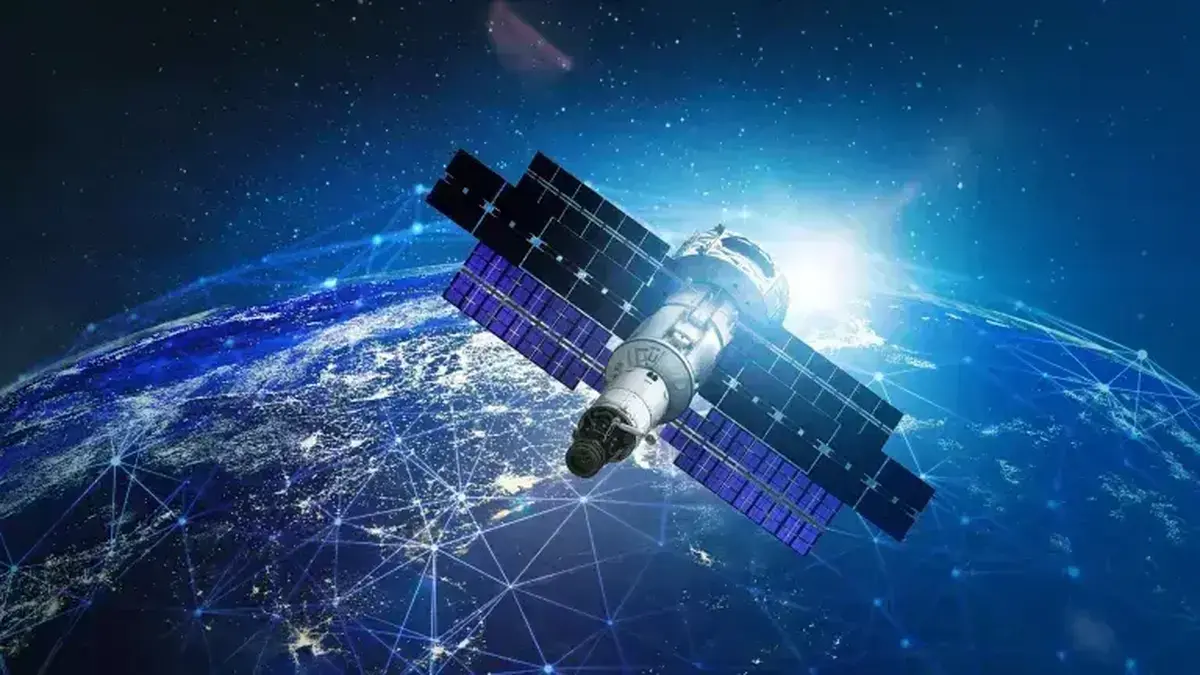
Amazon’s satellite constellation project shows a record manufacturing pace but struggles to meet deployment commitments due to repeated issues with its launch vehicles. The commercial service is not expected before 2026.
A thousandth satellite assembled, a factory capable of producing 27 per week where it initially took six months for the same number: on paper, Amazon Leo demonstrates impressive industrial scaling from its Kirkland site in Washington state. However, this production pace contrasts with a much more modest orbital reality: only 396 satellites are currently operational, a figure unchanged since early July.
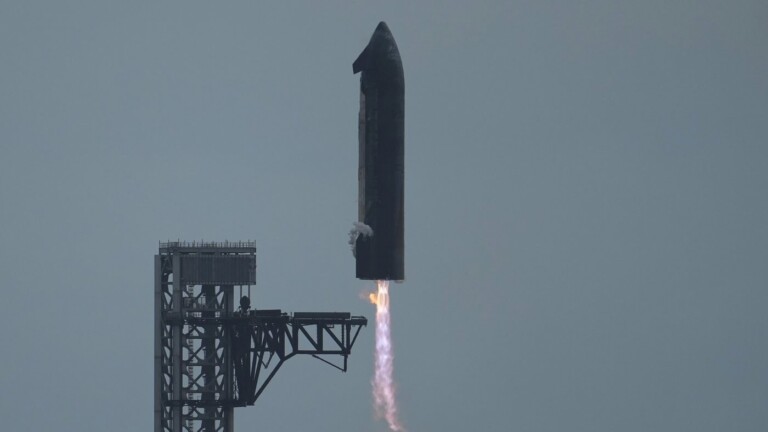
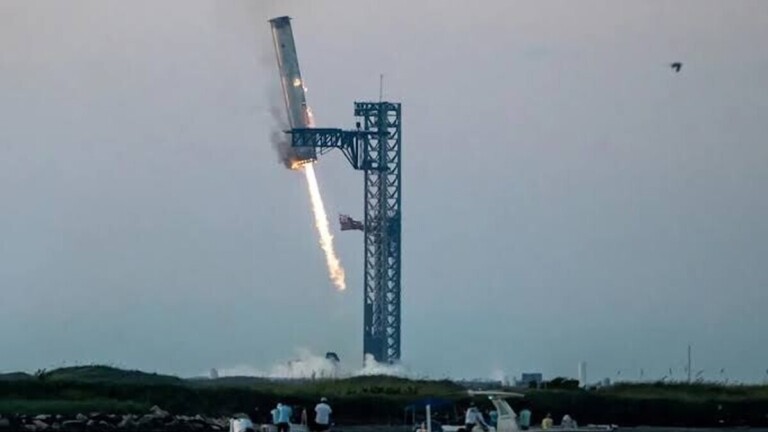
Rajeev Badyal, the program director, stated they are “a few weeks” away from the next launch on the Vulcan rocket, developed by United Launch Alliance. This launch will be followed by an Arianespace flight and at least one more Vulcan before year-end. Amazon has spread its launch contracts among four operators, but two have faced serious setbacks recently. The Vulcan rocket was grounded due to a defect in its nozzle, the component responsible for expelling propulsion gases, an issue Badyal says is now resolved. Blue Origin’s New Glenn rocket exploded on its launch pad last May.
The factory’s production director, Paul Palcisco, summarizes the incongruity: his goal is to “never have a rocket without satellites already ready,” but currently the opposite is happening. Satellites are accumulating on the ground due to insufficient available launchers.
This mismatch has direct regulatory consequences. Amazon was supposed to place 1,616 satellites in orbit by July 30, half of its initial constellation planned to reach 3,232 units. With 396 satellites in orbit, the company has not reached a quarter of this target. The U.S. telecommunications regulator has waived sanctions for this shortfall but revoked Amazon’s priority usage rights on Ka and Ku frequencies for satellites launched after this date: they must not interfere with Starlink signals, Elon Musk’s competing network. This priority could be reinstated as early as October 2027, provided Amazon demonstrates it has built the necessary equipment and secured launch slots.
The connection between the two companies goes beyond commercial competition. Rajeev Badyal was fired from SpaceX by Elon Musk eight years ago before leading Amazon’s satellite program.
Technically, Amazon claims superior performance to Starlink for its professional antenna, named Leo Ultra: 1 gigabit per second download and 400 megabits per second upload, compared to about 350 and 40 for its rival. For the general public, the company promises “by far the best value for money,” without specifying prices or a precise timeline. Chris Weber, head of commercial activity, confirmed that “the plan is to launch the initial service in 2026,” allowing time to position satellites already in orbit at their final altitude.
Europe is integrated into the launch system, with Ariane 6 among the selected rockets. France has also approved the service’s operation on its territory. Amazon is already working on a second generation of satellites and has filed a request with the U.S. regulator for a constellation intended to connect mobile phones directly, without an intermediate antenna.