

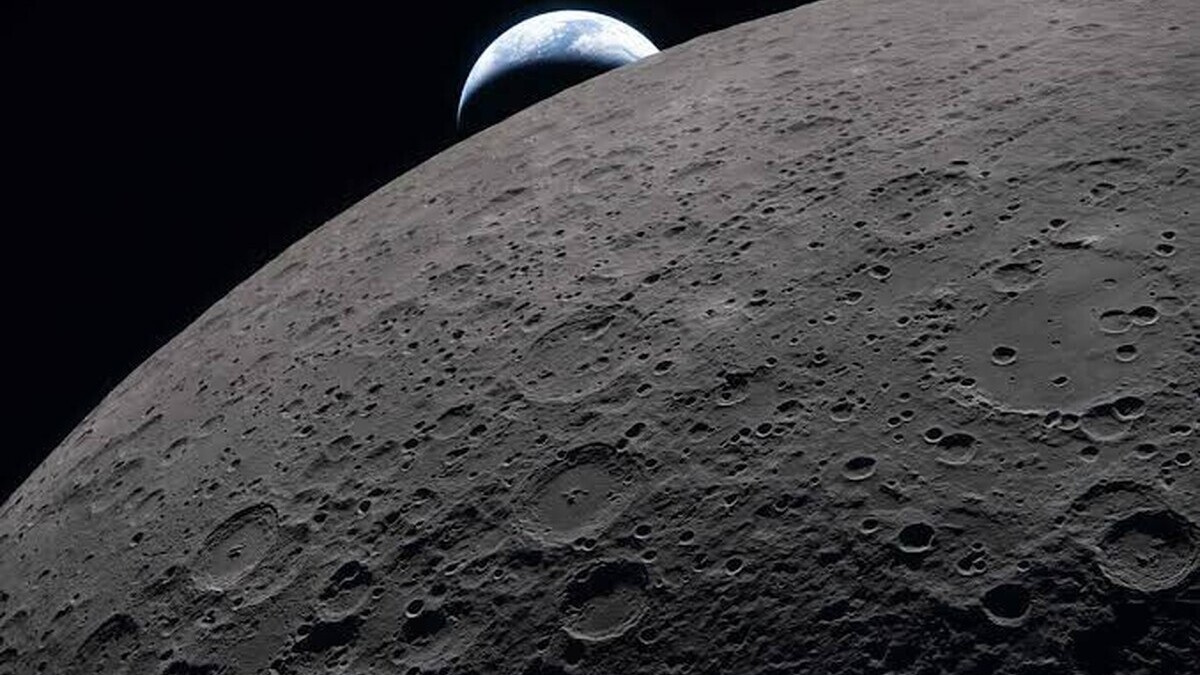
More than half a century after the first manned missions to the Moon, our natural satellite once again occupies a central place in international space ambitions. The United States, China, and several other powers are developing programs aimed at strengthening their presence in the lunar environment. This new dynamic is no longer based solely on the desire to achieve a technological feat. It is part of a strategy of scientific research, industrial development, and geopolitical assertion.
The Moon presents several interests for space agencies. Its exploration can improve knowledge about the history of the solar system and allow testing of equipment intended for future, more distant missions. The presence of water ice in certain polar regions also raises particular interest. This resource could, subject to suitable technologies, contribute to the supply of future installations and the production of fuels necessary for space travel.
A scientific competition with geopolitical consequences
The return to the Moon, however, raises questions of international cooperation. The different powers do not necessarily share the same priorities, timelines, or conceptions of the use of space resources. The development of permanent bases and infrastructures could increase tensions regarding access to certain zones particularly interesting from a scientific or operational standpoint.
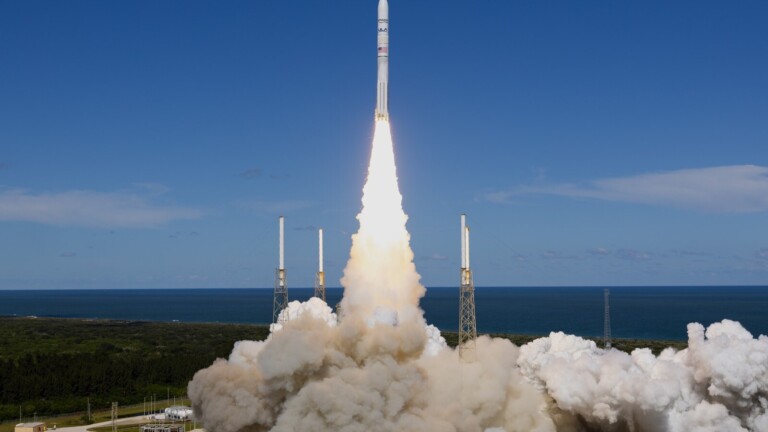
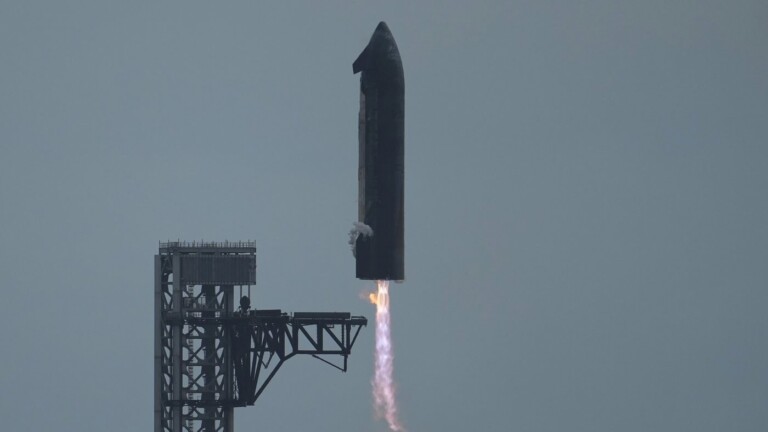
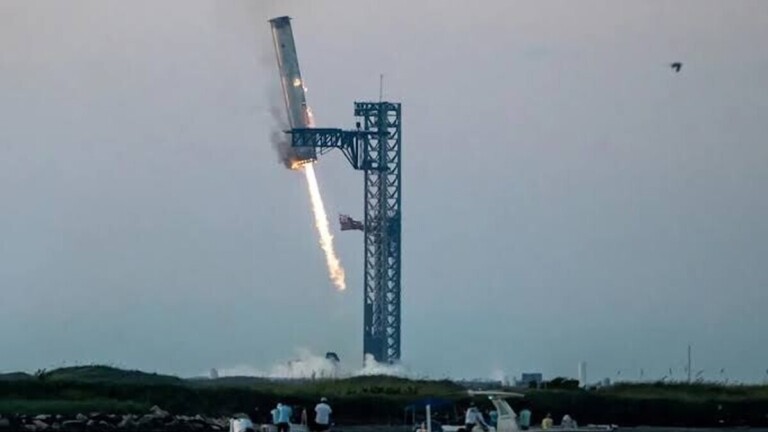
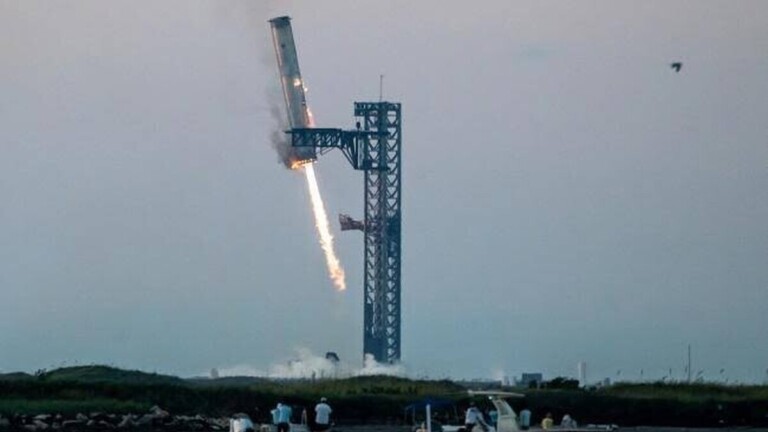
Costs represent another major challenge. Designing launchers, transporting equipment, ensuring crew safety, and maintaining facilities at great distances from Earth require considerable investments. The success of future programs will depend as much on technological reliability as on the continuity of public funding. Behind the spectacular images of lunar missions lies an industrial competition whose repercussions could far exceed the space domain.




Respond to the article
Be the first to comment on this article.