

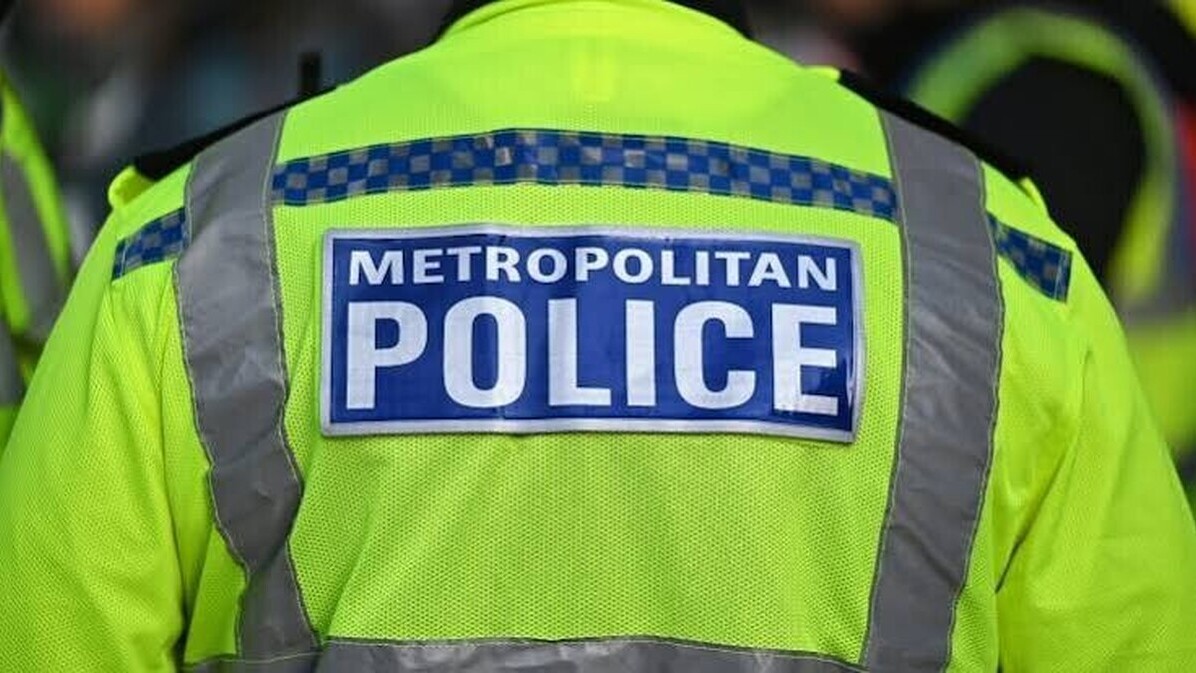
The head of Wales' largest police force admitted on Wednesday, November 18, 2026, that racist and misogynistic officers still worked within his organization. Questioned by British MPs, Jeremy Vaughan pledged to identify and remove these officers. Since he took office six years ago, 126 people have been dismissed from South Wales Police, while 22 officers are currently suspended.
Welsh police are facing renewed scrutiny over the behavior of some of their officers. On Wednesday, November 18, Jeremy Vaughan, chief superintendent of South Wales Police, publicly acknowledged that his organization still employs officers with racist or misogynistic attitudes. Questioned before the Welsh Affairs Committee in Westminster, the police chief did not attempt to downplay the problem. When asked if he believed he employed racist or misogynistic officers, he answered in the affirmative, before stating that his job was precisely to identify and remove them from the force. This statement comes during a hearing with the heads of Wales' four police forces, focused on the future of policing and how to restore public trust.
Jeremy Vaughan presented several figures to illustrate the disciplinary measures taken within his organization. Since he took over as Chief of Police of South Wales Police six years ago, 126 people have been dismissed. He noted that the number of dismissals was likely even higher under his predecessor. Currently, 22 officers are suspended, a figure he considers relatively low given the overall size of the force. He believes that strengthening recruitment procedures, background checks, and training has improved the professional culture. He also stressed the need for the entire hierarchy to be mobilized to identify discriminatory behavior and punish those responsible. The Chief of Police believes that officers are now more willing to report inappropriate behavior by their colleagues rather than remain silent.
The Sarah Everard case continues to weigh heavily on the British police
Members of Parliament questioned police officials about their ability to prevent violence, discrimination, and abuse of power within their forces. Ruth Jones, chair of the parliamentary committee and MP for Newport West and Islwyn, noted that British law enforcement was still operating in the wake of the Sarah Everard case. In March 2021, the 33-year-old Londoner was abducted, raped, and murdered by Wayne Couzens, a Metropolitan Police officer on duty at the time. This crime sent shockwaves through the UK and led to a profound reassessment of recruitment, monitoring, and disciplinary procedures for officers. The other Welsh police chiefs questioned also acknowledged the existence of disciplinary proceedings. Ifan Charles, head of Dyfed-Powys Police, indicated that several officers were currently under investigation for serious misconduct, some involving misogynistic behavior. In Gwent, Chief Constable Mark Hobrough reported 37 active disciplinary proceedings and 14 people suspended.
The hearing is also part of a broader debate on the future of policing in England and Wales. The British government is considering a significant reduction in the number of local forces, including through mergers to create larger structures. Wales currently has four police forces, but the possibility of a single organization, modeled on Scotland and Northern Ireland, has been raised. This prospect is dividing police leaders. Amanda Blakeman, head of North Wales Police, has expressed her opposition to centralization, which she believes could weaken community policing in rural and remote areas of the north. Jeremy Vaughan has been more open to reorganization, believing it could lead to efficiency gains, provided the necessary funding is available. No final decision has yet been made. Between territorial reform and the fight against discriminatory behavior, Welsh police forces must now meet a dual requirement: to improve their functioning while sustainably restoring citizens' trust.



Respond to the article
Be the first to comment on this article.