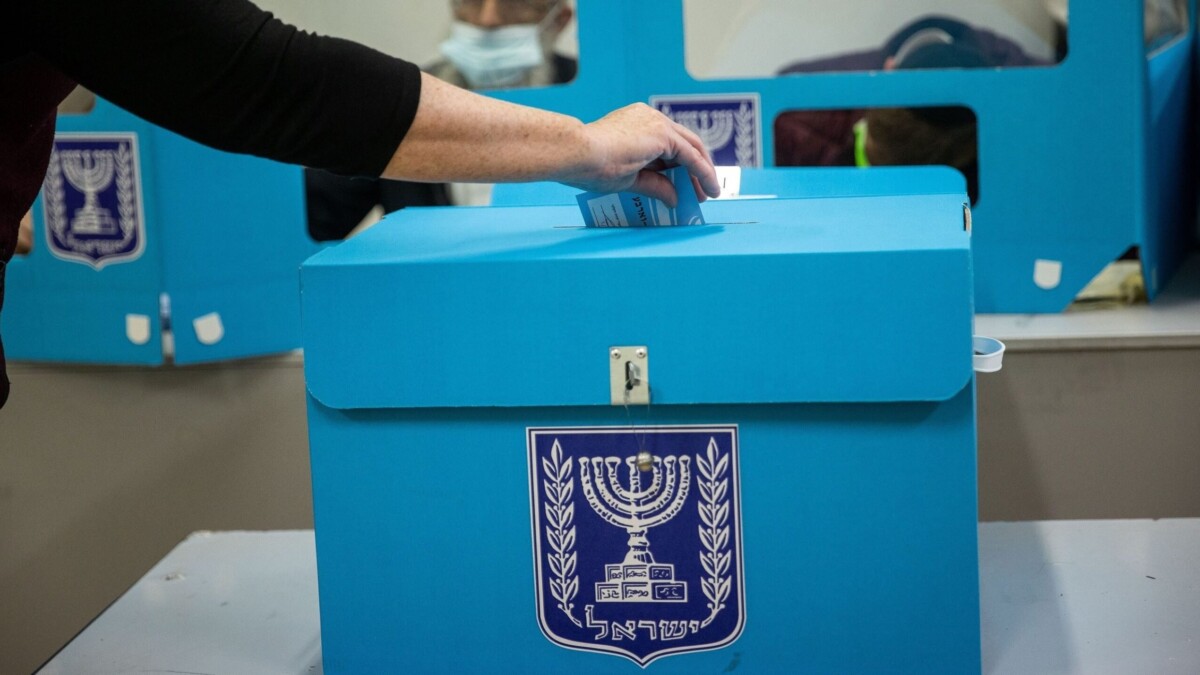
On October 27, 2026, Israelis will go to the polls for the first time since the attacks of October 7, 2023. The war in Gaza, which has caused over 74,000 Palestinian deaths, entirely shapes the campaign and accelerates an unprecedented shift toward the radical right in the country’s political history.
Benjamin Netanyahu has chosen his battleground. On September 29, the Israeli Prime Minister claimed, without providing evidence, that enemies of the State were preparing an attack before the October 27 election, immediately linking this to ongoing military operations in Gaza, where his forces reportedly killed more than a hundred “terrorists” in a few weeks. This shortcut between external threat, war, and electoral legitimacy is no accident: it forms the core of his re-election strategy.
Three years after October 7, 2023, which cost 1,139 lives in Israel and triggered a devastating military offensive on the Gaza Strip, the war has become inseparable from domestic political debate. It has also served as an accelerator for a profound ideological reshaping, bringing to the center of the political stage positions that, a decade ago, belonged to the extreme fringe of the spectrum.
Bezalel Smotrich, Finance Minister and figure of the radical right, sanctioned by several Western countries for his statements and policies deemed racist toward Palestinians, declared to the Israeli press at the end of September that the army should “do in the West Bank what we did in Gaza.” His electoral ally Moshe Feiglin went further, calling for the annexation of Gaza after the election and stating that “the enemy is Gaza, not Hamas,” adding that every child born there would replicate the acts of October 7.
For Palestinian political analyst Ahmed Najar, these statements are not isolated slips but a deliberate electoral message, aiming to present Palestinians “not as a people entitled to rights, but as a demographic and security problem to be expelled, conquered, or destroyed.” He warns that the election risks becoming “a competition not about protecting Palestinian life, but about who can promise to erase it most aggressively.”
Ahron Bregman, Israeli security analyst and researcher at King’s College London, situates this evolution in a long-term dynamic. “The trend toward the right began after the Yom Kippur War in 1973, but it has intensified dramatically since October 7,” he explains. The young Israeli generation, in particular, has shifted toward harder positions since the attacks. Since 2022, Netanyahu’s coalition, described as the most right-wing government in the country’s history, has helped legitimize figures like Itamar Ben-Gvir, Minister of National Security, previously convicted for incitement to racism and support for a terrorist organization, who now aims to become Minister of Defense. “It’s madness. But this is Israel today,” Bregman summarizes.
On the security issue, Netanyahu paradoxically remains in a position of strength despite accusations against him. Reports revealed that before October 7, 2023, he had received two separate warnings about an imminent Hamas attack, respectively from the head of Egyptian intelligence and the president of the United Arab Emirates. His main opponents seized on this to declare him “unfit” to lead the country. Netanyahu denies having been warned, and these revelations do not seem to have significantly affected his poll ratings.
Mairav Zonszein, analyst at the International Crisis Group based in Tel Aviv, explains this paradox: “Israelis still generally see Netanyahu as the man of security. And above all, they don’t really see an alternative.” A survey published in June by the Mitvim Institute confirms that the Israeli public supports the military solutions of its government and rejects any political resolution of the Palestinian issue, even though it worries about the country’s growing international isolation.
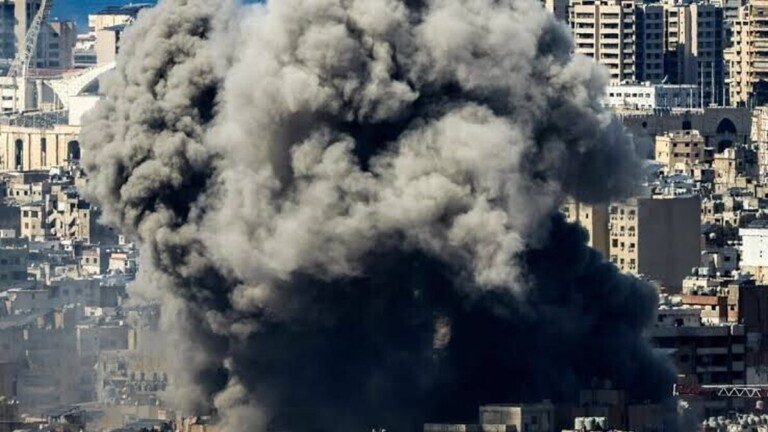
Netanyahu’s main rival, Gadi Eisenkot, former Chief of Staff and founder of the Yashar party, is far from representing a substantive break. Father of the so-called Dahiyeh doctrine, which advocates massive force, including against civilian infrastructure, as a deterrent, he criticized the Prime Minister for yielding to American pressure to slow operations in Beirut and advocates for total freedom of action against Hezbollah across Lebanese territory.
The two-state solution, cornerstone of the 1993 Oslo Accords, is absent from the campaign. Since the launch of this peace process, the number of Israeli settlers in the West Bank has risen from about 260,000 to over 700,000, making the establishment of a viable Palestinian state increasingly unlikely. “The concept of a two-state solution is currently irrelevant and will probably remain so for another decade or two, or even longer,” Bregman estimates. Zonszein agrees: “There is not a single Jewish Zionist party that places the necessity of a two-state solution or a Palestinian political process at the forefront.”
The October 27 election thus appears less as a moment of choice than as a confirmation of the turn taken since October 7, 2023: more military force, assumed territorial ambitions, and increased marginalization of any dissenting voice. A Palestinian candidate and Israeli citizen, Sami Abu Shehadeh, was forced to withdraw from the race due to his statements on the war in Gaza, while far-right leaders continue to make their remarks without apparent electoral consequences.