A bill examined this Monday at the National Assembly seeks to redefine the rules for using meal vouchers, balancing the interests of restaurant professionals and those of large retail chains.
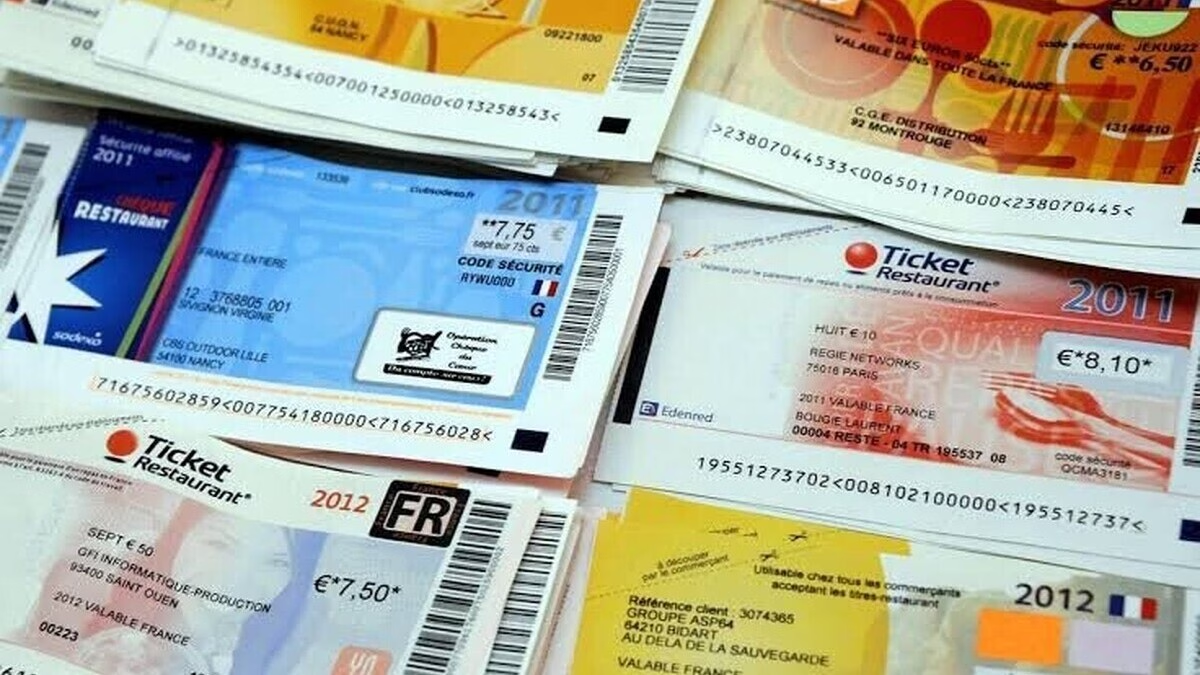
Since their creation in 1962 by entrepreneur Jacques Borel, meal vouchers have gradually exceeded their original purpose: to provide lunch for employees. Ticket Restaurant, Chèque Déjeuner, Pass Restaurant—these payment instruments now represent a significant economic stake, contested between two sectors with radically opposing interests. On one side, restaurateurs, who see them as a customer lever historically intended for them. On the other, large retail chains, which have managed to capture an increasing share of these financial flows since their use was extended to food purchases in supermarkets.
It is precisely this extension that crystallizes tensions. Authorized on a temporary basis, the possibility to use meal vouchers to purchase non-immediately consumable food products expires on December 31, 2026. The bill sponsored by Christophe Naegelen, deputy of Vosges and president of the Liot group, adopted in committee on October 7, aims to decide: to make this use permanent while reserving the majority of expenditures for the restaurant sector. The text could notably introduce a differentiation of spending ceilings depending on the type of establishment concerned.
Spending Ceilings, the Heart of the Debate
The question of the ceiling is at the core of parliamentary discussions. Setting a lower threshold for purchases in supermarkets would protect restaurateurs from competition deemed unfair, while preserving an advantage for employees who wish to keep the freedom to shop. Defenders of the status quo, notably on the retail side, argue that this flexibility represents a real purchasing power gain for workers, an argument all the more audible in a context of persistent household budget tensions. Restaurateurs, for their part, recall that the system was designed to support their sector, not to subsidize supermarket food aisles.
The debate opening in the Palais Bourbon chamber illustrates the difficulty of reconciling contradictory logics: a social tool designed for employees, a sectoral support instrument claimed by the restaurant industry, and a commercial windfall that large retail chains intend not to relinquish without resistance.