

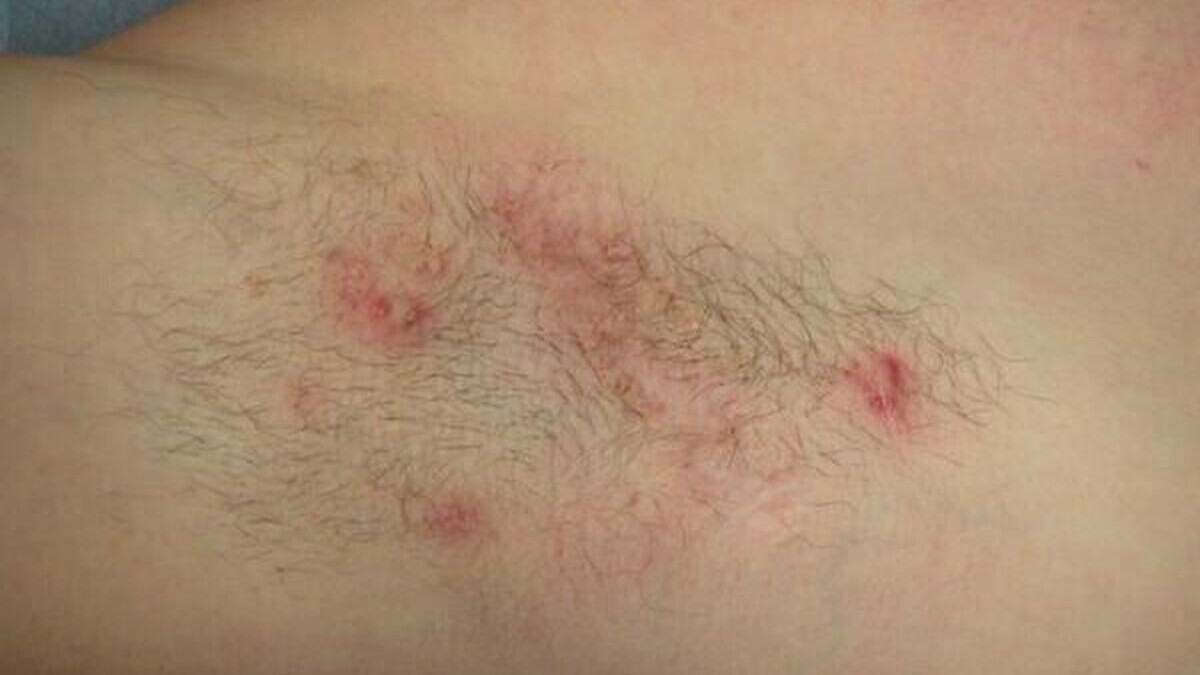
Painful lumps under the armpits, recurring abscesses in the groin, or lesions that leave scars: these symptoms can indicate hidradenitis suppurativa (HS), also known as Verneuil's disease. This chronic inflammatory skin condition is often diagnosed late. Yet it can cause significant pain and profoundly disrupt the daily lives of those affected.
Hidradenitis suppurativa (HS), also known as Verneuil's disease, is a chronic inflammatory condition that primarily affects areas of the body where the skin folds, including the armpits, groin, buttocks, and under the breasts. Contrary to popular belief, it is not caused by poor hygiene and is not contagious. Its mechanism involves blockage and inflammation of the hair follicles, which can lead to the formation of deep nodules and abscesses. The disease often appears after puberty and is more common in women. Smoking, obesity, and certain family history factors can contribute to its development or worsen its progression, but they do not explain all cases.
Abscesses that recur for years
The first signs usually appear as deep, red, and particularly painful nodules, sometimes mistaken for simple boils. These lesions can increase in size, form abscesses, and eventually rupture spontaneously, releasing purulent fluid. Some disappear after several days, but others recur regularly in the same spot. In more advanced cases, inflammatory pathways under the skin, called tunnels or fistulas, can connect several lesions. Thick scars and lasting skin changes can then develop, especially in areas prone to friction.
Diagnosis is based primarily on clinical examination and the recurrent nature of lesions in characteristic locations. There is no specific blood test to confirm hidradenitis suppurativa (HS). The recurrence of abscesses over several months or years is often a key indicator. However, some patients consult several specialists before receiving a diagnosis, particularly when the lesions are mistaken for isolated skin infections. Beyond the physical manifestations, the disease can cause significant discomfort in mobility, intimate relationships, and professional life. Pain, discharge, and the fear of new flare-ups can also have a considerable psychological impact.
Treatments depend on the severity of the injuries.
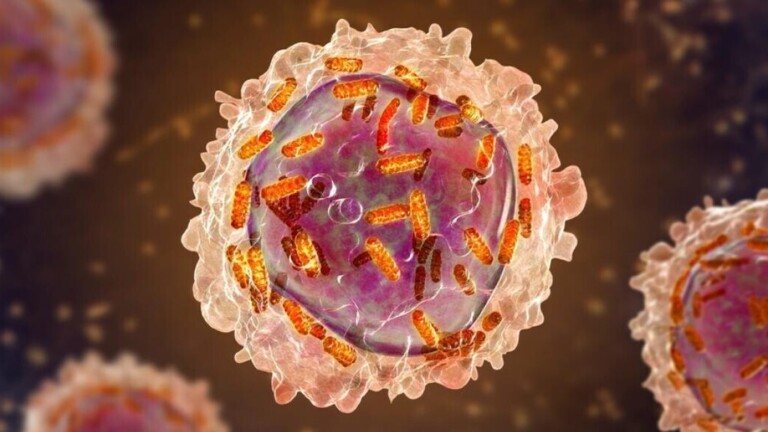
Treatment aims to reduce inflammation, limit recurrences, and prevent the formation of new scars. In mild cases, topical treatments and measures to reduce irritation may be offered. Oral antibiotics are sometimes used for their antibacterial and anti-inflammatory effects. When the disease is more extensive, biologic therapies targeting specific immune mechanisms, such as adalimumab or secukinumab in selected patients, may be considered. The choice depends on the severity of the lesions, treatments already tried, and any contraindications.
Surgery also plays a significant role, particularly when inflammatory tunnels or chronic lesions persist despite medication. Some procedures allow for the removal of affected tissue to reduce recurrences in a given area. Smoking cessation and weight management, when relevant, can help improve the outcome, but do not replace medical treatments. The disease often requires long-term dermatological follow-up, as it progresses in flare-ups and can affect multiple areas of the body over the years.
A single abscess does not necessarily mean that a person has hidradenitis suppurativa (HS). However, painful nodules that regularly reappear under the armpits, in the groin, or on the buttocks should prompt a consultation with a dermatologist. Early diagnosis helps limit chronic lesions and scarring, and also allows for appropriate treatment before the disease becomes too debilitating. This condition serves as a reminder that some skin diseases go far beyond cosmetic concerns and can constitute genuine chronic inflammatory illnesses.








Respond to the article
Be the first to comment on this article.