

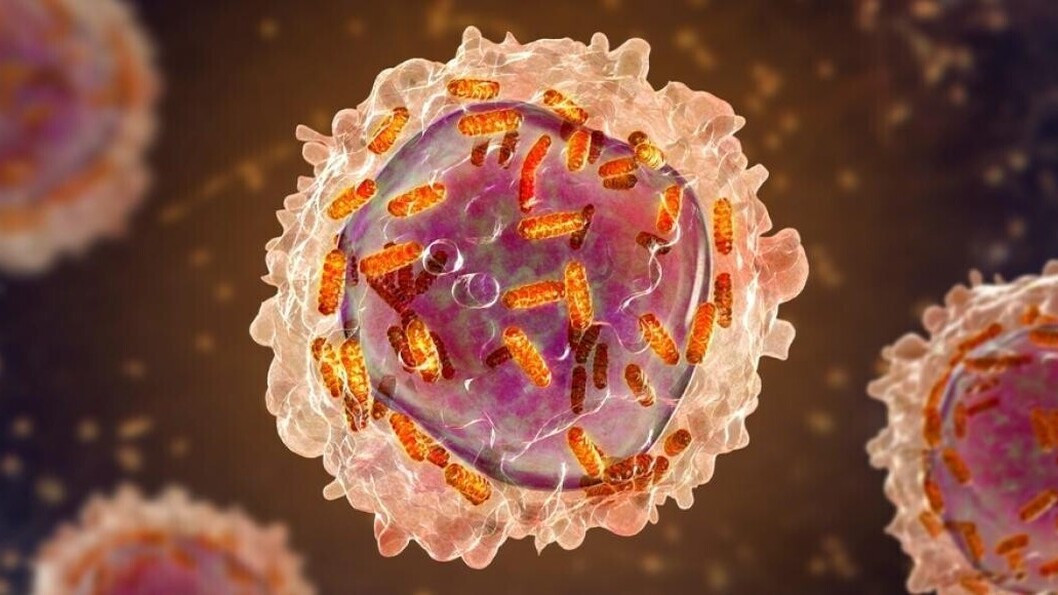
A large scientific study published on November 20, 2026, in the journal *Nature Communications* highlights four metabolic profiles associated with different cancer trajectories. By analyzing data from 405,023 participants, researchers identified several groups of endocrine, nutritional, and metabolic disorders linked to the onset and progression of certain cancers. These findings could contribute to improving risk assessment and personalized prevention strategies.
Researchers used data from the UK Biobank, a large British cohort that tracks the health of hundreds of thousands of volunteers over several years. Their analysis focused on 25 endocrine, nutritional, and metabolic diseases to determine their associations with the onset of a first cancer, the development of multiple primary cancers, and mortality. Of the 405,023 participants studied, 54,1% were women, and the average age was 56,4 years. The scientists used several statistical methods to examine the relationships between these conditions and the different stages of cancer progression.
During the follow-up period, 60,909 participants, or approximately 15% of the cohort, developed a first cancer. Of these, 5,632 subsequently developed multiple distinct primary cancers. The study shows that the associations between metabolic disorders and cancers vary depending on the disease and the organs involved. These results confirm the value of an approach that does not consider metabolic imbalances as a uniform set, but rather seeks to identify specific patterns that may be linked to different risks.
Four distinct metabolic profiles
Scientists have identified four main profiles. The first, designated C1, is primarily characterized by iron metabolism disorders and iron deficiencies. The second, C2, is dominated by type 2 diabetes. The third, C3, mainly encompasses abnormalities in lipid and lipoprotein metabolism. Finally, the fourth, C4, is associated with a predominance of osteoporosis. These categories were established based on observed associations between several metabolic diseases, and not on a simple blood test that automatically classifies each individual.
The analysis reveals that these different profiles do not show the same associations with the occurrence and progression of cancers. Some disorders may be more strongly linked to specific cancer locations, while others appear to be associated with more complex trajectories. The researchers also studied the possible interactions between several metabolic diseases present in the same individual. This approach helps to better understand why people with seemingly comparable health problems can experience different outcomes.
Towards more personalized cancer prevention?
To further explore their findings, the scientists studied the proteins and metabolites present in the body. Their goal was to identify biological mechanisms that might contribute to the observed associations between metabolic disorders and cancer. They also developed a predictive model using deep learning and several categories of medical data. This method aims to improve risk assessment by taking into account the complexity of biological interactions, rather than relying solely on a few isolated factors.
These results should, however, be interpreted with caution. A statistical association between a metabolic disorder and cancer does not necessarily demonstrate a direct cause-and-effect relationship. Furthermore, the identified profiles do not constitute cancer diagnoses or screening tools immediately usable in consultations. Further research will be needed to confirm their relevance in other populations and determine their clinical value. Nevertheless, the study opens up avenues for preventive medicine better tailored to the metabolic characteristics of each patient.






Respond to the article
Be the first to comment on this article.