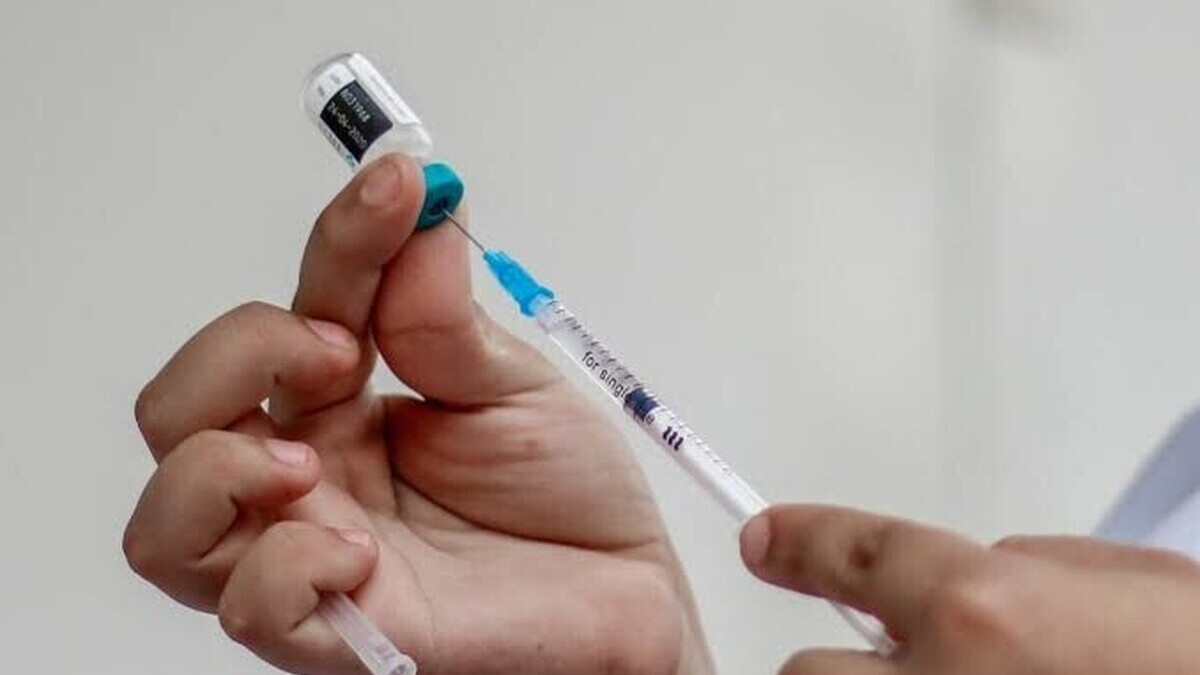
A new milestone has been reached in the fight against cancer. A personalized vaccine developed by Moderna and MSD has reduced the risk of recurrence or death by 42% in patients with melanoma, a serious form of skin cancer. The results of an international clinical trial involving 1,137 people, released on Thursday, October 22, 2026, open up significant possibilities for personalized medicine. This experimental treatment uses messenger RNA (mRNA) technology, already employed in some Covid-19 vaccines.
This is a particularly encouraging development for melanoma patients. According to the results of the phase 3 clinical trial INTerpath-001, combining a personalized vaccine with standard immunotherapy significantly reduces the risk of the disease recurring after surgery. The study involved 1,137 adults whose tumors had been removed but who still faced a high risk of recurrence. All participants received pembrolizumab, marketed as Keytruda, a drug that helps the immune system recognize and fight cancer cells. Approximately two-thirds of the patients also received the experimental vaccine Intismeran, while the others received a placebo. After two years of follow-up, 82,2% of patients treated with this new combination had experienced neither recurrence nor death, compared to 70% in the group receiving immunotherapy alone. Researchers also observed a 38% reduction in the risk of distant metastases or death.
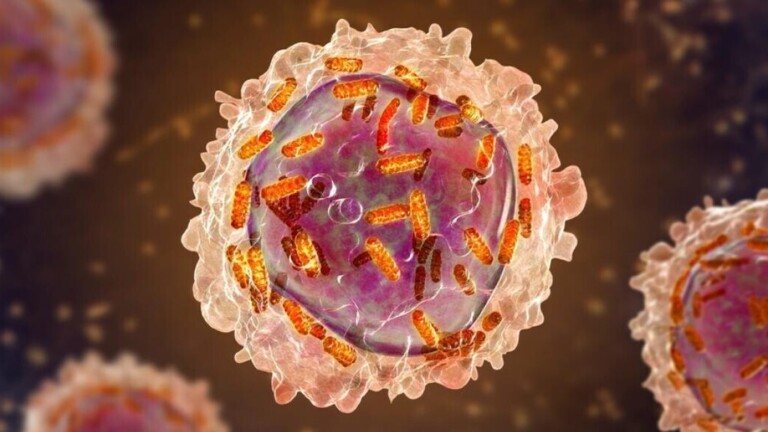
The unique aspect of this treatment lies in its personalized design. Unlike traditional vaccines, which are identical for everyone vaccinated, Intismeran is specifically designed for each patient based on the genetic characteristics of their individual tumor. After surgery, scientists analyze the cancer cells to identify mutations that can be recognized by the immune system. They then create a vaccine using messenger RNA (mRNA) to teach the body to detect these characteristics and react if cancer cells reappear. The goal is therefore not to prevent the initial onset of cancer in a healthy person, but to limit the risk of recurrence in patients who have already received treatment. This technology could permanently change the management of certain types of cancer by offering treatments tailored to the specific biological characteristics of each patient.
A promising technology that still needs to confirm its results
Among the participants is Tony Chapman, a 75-year-old Briton from Corby in central England . Diagnosed with melanoma in 2019, he underwent initial surgery before discovering that his cancer had spread to his lymph nodes. After a second operation, he agreed to participate in the clinical trial, which is being conducted at Addenbrooke's Hospital in Cambridge, among other facilities. Like the other participants, he still doesn't know whether he received the experimental vaccine or a placebo, as the study was conducted double-blind. Three years after his enrollment, his latest examinations show no signs of cancer. His case illustrates the hope generated by this research, without allowing us to determine whether his favorable outcome is directly linked to the vaccine. Professor Pippa Corrie, an oncologist who participated in the study, considers these results to be important evidence of the potential of personalized medicine. Independent specialists nevertheless emphasize that further observations are needed to determine whether this treatment actually increases patients' life expectancy.
The detailed results are to be presented on Saturday, October 24, at the European Society for Medical Oncology (ESMO) congress in Madrid . They have also been accepted for publication in The New England Journal of Medicine . Moderna and MSD have begun discussions with health authorities regarding a potential application for authorization, which could come as early as 2027. Several obstacles remain, however, before large-scale use. Each vaccine requires specific genetic analysis and individual manufacturing, which could lead to high costs and significant production delays. Researchers must also determine whether the observed benefits are sustained over several years and whether this strategy works against other cancers. Trials are already underway, notably for lung, kidney, and bladder cancers. For now, Intismeran remains an experimental treatment reserved for clinical trials. But this study provides a major result: it becomes possible to mobilize a patient's immune defenses against the specific characteristics of their tumor, with a significant reduction in the risk of recurrence in certain forms of melanoma.